BACnet controllers, relay switches and valves for control where it is enabled
A BACnet controller is a building field device that reads equipment such as RTUs, AHUs and chillers and drives setpoints, stages, dampers and drives. Aqueduct controls equipment two ways: LoRaWAN relay switches and valves for simple loads, and a field device network controller speaking BACnet or Modbus for complex equipment, only where control is enabled, with owner approval.
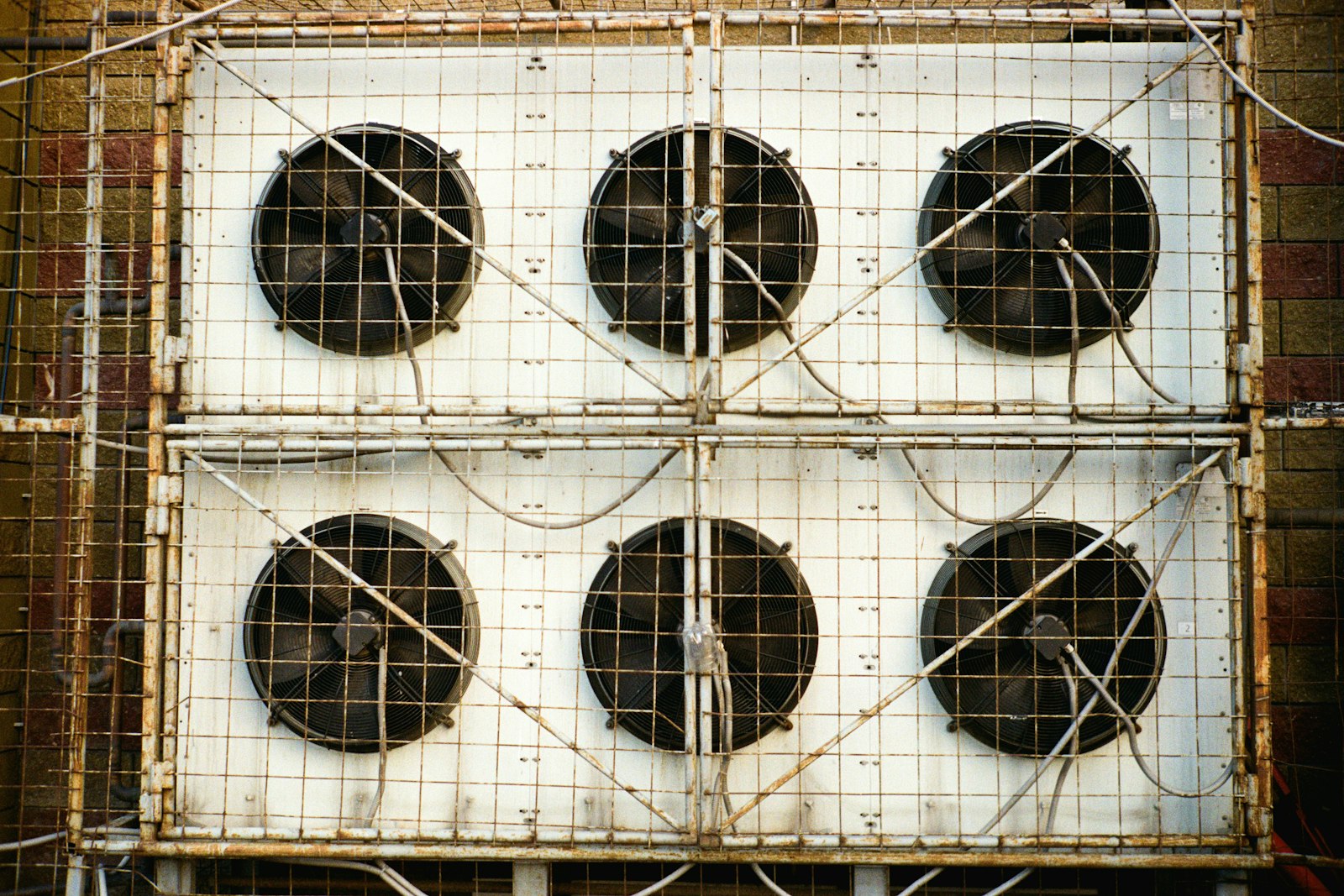
Act on equipment safely, with owner approval, and prove every command executed.
Simple loads by relay, complex equipment by field controller
- Relay switches
LoRaWAN relays switch fans and other simple loads on or off, like a sensor that can act.
- Water valves
LoRaWAN valves open, close or partially open a supply where control is enabled.
- Field device controller
BACnet or Modbus reaches RTUs, AHUs, chillers and VAV boxes through one network controller.

Rooftop units shown as components, not raw points
- Component states
Dampers, cooling, heating and fans are shown as live states on the RTU digital twin.
- Control clusters
An RTU and nearby sensors are grouped so sensor data can inform how the unit behaves.
- Quality KPIs
Setpoint attainment, comfort compliance and sequence exceptions show how well control is working.
Owner approval, lockouts and a full command record
- Owner approval
Control is enabled per site and device only with the owner's approval, and everything else stays read-only.
- Lockout warnings
New commands wait while one is being acted on, which protects equipment from short cycling.
- Command history
Each command and its execution status is recorded, ready for audit and verification.
Equipment control, before and after Aqueduct
- Setpoints drift and nobody knows who changed them.
- Fans run all weekend because a schedule was never set.
- Each controller brand needs its own software and login.
- Commands are sent with no proof they executed.
- Savings from control changes are estimated, not measured.
 The Aqueduct way
- Every command is logged with who sent it and when.
- Occupancy and schedules drive equipment where control is enabled.
- BACnet and Modbus equipment connects through one field controller.
- Command history confirms each command ran on the device.
- Savings are measured against a weather-normalized baseline.
Controllers and actuators, points and protocols
From the controls section of the hardware catalogue.
| Device type | Data points | Control points | Protocols |
|---|---|---|---|
| HVAC controller for RTUs, AHUs, chillers, boilers and evaporators | Temperature, humidity, airflow, static pressure, differential pressure, CO2, fan status, safety status | Variable frequency drives, condensers, heating stages, heating and cooling valves, ventilation and return dampers, humidification and dehumidification | BACnet, Modbus, LonWorks, KNX, M-Bus, GPIO, analog IO to the equipment. LoRaWAN for low bandwidth, MQTT over Ethernet or Wi-Fi for high bandwidth to the cloud |
| Relay switch | On or off state | On or off for fans and other simple loads | LoRaWAN |
| Water valve | Valve setting | Open, closed or partially open | LoRaWAN |
How a command reaches equipment
Owner enables control
Control is switched on per device and per site only with the owner's approval. Everything else stays read-only.
Command is issued
A schedule, an automation rule or an operator sends a setpoint or state change from Aqueduct.
Field device acts
A relay or valve switches over LoRaWAN, or the field device network controller writes the point over BACnet or Modbus.
Lockout protects
Lockout warnings block new commands while one is still being acted on, which prevents short cycling.
History confirms
The device reports its state back, and command history records whether the command actually executed.
What BMS controllers do
Field, supervisory and programmable logic controllers are the control layer between equipment and software.
Temperature and schedules
Hold setpoints and run occupancy schedules for zones and equipment.
Alarms and trends
Handle alarms and log trends that feed fault detection.
Energy optimization
Run sequences such as demand controlled ventilation where Aqueduct control is enabled.
Integration
Connect equipment to central software over open protocols, so existing BMS investments stay in play.
Control earns trust when every command is approved, protected and recorded.
Talk to our teamProtocols it speaks
An industrial controller or LoRaWAN I/O device, chosen per site, that speaks these protocols.
Features this hardware powers
Where it fits
- BMS
- BAS
- EMS
- Existing BMS controllers over BACnet or Modbus
- CMMS
- SCADA (control stays with SCADA)
Keep your BMS, replace it, or build Aqueduct in. Control runs only where it is enabled, with owner approval, and every command is logged.
Where teams put it to work

Rooftop units run to occupancy, not to habit
Occupancy from sensors or schedules drives RTU modes where control is enabled, and command history shows every change.
Learn more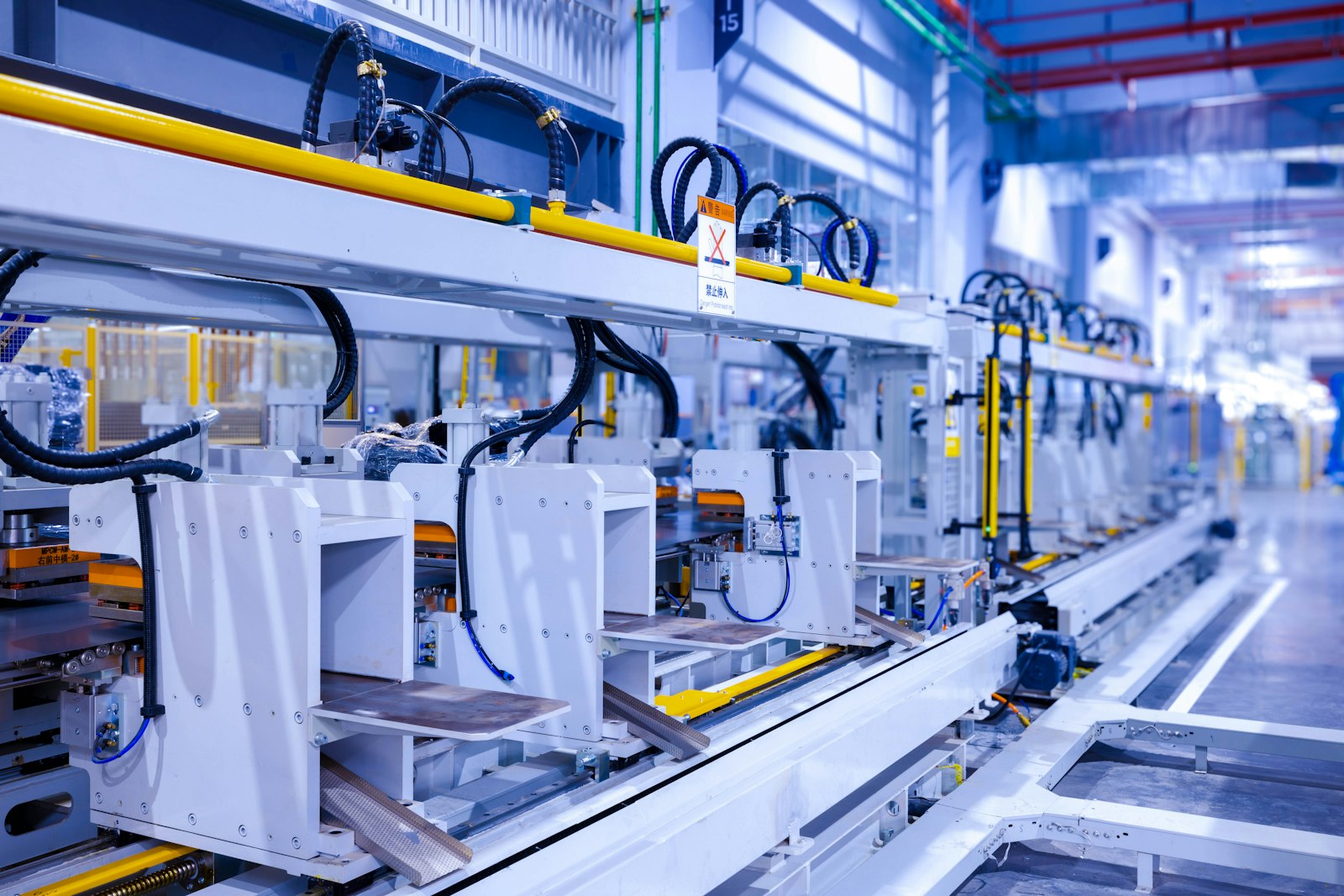
Exhaust fans switched by relay when air demands it
LoRaWAN relays switch exhaust fans when air quality readings call for it, where control is enabled and approved by the owner.
Learn more
Cooling equipment read and tuned over BACnet
A field device network controller connects chillers and air handlers, so faults are diagnosed and fixes are confirmed at the meter.
Learn moreDevice agnostic, with leading manufacturers.
Exact make and model are selected per site. These are some of the manufacturers and standards Aqueduct works with.





sites in 21 countries run on Aqueduct.
and 9 clinics in one of India’s top hospital chains.
US airport running water intelligence on Aqueduct.
of commercial real estate under Aqueduct.
FMCG manufacturing campus.
operations run on Aqueduct.


Related
Common questions
A BACnet controller is a building field device that reads equipment sensors and drives outputs such as fans, valves, dampers and stages using the BACnet protocol. Aqueduct connects to BACnet equipment through a field device network controller.
Two ways. LoRaWAN relay switches handle simple on and off loads, and a field device network controller speaks BACnet or Modbus to complex equipment such as RTUs, AHUs, chillers and VAV boxes. Control runs only where it is enabled, with owner approval.
Yes. Aqueduct reads and, where control is enabled, writes to existing controllers over BACnet or Modbus. You can keep your BMS, replace it, or build Aqueduct in at design stage.
It is the device that lets Aqueduct speak BACnet or Modbus to real equipment and pass telemetry and commands to the cloud over MQTT. It is the path for complex equipment with multiple components.
Lockout warnings block new commands while an existing command is still being acted on. This protects compressors and other equipment from rapid on and off cycling.
Yes. Field devices report state back and command history records each command and whether it executed on the device, which matters for audits and measurement and verification.
Yes, with a LoRaWAN water valve that can be set open, closed or partially open, only where control is enabled and the owner has approved it.
See Aqueduct on your own facility.
Bring a site, a utility bill or a question. We will show you where the loss is.