LoRaWAN gateway and IP gateway that carry every reading securely to the cloud
A LoRaWAN gateway receives radio messages from long-range wireless sensors and forwards them securely to the cloud. Aqueduct uses two gateway types: a LoRaWAN gateway with Ethernet, Wi-Fi or LTE backhaul, and an IP gateway that collects Ethernet and Wi-Fi devices and forwards them over its own LTE connection. Links are encrypted and mutually authenticated.
Every device, wired or wireless, reaches the cloud through one encrypted, authenticated path.
Long-range coverage for battery sensors across a campus
- Long range, low power
LoRaWAN carries small readings over long distances, so batteries last and cabling stays minimal.
- Flexible backhaul
Each gateway connects over Ethernet, Wi-Fi or an integrated LTE modem, chosen for the site.
- Wide device mix
Meters, air sensors, trackers, relays and valves all share the same gateway.
Wired and Wi-Fi devices with their own cellular path
- Local collection
Ethernet and Wi-Fi devices report to the IP gateway on the local network.
- Independent backhaul
An integrated LTE connection forwards data without depending on the customer network.
- Policy friendly
IT teams keep sensor traffic separate from corporate systems where they need to.
Encryption and mutual authentication at every hop
- Two layers encrypted
Traffic is encrypted at the link layer and again at the network layer.
- Identity verified
Endpoints authenticate each other before data moves, so only known devices can send readings to the cloud.
- Health visible
Connection rate per device shows which radio or network links need attention before data goes missing.
Site connectivity, before and after Aqueduct
- Every sensor vendor installs its own gateway and cloud.
- Sensor traffic competes with corporate IT on one network.
- Running cable to every meter stalls the project.
- Nobody knows a gateway dropped until data is missing.
- Security reviews stall on unknown device connections.
 The Aqueduct way
- One gateway layer serves every device brand on site.
- LTE backhaul keeps sensor traffic off the customer network.
- LoRaWAN reaches meters across a campus without new cable.
- Connection rate per device shows weak links early.
- Encrypted, mutually authenticated links answer security reviews.
Two gateways, one secure path
| Device type | Collects | Backhaul to the cloud |
|---|---|---|
| LoRaWAN gateway | Long-range, low-power LoRaWAN sensors, meters, trackers, relays and valves | Ethernet, Wi-Fi or integrated LTE cellular modem |
| IP gateway | IP-based sensors and devices on a local Ethernet or Wi-Fi network | Integrated LTE cellular connection |
Security built into every link
Link layer encryption
Radio and local links are encrypted between device and gateway.
Network layer encryption
Traffic from gateway to cloud is encrypted again at the network layer.
Mutual authentication
Communicating endpoints authenticate each other, protecting data integrity and device identity.
Choosing the right gateway
Mostly battery sensors
A LoRaWAN gateway covers a building or campus. Battery sensors typically send every 5 to 60 minutes.
Wired and Wi-Fi devices
An IP gateway collects them on the local network and forwards over its own LTE link.
Independent of the customer network
LTE backhaul keeps sensor traffic off the customer's IT network where that is the better choice for reliability or policy.
Radio survey first
A wireless survey shows where gateways go so every sensor has a reliable path.
Connectivity should be the quiet part of a building, secure and always on.
Talk to our teamProtocols and connectivity
A LoRaWAN gateway with LTE or Ethernet backhaul, chosen per site.
Related hardware
Controllers and actuators
Field device network controllers for BACnet and Modbus equipment.
Learn moreWhere teams put it to work
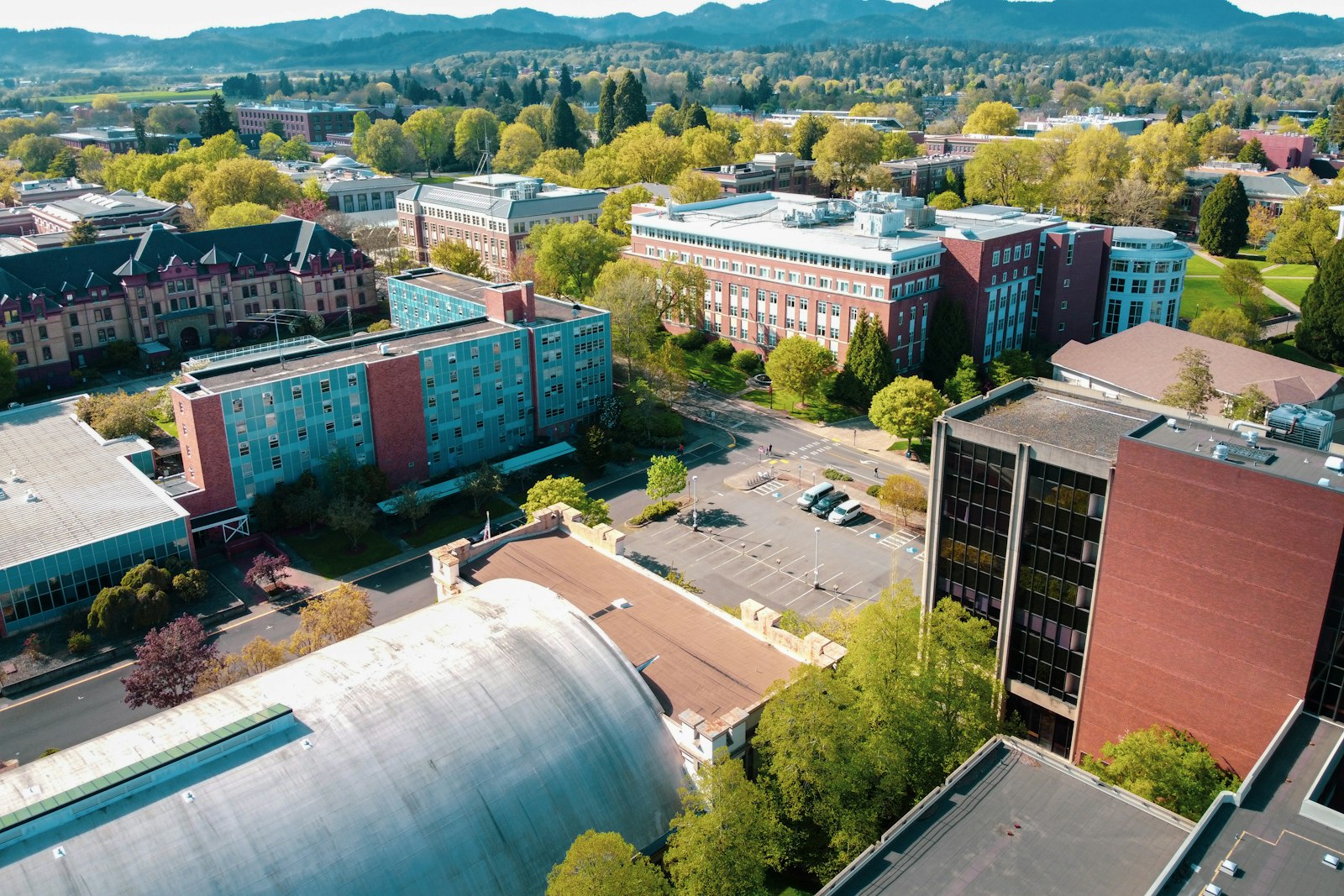
Cover a whole campus from a few gateways
LoRaWAN gateways reach meters and sensors across buildings, plant rooms and grounds without running new cable to each device.
Learn more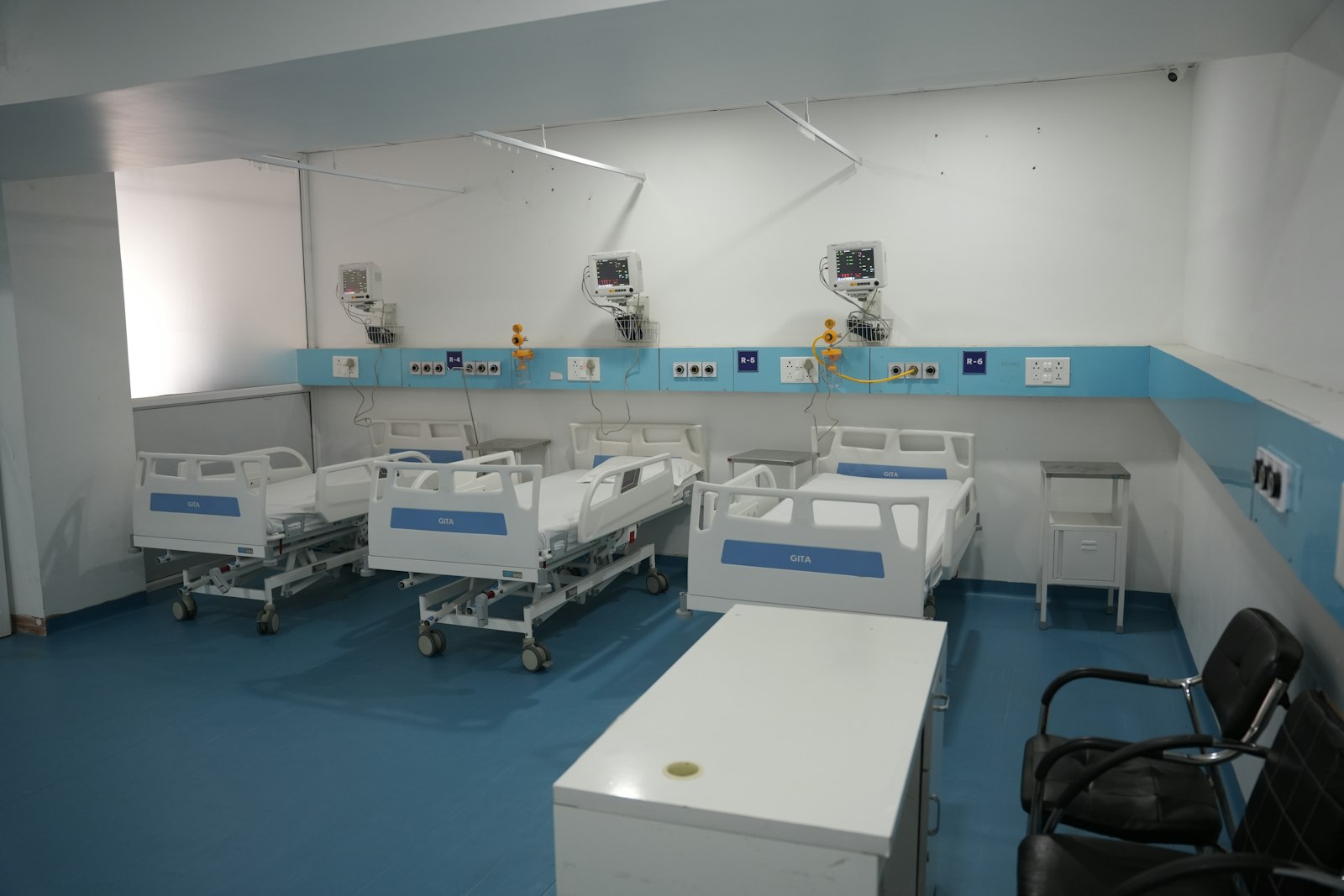
Keep sensor traffic off clinical networks
An IP gateway with LTE backhaul forwards device data without touching the hospital network, which simplifies IT approval.
Learn more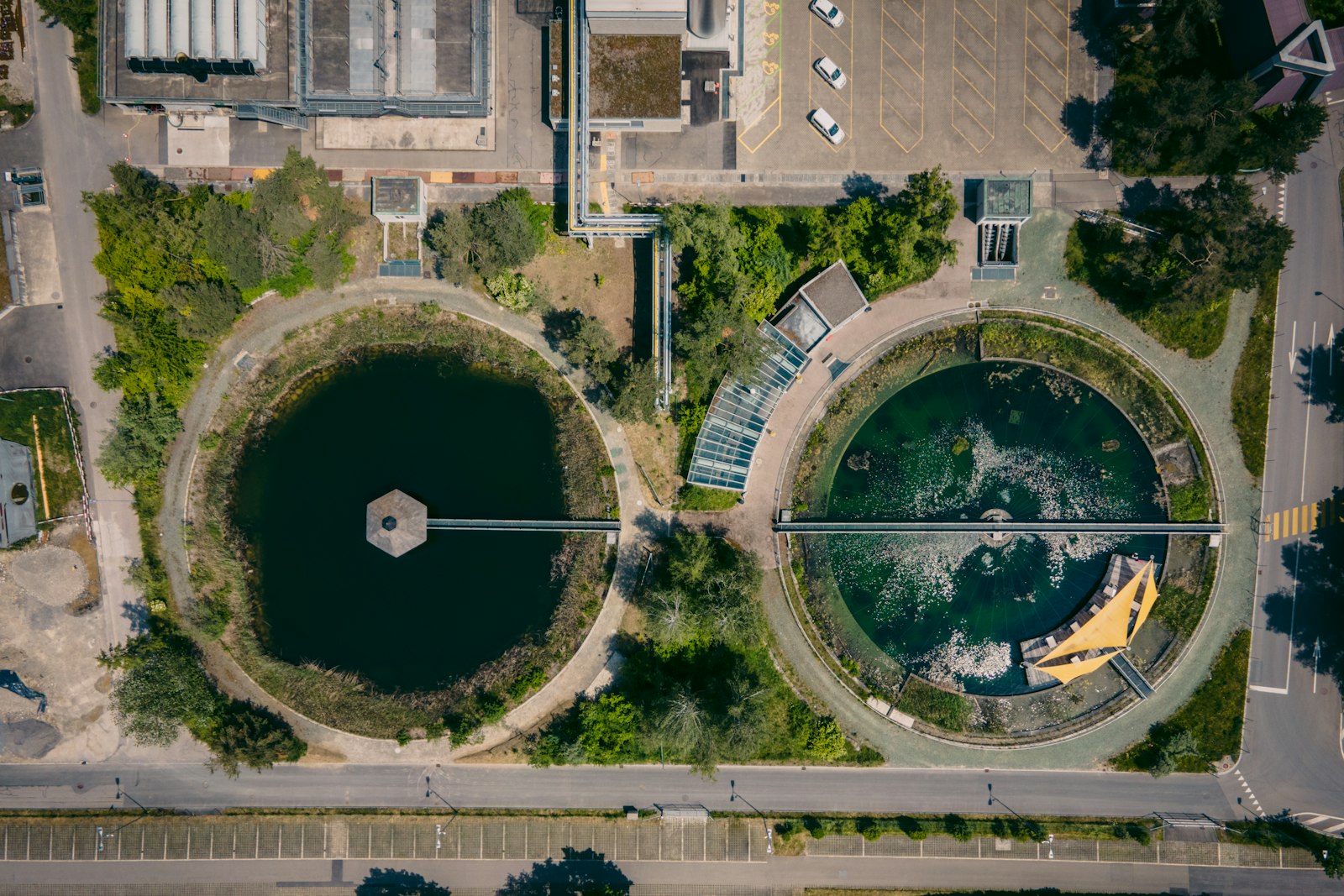
Reach meters in remote corners of a site
Long-range LoRaWAN covers pump houses, tank farms and outbuildings across a large site, where running wired connections to each meter is impractical.
Learn moreDevice agnostic, with leading manufacturers.
Exact make and model are selected per site. These are some of the manufacturers and standards Aqueduct works with.





sites in 21 countries run on Aqueduct.
and 9 clinics in one of India’s top hospital chains.
US airport running water intelligence on Aqueduct.
of commercial real estate under Aqueduct.
FMCG manufacturing campus.
operations run on Aqueduct.


Related
Common questions
A LoRaWAN gateway receives radio messages from LoRaWAN sensors and forwards them securely to the cloud over Ethernet, Wi-Fi or LTE. One gateway can cover sensors spread across a building or campus.
A LoRaWAN gateway collects long-range wireless sensors. An IP gateway collects Ethernet and Wi-Fi devices on a local network and forwards their data to the cloud over its own LTE connection.
They can use Ethernet or Wi-Fi, or run on an integrated LTE connection that keeps sensor traffic independent of the customer network. The choice is made per site.
Communications are encrypted at both the link and network layers, and communicating endpoints use mutual authentication to protect data integrity and device identity.
Most LoRaWAN sensors are battery operated and send every 5 to 60 minutes, depending on the device and settings. Aqueduct twins refresh as telemetry arrives.
It depends on building construction, size and sensor spread. A wireless survey before installation sets gateway placement so every sensor has a reliable path.
Connectivity is planned per country. Where global SIM connectivity is not available, a local provider is used, and LoRaWAN or wired backhaul can carry the data.
See Aqueduct on your own facility.
Bring a site, a utility bill or a question. We will show you where the loss is.