Faults fixed, failures prevented.
Faults that happen are found, diagnosed and routed with a recommended fix. Early signs of failure schedule the maintenance before the breakdown. The meter confirms the fix held.

Faults fixed, failures prevented, and every repair confirmed by the equipment itself.
Faults found, diagnosed and routed with a fix
- Component level
Each unit is shown as its components, so a stopped fan or stuck damper is named directly.
- Plain-language diagnosis
The likely root cause, the affected zones and the evidence come with every finding.
- Verified repair
Airflow, temperature and energy confirm the fault cleared after the technician leaves.
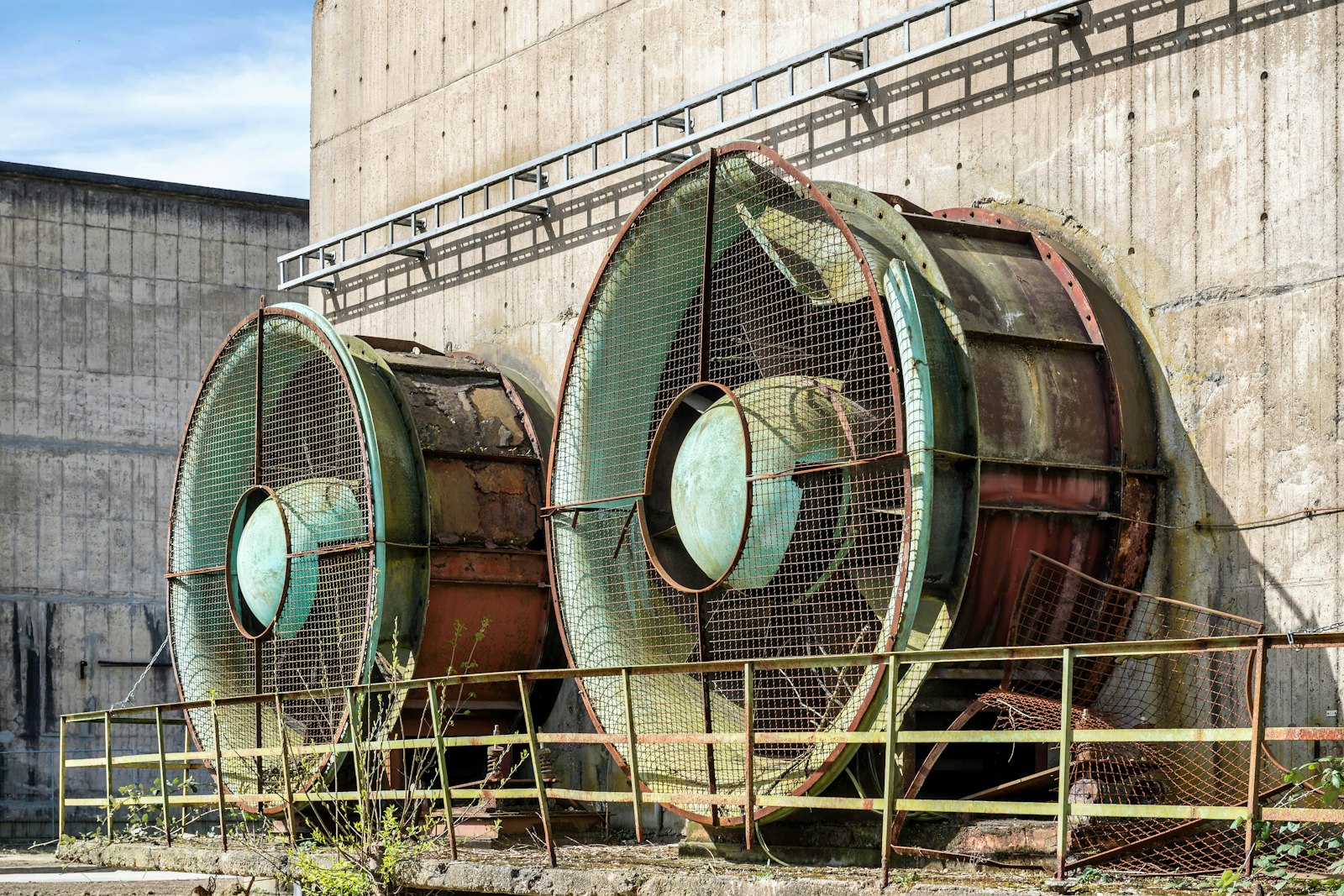
Early signs of failure schedule the work first
- Vibration and sound
Rising vibration and a new sound signature are flagged against each asset's healthy baseline.
- Energy drift
More power for the same work is flagged, so wear shows up before the asset stops.
- Planned windows
Maintenance tickets land in your CMMS with evidence, timed for a low-load window.
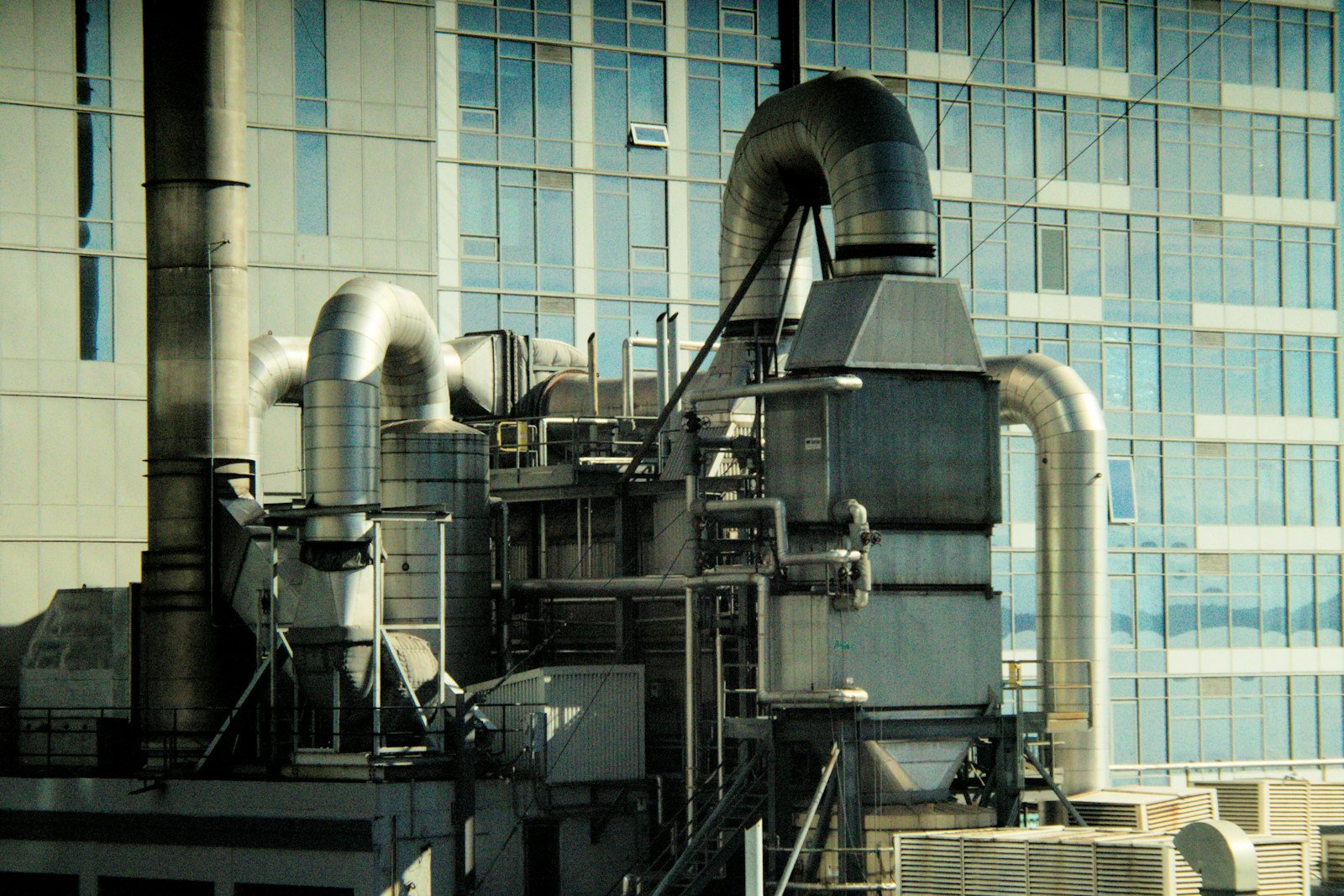
Plain-language answers and control you can audit
- aQ Assistant
Ask which assets changed and get the trend, the comparison and a warning when data is thin.
- Device health
Connection rate and battery per sensor tell teams which device to trust and which to replace.
- Control with approval
Where control is enabled, schedules and setpoints change with owner approval and command history.
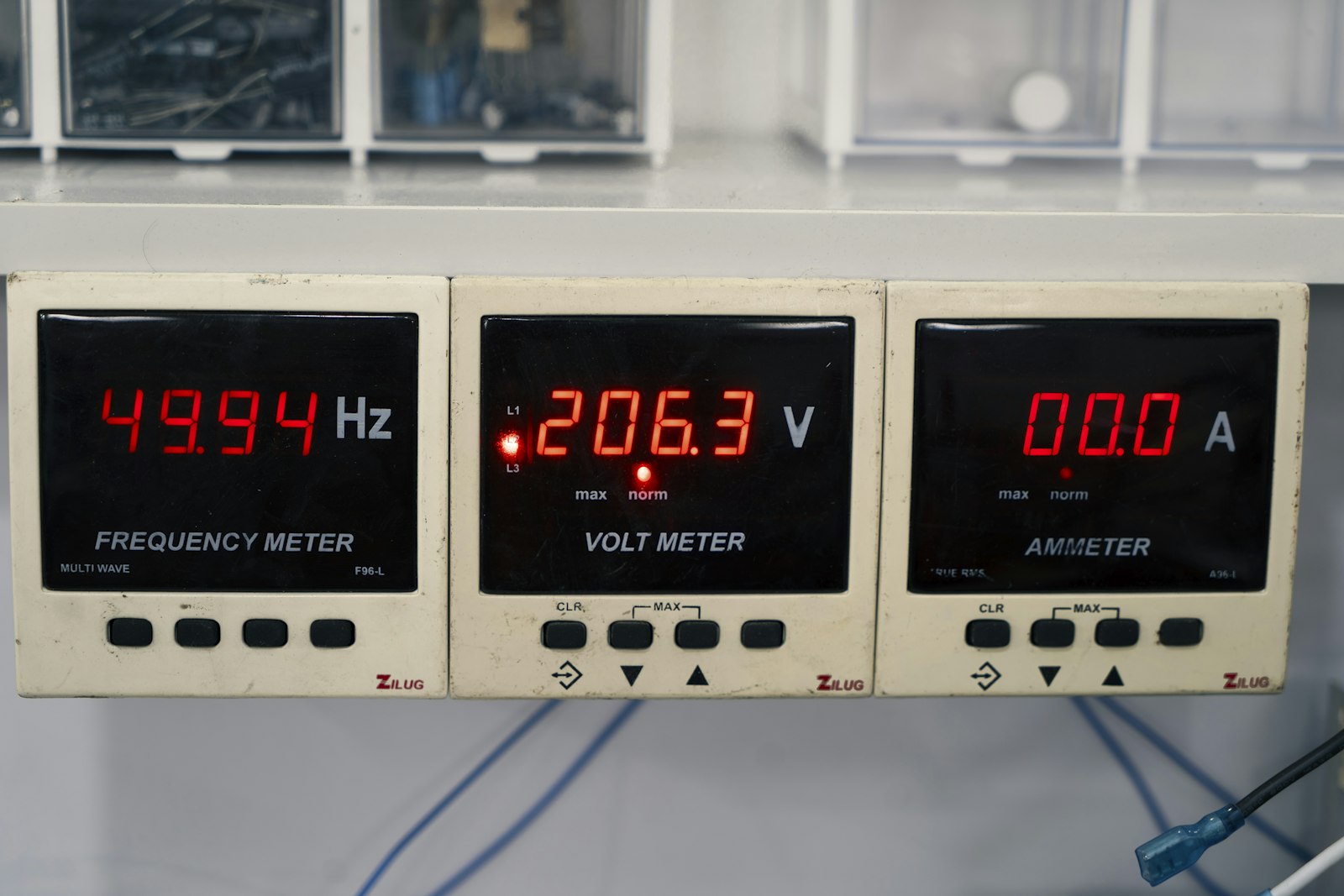
Operations, before and after Aqueduct
- Faults are found by the people they affect.
- Equipment is serviced by calendar, not condition.
- Work orders say what broke, never why.
- Silent sensors and dead batteries go unnoticed for weeks.
- Closed tickets are assumed to mean fixed equipment.
 The Aqueduct way
- Faults are flagged and diagnosed before occupants notice.
- Early signs of failure schedule the maintenance first.
- Every ticket carries the diagnosis and a recommended fix.
- Device health names the sensor that needs attention.
- The equipment and the meter confirm every repair.
Most faults are found by the people they affect.
Operations teams hear about a failure from a complaint, then spend hours finding the cause.
Faults found by complaints
A stopped fan or a stuck valve shows up as a hot room or a leak, long after the fault began.
Maintenance by calendar
Equipment is serviced on a schedule, not on its condition, so failures still arrive between visits.
Tickets without a diagnosis
Work orders say what is wrong, not why, so the first visit is spent finding the cause.
Fault detection after the fact. Prediction before it.
Two different jobs, run on the same loop.
Monitor
Equipment telemetry, BMS points, and vibration and acoustic sensors on rotating plant.
Measure
Health, runtime share and target attainment for each component of each asset.
Identify
Fault detection and diagnostics for faults that happened. Early signs of failure, like vibration, a new sound signature or energy drift, for the ones that have not.
Act
A ticket in your CMMS with the diagnosis and a recommended fix.
Verify
The meter confirms the repair worked, for example airflow back to normal after a fan repair.
Found, diagnosed and routed in minutes.
An AHU blower stops. Aqueduct flags it, diagnoses a failed rotor shaft, routes the fix to your CMMS and confirms the airflow came back.
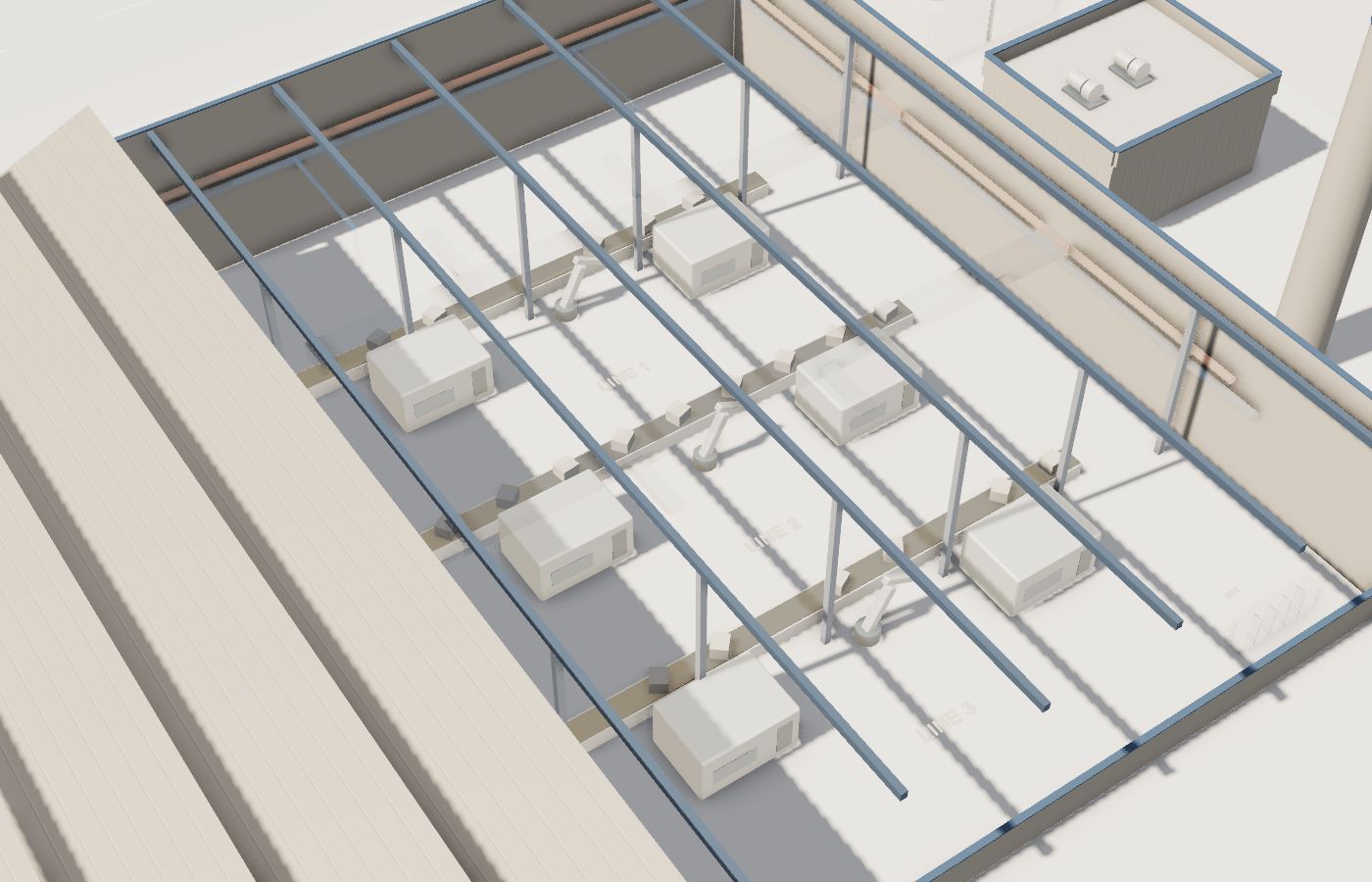
Stop failures before they happen.
Compressor vibration, a new sound signature or slow energy drift schedule the maintenance before the line or the plant stops.
Know which sensor to trust, and which to replace.
Connection rate and battery or capacitor voltage for every device, so you can trust the readings and send someone to the right sensor, not the whole site.
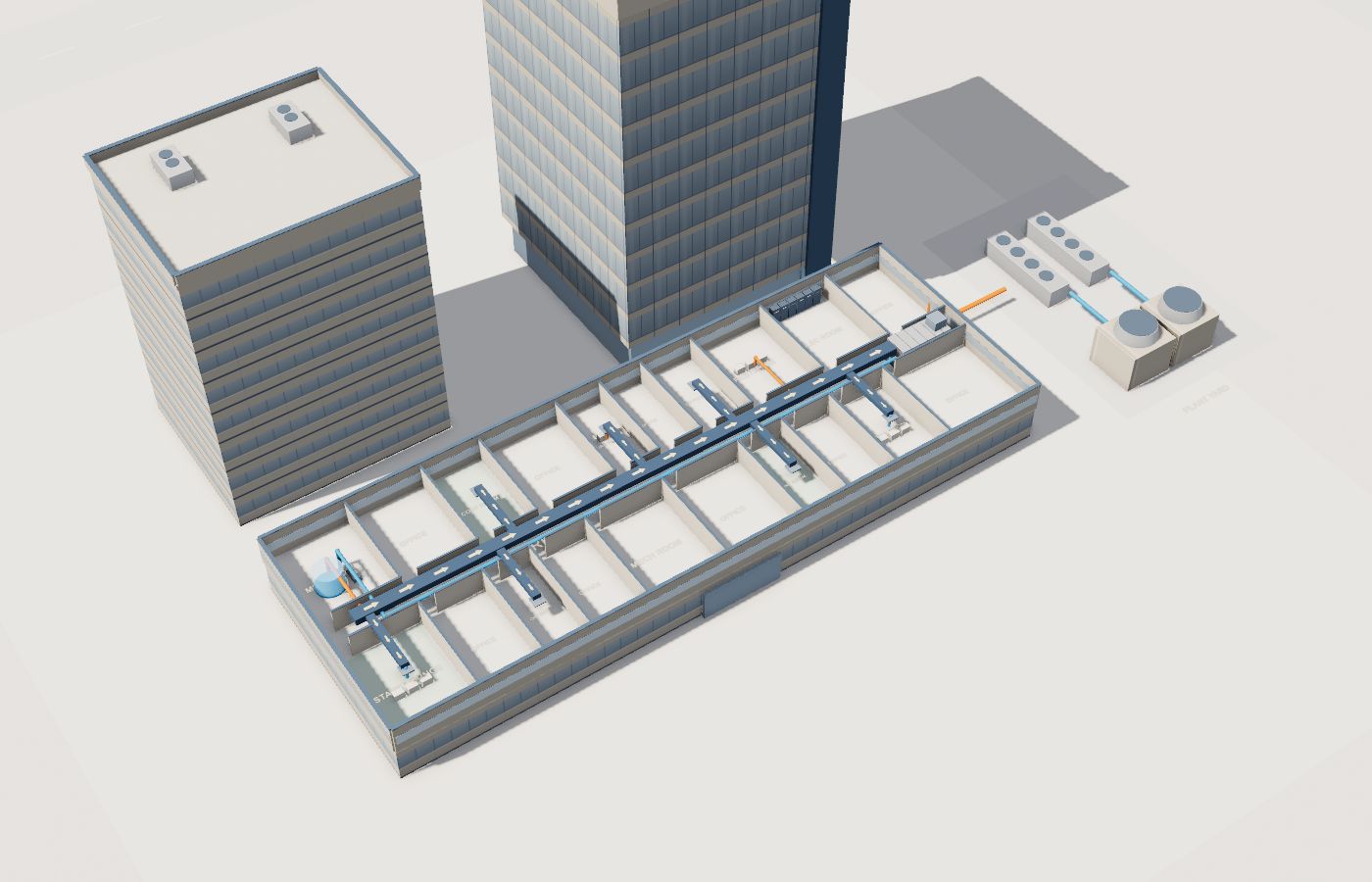
Ask the building what is wrong.
Ask in plain language and get an answer with the trend, the comparison and a warning when the data behind it is thin.
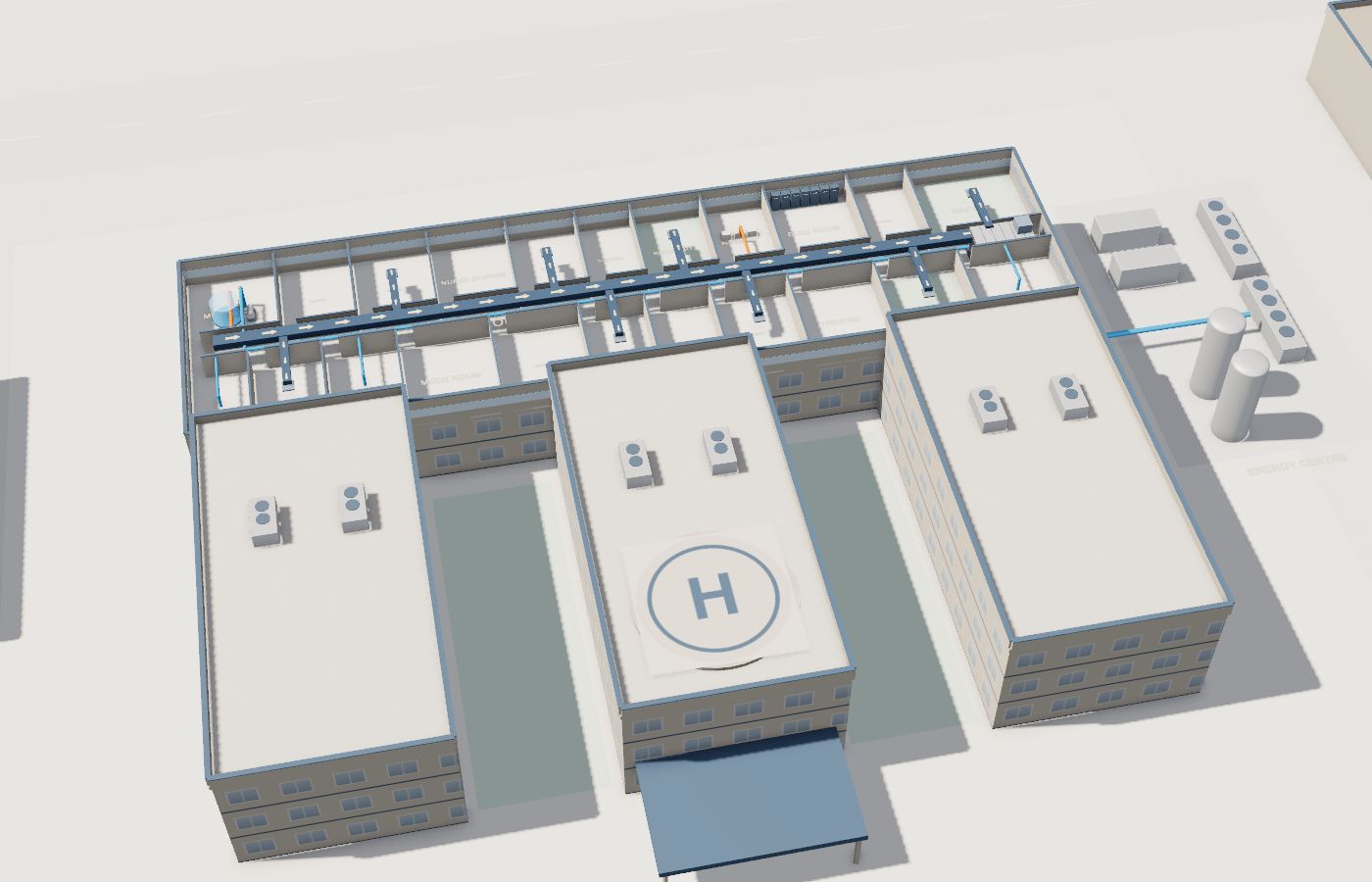
Operations results, verified.
From live sites across hospitals, real estate portfolios and plants.
sites in 21 countries.
and 9 clinics in one hospital chain.
Where teams put it to work
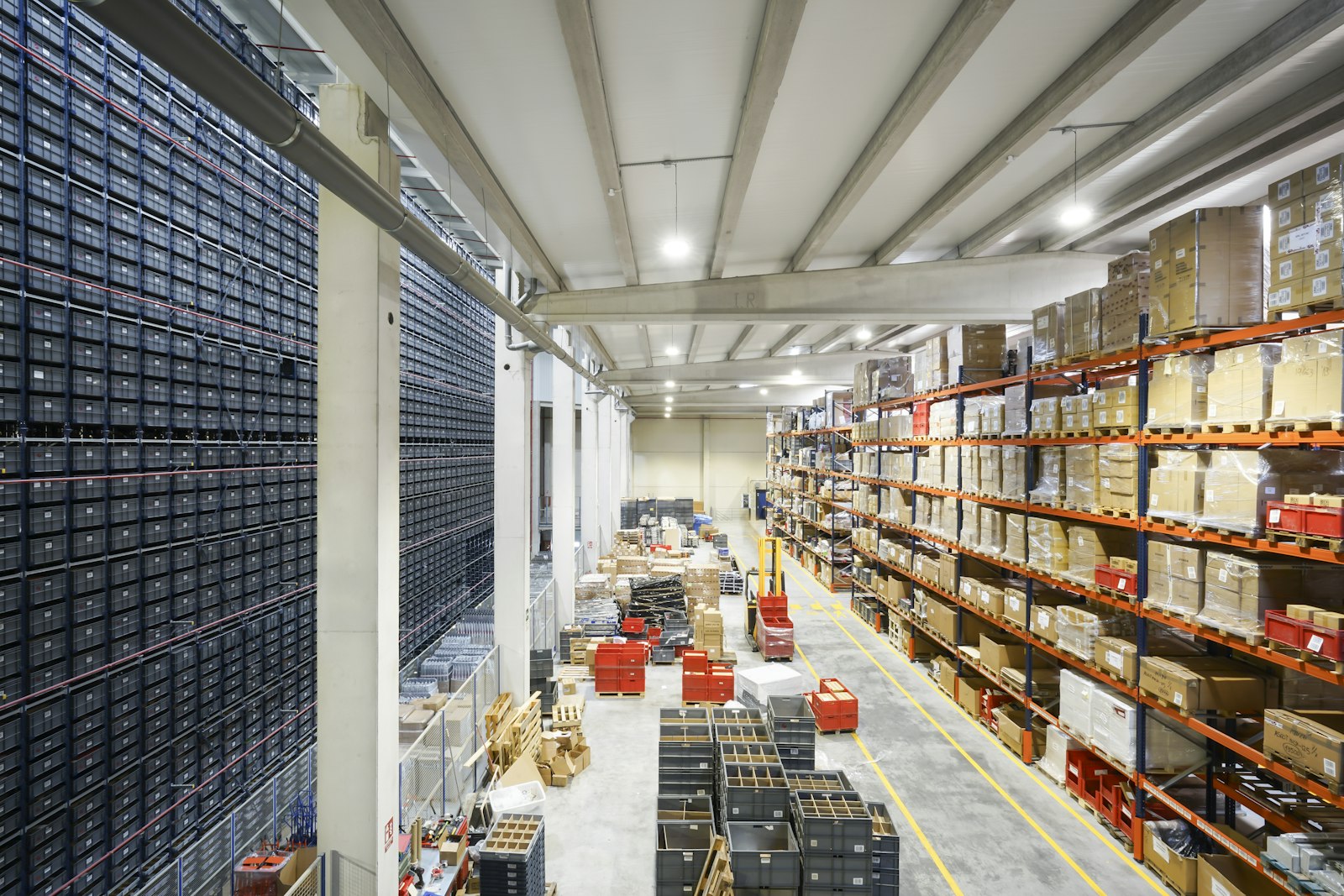
Many sites, one queue of real faults
Service providers get diagnosed faults routed into their own CMMS across every client site, with closure verified by the equipment rather than assumed.
Learn more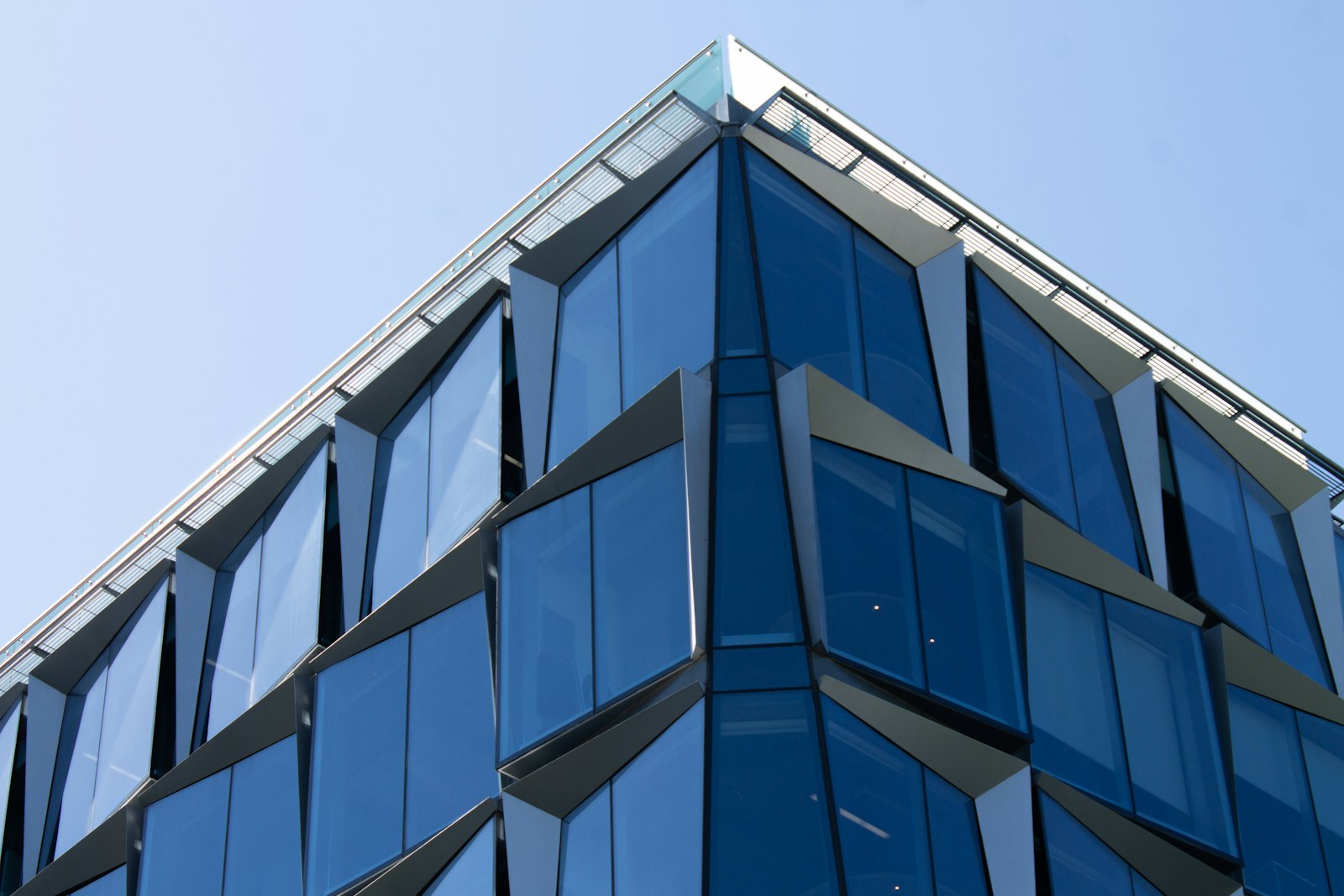
Rooftop units across a portfolio
Across a commercial real estate client's 20M+ sq ft portfolio, faults and early signs of failure are routed into one maintenance queue.
Learn more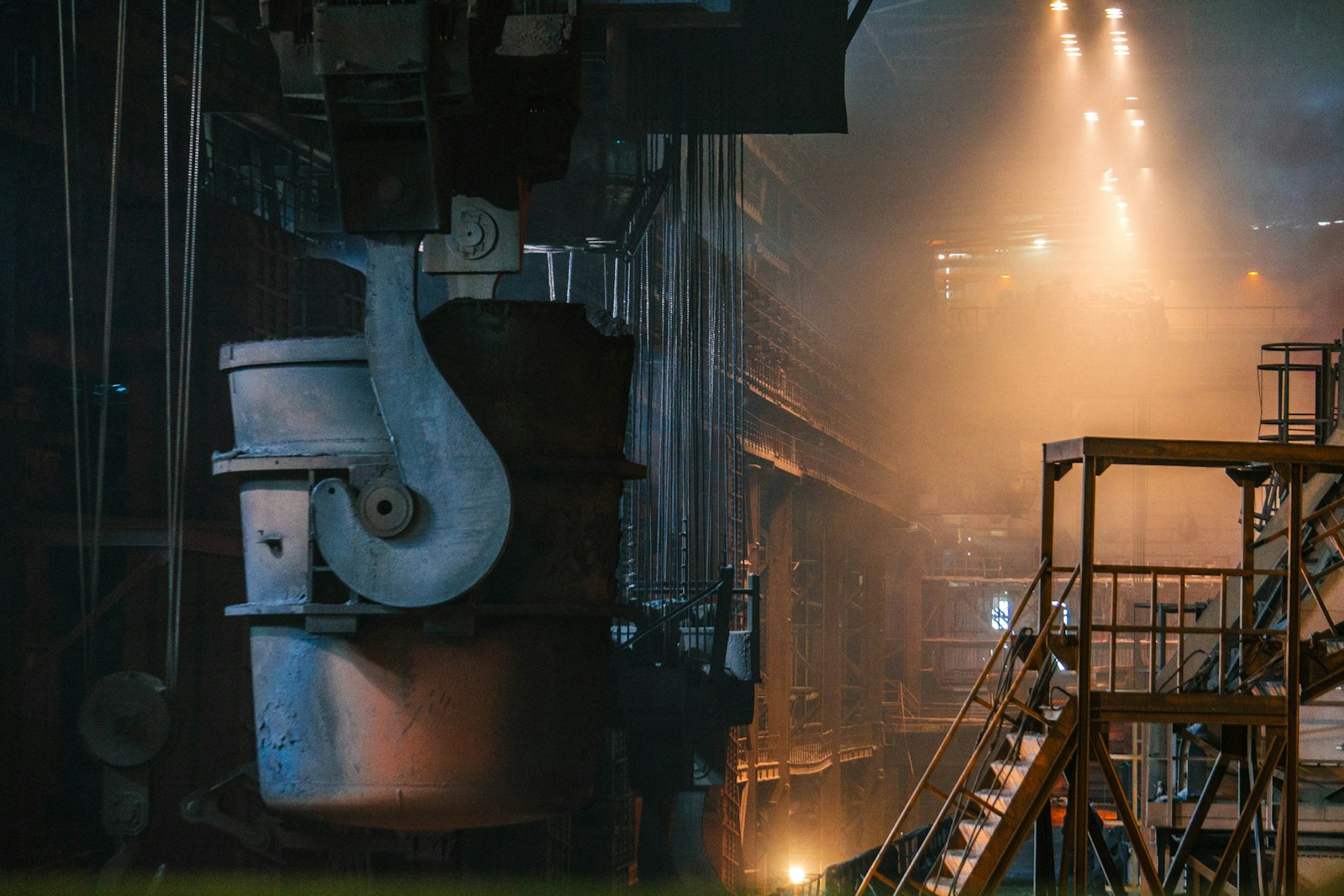
Rotating plant that keeps running
Compressors, pumps and fans on the line are watched for early signs, so maintenance happens in planned downtime.
Learn moreWater, energy, air and operations on one platform.
Common questions
Fault detection and diagnostics finds a fault that has happened, diagnoses it and routes the fix. Predictive maintenance acts before the fault, on signals like vibration, a new sound signature or energy drift.
No. Aqueduct integrates with your CMMS and routes tickets into it. It does not manage technicians, inventory or work order workflows.
Anything that emits telemetry: meters, sensors, BMS points, AHUs, RTUs, chillers, pumps and compressors, with vibration and acoustic sensors for rotating plant.
See Aqueduct on your own facility.
Bring a site, a utility bill or a question. We will show you where the loss is.