Smart water meters for buildings, from the main incomer to every line
A smart water meter for buildings records consumption and reports it automatically. Aqueduct reads inline and ultrasonic meters over pulse or LoRaWAN, Modbus and M-Bus meters through bridges, and existing meters by camera, plus leak contact sensors. Readings feed a live water balance, so leaks, running fixtures and waste events surface without waiting for the bill.
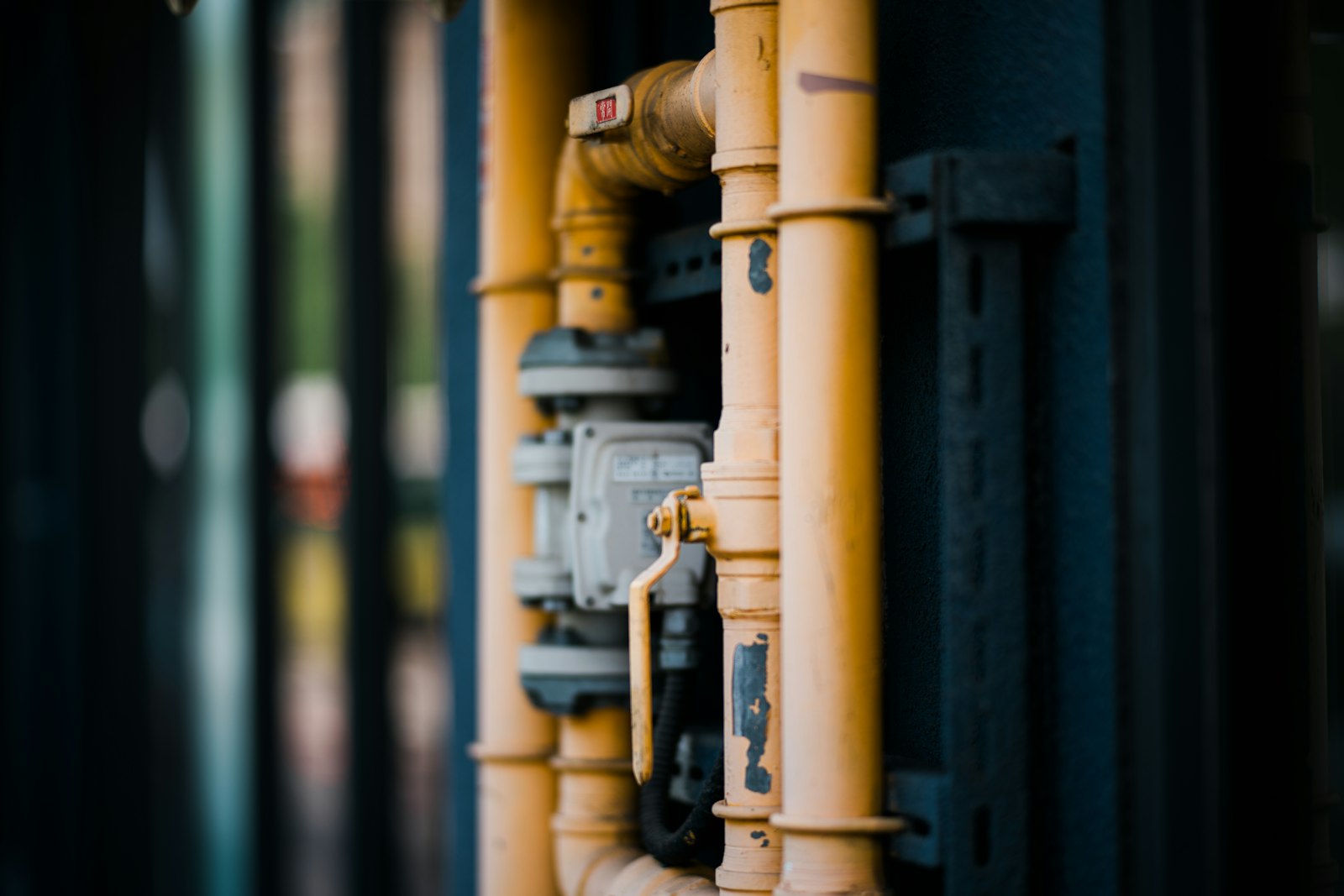
Meter the main and the lines, and let the water balance find the loss.
Every line that matters on its own meter
- Main incomer
The supply side of the balance, measured continuously instead of once a month.
- Lines and tenants
Sub-meters on floors, risers, tenants and equipment attribute every gallon to where it was used.
- Big loads
Cooling towers, irrigation and process lines are metered where abnormal use costs most.
Inline, ultrasonic, bridged or read by camera
- Pulse or LoRaWAN
Inline and ultrasonic meters report through a pulse counter or directly over LoRaWAN.
- Modbus and M-Bus
Modbus and M-Bus meters connect through bridges that convert readings into secure LoRaWAN messages.
- Camera reads
Meters with no output are read by computer vision from an image of the face.
Leaks and waste flagged with the evidence attached
- Continuous flow
Flow that never reaches zero is flagged as a likely leak or running fixture.
- Contact sensors
Water on a floor or under equipment triggers an immediate leak event.
- Fewer false alarms
Use is checked against occupancy and schedules before an alert is raised.

Water metering, before and after Aqueduct
- One meter at the inlet, read once a month.
- The utility bill is the leak alarm.
- Tenants pay a share of water by floor area.
- Old meters with no output stay offline for good.
- Floods are found when someone sees the water.
 The Aqueduct way
- Meters on the main and lines report automatically.
- The live water balance is the leak alarm.
- Tenants are billed from their own sub-meter data.
- Pulse counters, bridges and cameras bring old meters online.
- Contact sensors report water on the floor immediately.
Water meter types and data points
Total volume is measured at the meter. Flow is calculated in the cloud from the change in total gallons over time.
| Device type | Data points |
|---|---|
| Inline water meter, pulse output | Pulse count through a LoRaWAN pulse counter, converted to total gallons, with flow calculated in the cloud |
| Ultrasonic water meter, pulse output | Pulse count through a LoRaWAN pulse counter, converted to total gallons, with flow calculated in the cloud |
| Ultrasonic water meter, LoRaWAN | Total gallons sent directly from the meter over LoRaWAN, with flow calculated in the cloud |
| Camera meter reading an existing meter | An image of the meter face is read with computer vision in the cloud to give total consumption and flow |
| Modbus or M-Bus meter | Meter data collected by a Modbus-to-LoRaWAN or M-Bus-to-LoRaWAN bridge and sent securely to the cloud |
| Water leak contact sensor | Leak detected event when water bridges the sensor's conductive contacts |
Where water meters go
Main incomer
Total site consumption and the supply side of the water balance.
Floors, risers and tenants
Sub-meters that attribute use and support fair tenant billing.
Cooling towers and irrigation
The large discretionary loads where abnormal use costs most.
Process and treatment
Process water, RO feed and treatment plant lines on the same balance.
Water waste events Aqueduct detects
Consumption is correlated with occupancy, schedules and other sensors to reduce false alarms.
Continuous flow
Steady flow that never drops to zero points to leaks, running toilets or failed fixtures.
Water where it should not be
Leak contact sensors under equipment and in mechanical rooms report water on the floor immediately.
Abnormal high use
Irrigation, cooling towers or process equipment drawing far more than expected.
Use when unoccupied
Consumption while a building or area is empty is flagged as waste.
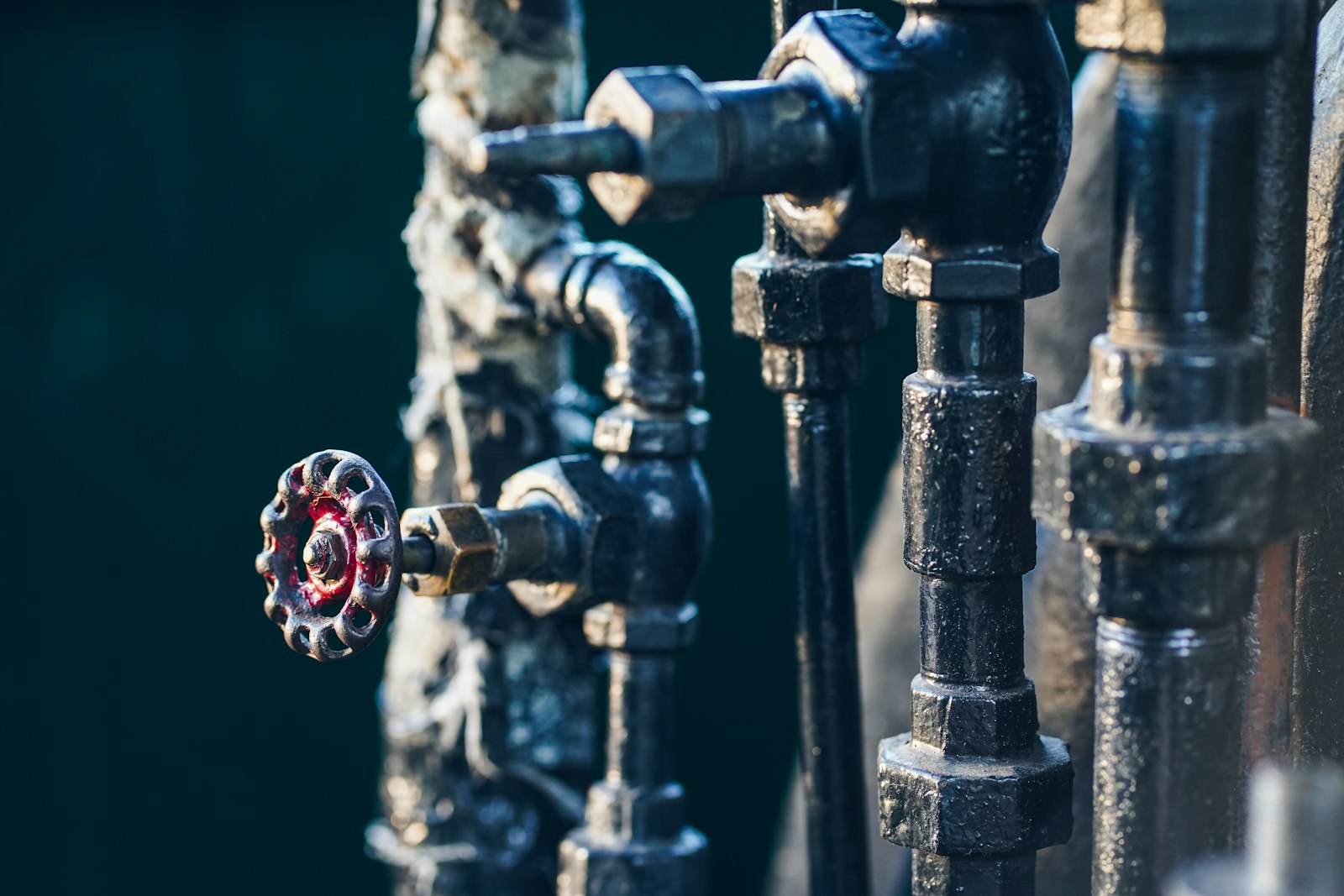
Protocols it speaks
The exact make and model is chosen per site, by pipe size, material and protocol.
Features this hardware powers
Where teams put it to work

Every line feeding one live water balance
Meters across terminals, cooling and irrigation feed one balance, so unaccounted flow is located to a line instead of a whole site.
Learn more
Process and wash water metered by use
Meters on wash-down, cooling and process lines show where water goes, and abnormal flow is flagged against each line's baseline.
Learn more
Tenant water billed on measured use
Tenant sub-meters feed Aqueduct billing directly and catch a running fixture in a single suite well before the monthly bill arrives.
Learn moreDevice agnostic, with leading manufacturers.
Exact make and model are selected per site. These are some of the manufacturers and standards Aqueduct works with.






sites in 21 countries run on Aqueduct.
and 9 clinics in one of India’s top hospital chains.
US airport running water intelligence on Aqueduct.
of commercial real estate under Aqueduct.
FMCG manufacturing campus.
operations run on Aqueduct.





Related
Common questions
It is a meter that records water consumption and reports it automatically over LoRaWAN, pulse, Modbus or M-Bus. Aqueduct uses those readings to build a live water balance and detect leaks and waste events.
Water sub-metering installs meters downstream of the main to measure individual tenants, floors, buildings or equipment. Customers use it for fair billing, leak detection and conservation programs, and Aqueduct verifies each water saving at the meter against a weather-normalized baseline.
Yes. Meters with a pulse output connect through a LoRaWAN pulse counter, Modbus and M-Bus meters through a bridge, and meters with no output can be read by a camera.
An inline meter measures flow mechanically as water passes through it. An ultrasonic meter measures flow with sound waves and has no moving parts. Aqueduct reads both, over pulse or LoRaWAN.
Meters report total gallons. Aqueduct calculates flow in the cloud from the change in total gallons over time, and the water digital twin refreshes every 60 seconds as telemetry arrives.
They do different jobs. Meters find leaks anywhere in the metered system through the water balance, and contact sensors give immediate notice of water on a floor or under equipment.
Aqueduct is device agnostic. The meter is chosen per site by pipe size, material and protocol from the hardware we work with, and installation runs through partners.
See Aqueduct on your own facility.
Bring a site, a utility bill or a question. We will show you where the loss is.