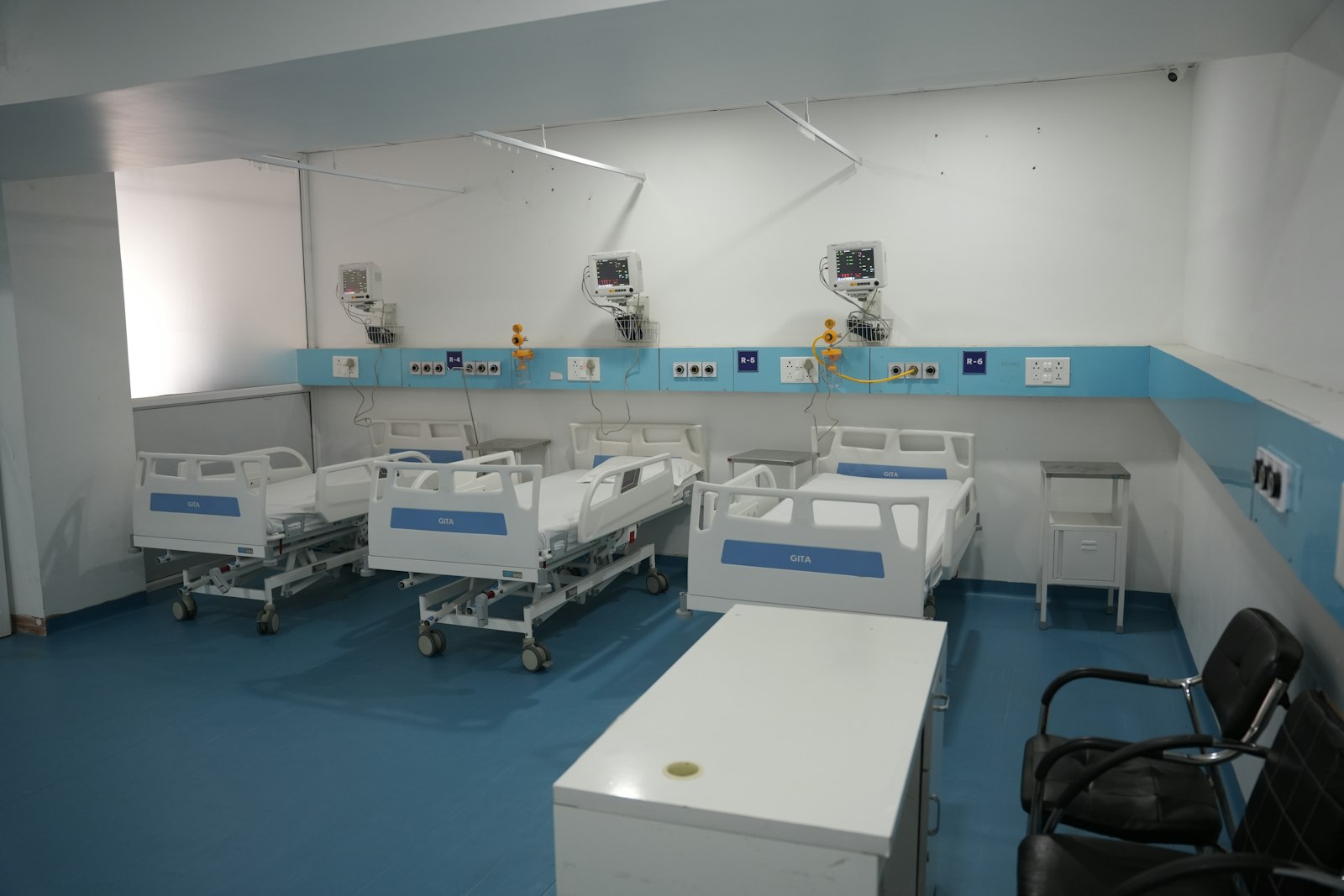
Hospitals that hold air, water and uptime in range.
Wards, theaters and plant rooms on one platform. Aqueduct can replace or connect the BMS and water systems a hospital runs, act on faults, and verify the result, with the records infection control and accreditation ask for.
Keep wards, theaters and plant rooms in range, with records that stand up to inspection.
Outlet temperatures and flow, evidenced without a clipboard
- Outlets and risers
Temperature and flow are read continuously at outlets and risers, so the water management program has real records.
- Low-use outlets flagged
Outlets with little or no flow are flagged early, so flushing is planned before water sits too long.
- Survey-ready history
Every reading and every corrective action is retained, so the next survey sees evidence instead of memory.
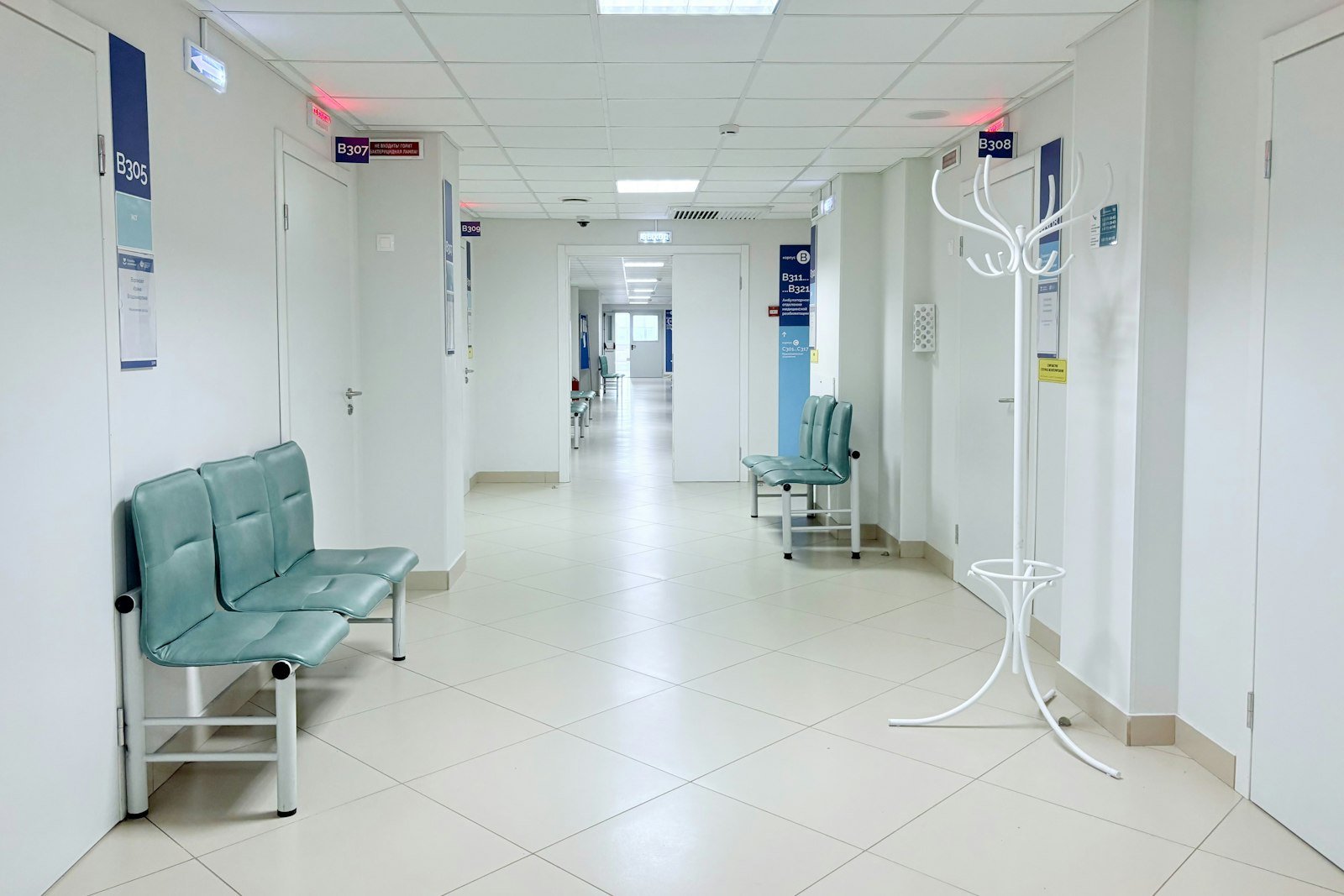
Theaters, isolation rooms and wards held to their targets
- Targets by space type
Each theater, isolation room and ward is measured against its own target, not a single building average.
- Cause, not just alarm
A CO2 rise is traced to the AHU and damper behind it, explained in plain language for the engineer.
- Ventilation that responds
Where control is enabled, with owner approval, ventilation is adjusted and the space is verified back in range.
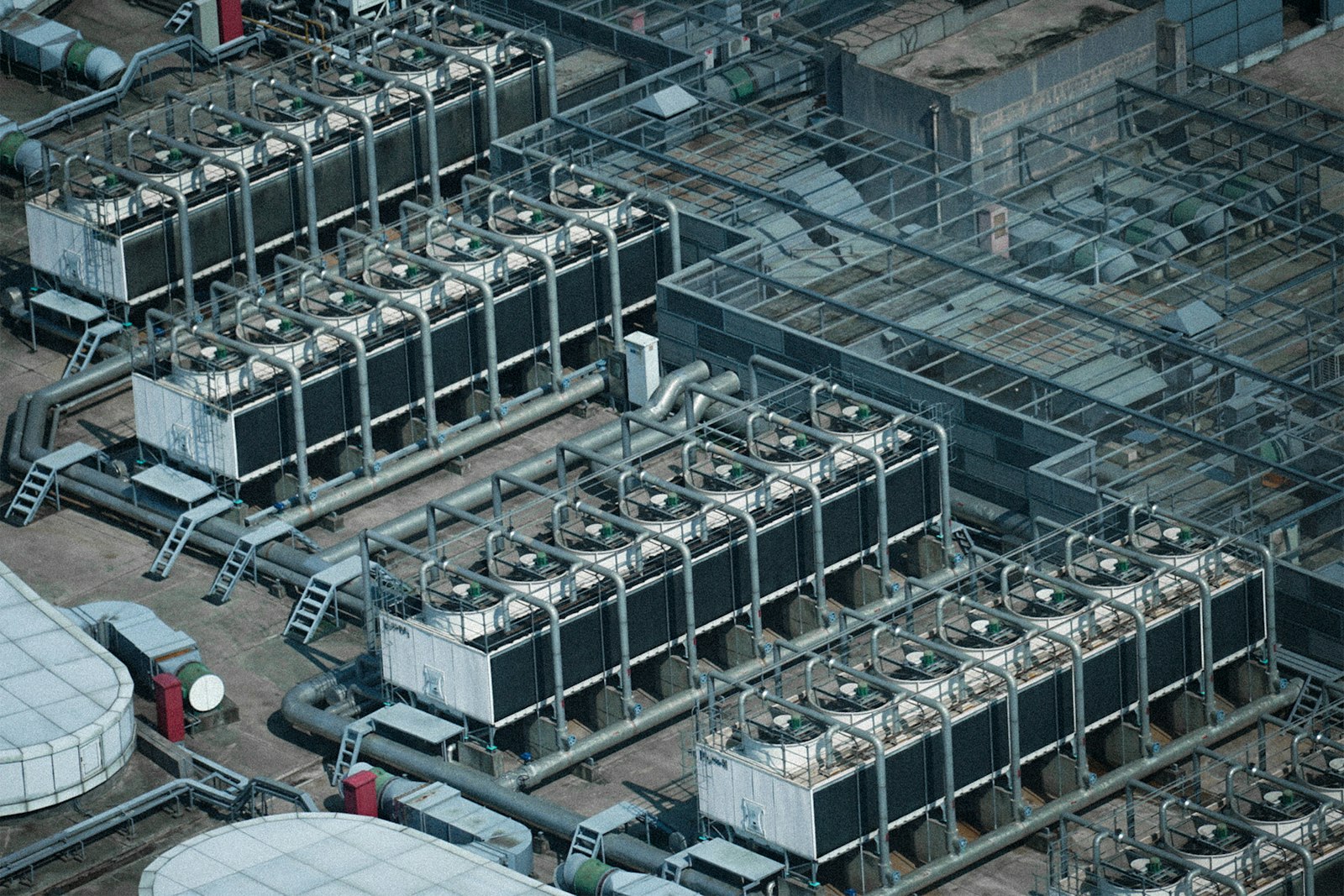
Chillers, boilers and AHUs fixed before a ward notices
- Faults diagnosed
AHU, pump and chiller faults arrive with the likely cause and the fix, routed into your CMMS.
- Early signs of failure
Vibration, sound signature and energy drift on critical plant schedule maintenance before the failure reaches a ward.
- Savings in money
Plant energy is baselined against weather, and the difference is stated in money and confirmed at the meter.
Running a hospital estate, before and after Aqueduct
- Outlet temperatures are logged by hand on a weekly round.
- A stuffy ward is found when a nurse calls facilities.
- AHU faults are discovered when a theater drifts out of range.
- Plant savings are promised in a proposal and never measured.
- Survey preparation means weeks of gathering paper records.
 The Aqueduct way
- Outlet temperatures are read continuously and kept as evidence.
- Ward CO2 rises, the cause is named, and ventilation responds.
- AHU faults are diagnosed and routed before the theater drifts.
- Plant savings are verified at the meter against a weather baseline.
- Survey records are already there, space by space and day by day.
What hospitals and healthcare teams are up against.
Water, energy, air and operations carry equal weight. Each one runs the same loop: monitor, measure, identify, act, verify.
Water: Water safety you can evidence
Temperature and flow at outlets and risers, continuously, so the water management program has records instead of clipboards.
Energy: 24-hour plant, verified savings
Chillers, boilers and AHUs baselined against weather. Savings stated in money, confirmed at the meter.
Air: Pressure and air changes by space
Theaters, isolation rooms and wards held to their targets, with ventilation adjusted and verified back in range.
Operations: Faults fixed before a ward notices
AHU, pump and chiller faults diagnosed, ticketed into your CMMS and confirmed closed.
Problem, solution, impact.
How Aqueduct resolves each problem for hospitals and healthcare, and what changes when it does.
Temperature and flow at outlets and risers, continuously, so the water management program has records instead of clipboards.
A live water balance across meters and sub-meters localizes the loss, routes the fix and confirms it closed at the meter.
Loss found from the balance, not the bill, and every fix verified.
Chillers, boilers and AHUs baselined against weather. Savings stated in money, confirmed at the meter.
Weather-normalized baselines per building and asset show the waste in money; schedules and setpoints adjust where control is enabled.
Savings stated in money and confirmed at the meter, not estimated.
Theaters, isolation rooms and wards held to their targets, with ventilation adjusted and verified back in range.
Air quality per zone, overlaid with occupancy, with ventilation raised when it matters and verified back in range.
Targets held during occupied hours, with the energy cost counted.
AHU, pump and chiller faults diagnosed, ticketed into your CMMS and confirmed closed.
Faults diagnosed in plain language and routed into your CMMS with the fix; early signs of failure schedule maintenance first.
Fewer reactive call-outs and closures confirmed by the equipment.
One incident, from first signal to verified fix.
An illustrative example of the flywheel on a typical site.
Ward and theater air sensors, AHU points, water outlet temperatures, existing or newly specified.
A baseline per ward, theater and asset. Targets by space type.
CO2 rising in Ward 2B. Cause: AHU-02 fresh-air damper at minimum.
Ventilation adjusted where control is enabled, and a ticket routed to your CMMS with the fix.
Ward 2B back in range in 14 minutes. The record is retained for the next survey.
Four connected products on one data layer.
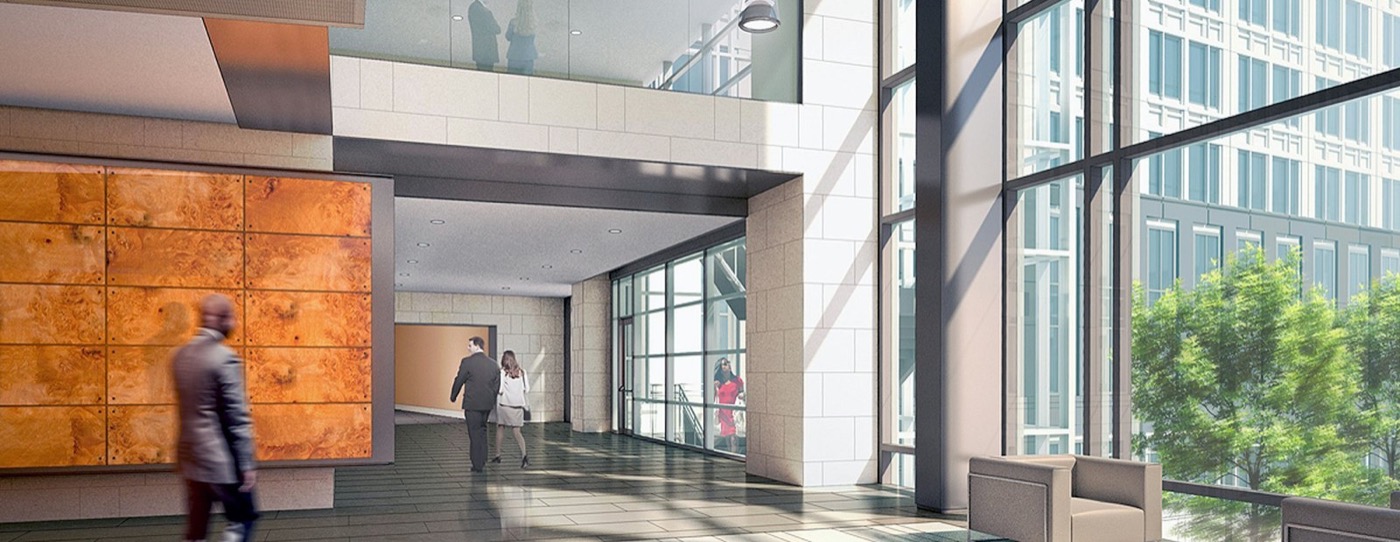
Patients should never feel the plant room, and the records should prove it.
Talk to our teamReplace what should be replaced. Connect the rest.
- BMS and BAS
- Energy management
- Indoor air quality monitoring
- Water management
- CMMS
- EAM
- Nurse-call and clinical systems stay separate
Three equal ways in: keep your BMS, replace it, or build Aqueduct in at design stage.
The questions each seat asks first.
“Does it fix things or just flag them?”
“Can I show continuous records for water and air?”
“Is the saving measured or estimated?”
Standards and regulations we supply evidence for.
We supply the measured inputs. You run the program and file the report.
Where teams put it to work
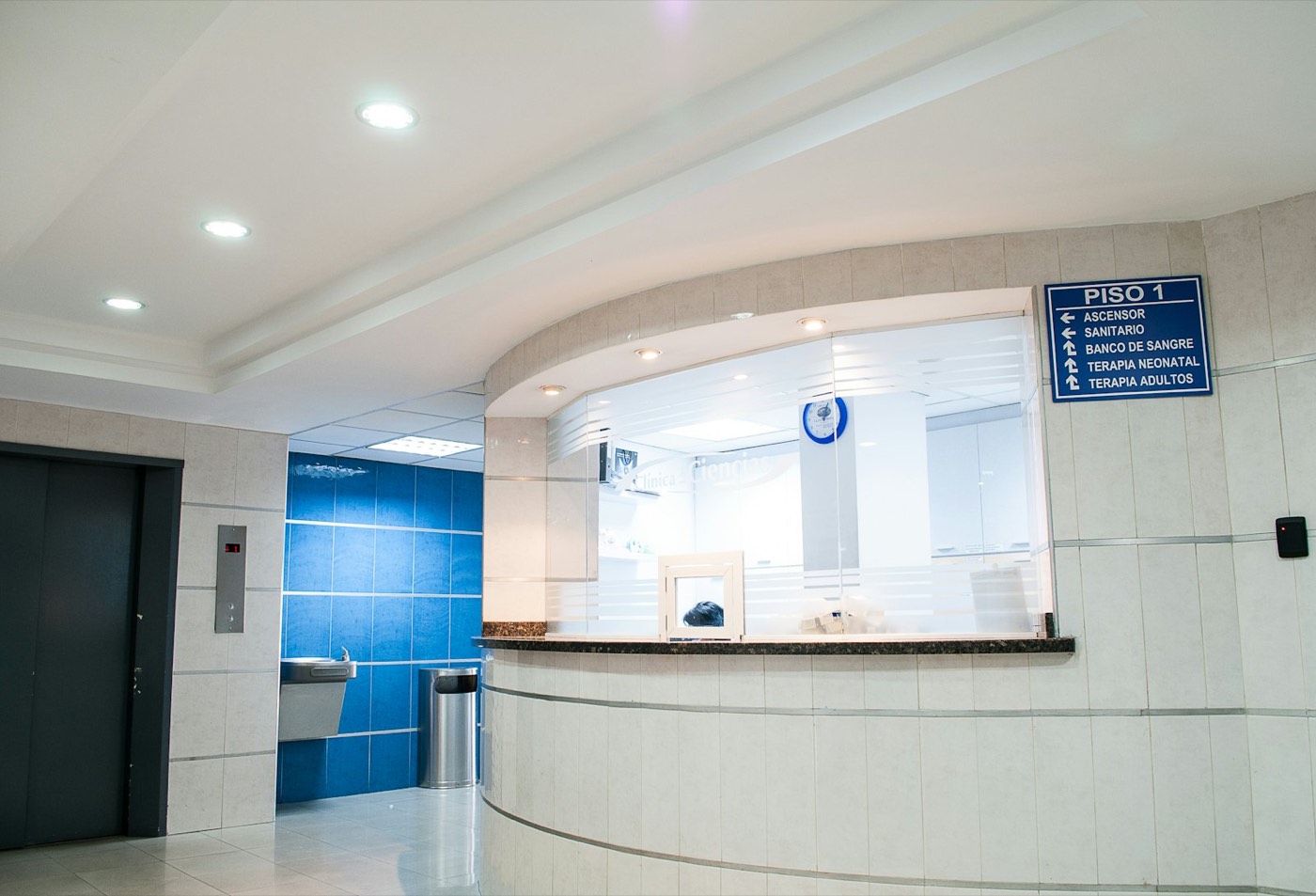
Continuous records for water and air
The infection prevention lead sees outlet temperatures and room air by space, with every excursion and every corrective action retained for review.
Learn more
Chiller and AHU faults fixed early
Faults found, diagnosed and routed into your CMMS with the fix, then confirmed closed when airflow and temperatures return to target.
Learn more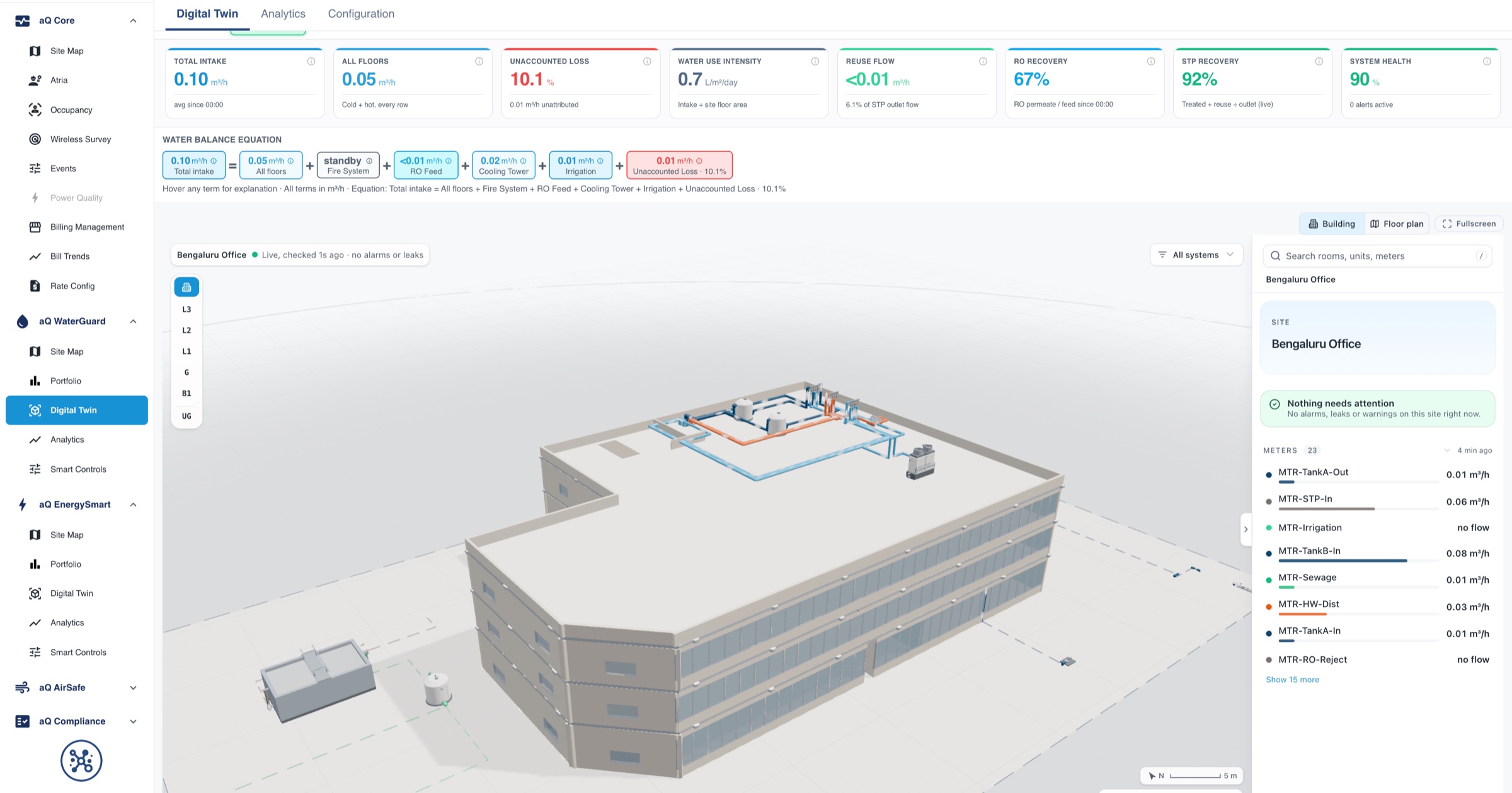
Savings measured, not estimated
Energy and water baselines adjust for weather, so the CFO sees a saving in money that the meter has already confirmed.
Learn moreEight spaces where the environment is part of care.
In most buildings a drifting utility costs money. In these rooms it becomes an infection control event or an accreditation finding. Each one has its own limits, its own way of failing quietly, and its own evidence trail.
Operating theaters: ready for the next case, or not
A theater holds positive pressure, filtered supply air and a humidity band through every case. Validation happens on a schedule, but pressure, air changes and filter loading drift between visits with nobody watching. Aqueduct turns the room's readings into one readiness state before the next patient arrives.
- Per room, not per zone: each theater has its own control and its own record
- Humidity rising past the upper limit shows up as a specific hold or proceed call
- Filter differential trended, so the AHU is serviced before the room drifts
- Measured
- temperature, RH, room pair pressure, airflow, filter differential
- Target
- per ASHRAE 170 or your protocol
- Aqueduct
- aQ AirSafe readiness verdict per theater, retained as evidence
Neonatal intensive care: the room regulates for the baby
Newborns cannot hold their own temperature, so the room does it for them. The usual failure is slow thermal or humidity drift where no single reading looks wrong enough to flag. Trend scoring catches the direction of travel, not only the breach.
- Temperature and humidity trended against the room's own band
- CO2 and particulates logged alongside comfort conditions
- The critical power feeding the unit on the same view
- Measured
- temperature, RH, CO2, PM2.5, UPS status
- Target
- per your standard
- Aqueduct
- drift alerts before the limit, plus a month's record on demand
Pediatric intensive care: climate and power together
The sickest children in the building need a stable climate and power that never blinks. Power readiness is often assumed until the day it is tested for real. Aqueduct shows room conditions and the UPS and generator behind them in one place.
- UPS state of charge, transfer events and generator run tests recorded
- Room conditions logged continuously rather than on rounds
- One alert path when either the room or its power supply moves
- Measured
- room conditions, UPS, generator, feeder load
- Target
- per your standard
- Aqueduct
- aQ EnergySmart single line with critical loads flagged
Isolation: containment exists only while the differential holds
A negative pressure room protects corridors and staff only while air keeps moving the right way. A sticking damper, a loaded filter or a propped door can defeat it, and a wall gauge is only true while someone reads it. Aqueduct watches each room as a pair with its anteroom or corridor.
- Differential pressure logged per room pair, continuously
- Breach alerts that name the room, the duration and the likely cause
- Door and damper context where those points exist
- Measured
- room pair differential pressure, exhaust airflow
- Target
- per ASHRAE 170 or your protocol
- Aqueduct
- containment status per room with a timestamped breach log
Dialysis: the one utility that reaches the bloodstream
Everywhere else, a water quality failure is an operations problem. On a dialysis line it is clinical. The ISO 23500 series expects ongoing monitoring of the treatment train, including online monitors such as conductivity, rather than only periodic tests.
- RO performance trended between scheduled water tests
- Conductivity and TDS watched at each stage of the train
- Lab results stay with your renal team; Aqueduct holds the plant record
- Measured
- RO feed, permeate and reject, conductivity, TDS
- Target
- per your standard
- Aqueduct
- aQ WaterGuard treatment train view with drift alerts
Sterile services: a cascade, room to room
Instruments stay sterile because air moves from clean to less clean through a chain of rooms. That cascade is usually assumed from design rather than measured in use. Aqueduct records each room's conditions and the pressure relationship between neighbors.
- Pressure relationships logged between each pair in the chain
- Temperature and humidity for sterile stores
- A cascade break shown as the link that failed, not seven alarms
- Measured
- room conditions, inter-room pressure
- Target
- per your standard
- Aqueduct
- cascade view with the failing link highlighted
Pharmacy and vaccine storage: catch it before the stock is lost
Controlled storage fails between checks, and the excursion is found after the product is already compromised. Continuous temperature per unit, with an exportable log, turns a discovery into an alert while there is still time to move stock.
- Temperature per refrigerator, freezer and cold room
- Door-open and compressor behavior where available
- An excursion log the pharmacist can export for the record
- Measured
- unit temperature, compressor power
- Target
- per your standard
- Aqueduct
- alerts with time out of range and the affected unit
Central plant: the machinery behind every room above
Chillers, AHUs, UPS and generators sit behind every clinical space. Faults are usually found when a room drifts, which is too late. Aqueduct reads the plant and links it to the rooms it serves, so a coil fouling shows up as a risk to Theater 3 before Theater 3 moves.
- Every AHU mapped to the rooms it supplies
- Chiller efficiency and filter loading trended against load
- aQ PredictIQ flags plant heading for failure while there is time to schedule it
- Measured
- chiller and AHU points, filter differential, UPS, feeders
- Target
- your plant baseline
- Aqueduct
- plant risk tied to clinical spaces, ticketed into your CMMS
What ASHRAE 170 sets, and what your protocol sets.
These are design parameters from ANSI/ASHRAE/ASHE Standard 170 for two room types. Where we are not quoting the standard directly, the cell says per your standard. NABH and other accreditation limits are configured from your own protocol. Aqueduct holds the limits you set; it does not set clinical standards.
| Parameter | Operating room | Airborne infection isolation room | NICU, ICU and NABH aligned spaces |
|---|---|---|---|
| Temperature | 68 to 75 F (20 to 24 C) | per your standard | per your standard |
| Relative humidity | 20 to 60 percent | per your standard | per your standard |
| Pressure relationship | Positive to adjacent spaces | Negative, at least 0.01 in. w.c. (2.5 Pa) | per your standard |
| Minimum total air changes per hour | 20 | 12 | per your standard |
| Minimum outdoor air changes per hour | 4 | 2 | per your standard |
| Room air exhausted directly outdoors | Not required | Yes | per your standard |
| Recirculating room units | Not permitted | Not permitted | per your standard |
| Filtration | per your standard | per your standard | per your standard |
From seven readings to one verdict a surgeon can use.
Read what already exists
Room sensors, AHU points and pressure monitors are read from the BMS over BACnet or Modbus. Retrofit sensors go in only where a measurement is missing, scheduled around clinical activity.
Score each parameter against its own limit
Temperature, humidity, pressure, air changes, particulates and filter state are each scored against the room's configured band, and against their trend over the last hour.
Roll it into one room state
The theater is ready, at risk, or not ready. At risk means a parameter is heading for its limit. Not ready names the parameter and how long it has been out.
Trace the cause
Humidity high with everything else in band points to the humidifier or the cooling coil on the serving AHU. aQ Assistant answers in plain language and shows the series behind the answer.
Act and keep the record
A ticket goes to your CMMS with the cause attached. Where control is enabled, with owner approval, the AHU is adjusted. The excursion, the response and the recovery are stored as one evidence record.
Your BMS answers building questions. Quality teams ask clinical ones.
Hospital BMS platforms run plant well. The gap is the question being asked of the data. Aqueduct reads the same points and answers in the language of the people who carry the risk.
| Who is asking | What the BMS answers | What they actually need to know |
|---|---|---|
| Theater manager | Is AHU-2 running? | Is Theater 2 ready for the next case right now? |
| Infection prevention lead | Which panel has a pressure alarm? | Did every isolation room hold containment all week? |
| Quality and accreditation | What is the fault code? | Where is a month of continuous theater and NICU evidence? |
| Renal unit lead | Is the RO plant on? | Has the treatment train drifted since the last water test? |
| Director of facilities | Which AHU has a filter alarm? | Which plant fault is about to reach a clinical room? |
| Finance and ESG | What does the energy dashboard show? | What is energy and water per occupied bed, by hospital? |
Start with the theater and NICU block. Clone it across the network.
The theater and neonatal block has clear boundaries, a defined set of AHUs and the highest stakes, so value is visible to clinicians early. Networks such as one of India's top hospital chains, with 22 hospitals and 9 clinics, need the same safety definition at every site, so the first block becomes the template.
Survey and room register
A non-invasive walk of the block: AHUs serving critical rooms, pressure cascades, dialysis RO, UPS and generators, and the BMS points already exposed. Room classes and limits are agreed with your quality team.
Data foundation
Edge gateway installed, BMS points mapped, retrofit pressure and air sensors added where missing. First live readings and alarms, with data kept on your network.
Readiness and evidence
Room verdicts live for theaters, NICU and isolation. Evidence packs for a month of records are generated from the platform rather than assembled from logbooks.
Predict, then scale
aQ PredictIQ on the AHUs and chillers behind clinical rooms. The room register and limits are cloned to the next hospital, and newly acquired sites are measured against the same definition from day one.
One record, read six ways.
Theater and ICU managers
A ready or not ready state per room before each case, with the reason in plain words when it is not.
Infection prevention
Continuous containment and humidity history for every isolation room and theater, not samples from rounds.
Quality and accreditation
Evidence packs exported on demand for surveys. The surveyor and your team judge compliance; Aqueduct supplies the measurements.
Learn moreFacilities and biomedical engineering
Plant faults linked to the rooms they threaten, ticketed into your CMMS and confirmed closed.
Learn moreEnergy and finance
HVAC tuning proposals backed by proof that clinical conditions held while the change was made, and savings confirmed at the meter.
Learn moreGroup leadership
Energy and water per occupied bed, compared across hospitals, ready for board and ESG reporting.
Sources1 references cited on this page
Proven in live sites across sectors.
Anonymized results, verified at the meter.
sites in 21 countries run on Aqueduct.
and 9 clinics in one of India’s top hospital chains.
US airport running water intelligence on Aqueduct.
of commercial real estate under Aqueduct.
Features that matter here
Common questions
It can. Aqueduct can replace a BMS, BAS or EMS, or work across the ones you keep. Clinical systems stay separate.
It keeps continuous temperature and flow records at the points your program names, flags excursions, routes the fix into your CMMS and retains the evidence. You run the program; Aqueduct supplies the measurements.
Yes. Aqueduct can be deployed on-prem, with AI on NVIDIA infrastructure, for sites that cannot send data out.
No. Aqueduct holds whatever limits your protocol specifies, whether that is ASHRAE 170, NABH aligned values or your own infection control policy. Each room class carries its own bands, and changes to them are logged.
No. It measures the environment and utilities in clinical spaces: air, water and power. It does not read patient records, nurse call or bedside devices.
That is the point of measuring per room. Setpoint and airflow changes are made with continuous proof that each room stayed inside its limits, so engineering can tune with evidence rather than avoid the plant. Control changes happen only where control is enabled, with owner approval.
It stays in the record with its start, duration, peak, cause, the ticket raised and the time back in range. That record is what a surveyor or your quality team reviews later.
Each new site is mapped to the same room classes and limits as the rest of the network, whatever BMS it arrived with. Its scores are visible against the group standard as soon as its points are connected.
No. Online measurements such as conductivity and RO performance show drift between scheduled tests. Your chemical and microbiological testing program stays in place, and its results remain with your renal team.
See Aqueduct on your own facility.
Bring a site, a utility bill or a question. We will show you where the loss is.