Hit air targets without burning energy.
A CO₂ spike in an empty building does not matter. One in a full meeting room does. Aqueduct overlays air quality with occupancy, tracks exposure in zone hours and raises fresh air when it is cheap to do so.

Hit air quality targets in occupied spaces without wasting energy on empty ones.
Every reading read against who was there
- Per zone parameters
CO2, VOC, temperature, humidity, carbon monoxide and particulates where sensors measure them.
- Occupancy overlay
Occupancy from sensors or schedules shows whether an event affected people or an empty room.
- Portfolio ranking
Sites are ranked by peak average CO2 and exposure, so attention goes where people are affected.
From a reading to a recommendation to a result
- Standards referenced
Each rating names the standard behind it, with a why this rating explainer.
- Cheap fresh air
When outdoor air is mild, the recommendation says so, because ventilation costs little right then.
- Ventilation on approval
Where control is enabled, AHUs, RTUs and relay fans respond under owner-approved rules.
Exposure duration tracked and every result recorded
- Exposure in zone-hours
Time above target is counted, because sustained exposure matters as much as the peak level.
- Energy alongside
Energy used for ventilation is measured with the air result, so neither is traded blindly.
- Records for certification
Continuous zone records support certification evidence. Aqueduct supplies the metrics, your team files.
Indoor air, before and after Aqueduct
- A snapshot on a quiet day stands in for every day.
- An alarm in an empty hall looks like one in a packed room.
- Teams over-ventilate or wait for complaints.
- Peaks are reported, but exposure time is never counted.
- Air and energy are managed by different people and tools.
 The Aqueduct way
- Continuous readings show the real air during operations.
- Occupancy overlay separates empty rooms from full ones.
- Fresh air is raised when it is needed and cheap.
- Exposure in zone-hours shows how long levels stayed high.
- Air results and ventilation energy sit on one platform.
Air quality is a duration problem, not a snapshot.
The danger is a concentration sustained over time, in a space full of people.
Snapshot measurements
A one-off reading taken while production is stopped says nothing about the air during a full shift.
Alerts without context
Without occupancy, an alarm in an empty hall looks the same as one in a packed gate lounge.
Air against energy
More fresh air costs energy. Without outdoor conditions in view, teams either over-ventilate or wait for complaints.
From reading to recommendation to result.
Healthy air runs the same loop, with occupancy and weather in view.
Monitor
CO₂, VOC, temperature, humidity, carbon monoxide, pressure, light, motion and sound, per zone.
Measure
Exposure in zone hours, because duration matters as much as level. A health label for every site.
Identify
Patterns like nightly VOC spikes from cleaning products or CO₂ from vehicles idling near a loading dock, with the standard behind each finding.
Act
Increase ventilation, raise outdoor air or check the economizer. Demand controlled ventilation where control is enabled.
Verify
Exposure falls in the zones that breached, with the energy impact measured alongside.
Following the air through an AHU
Indoor air quality and ventilation energy are both decided inside the air handling unit. Each section of the unit has its own measurements and its own failure modes.
Outdoor air intake and damper
The outdoor air damper sets how much fresh air enters. Its minimum position should deliver the design ventilation rate; in practice dampers stick, linkages slip and minimums get changed and forgotten.
- Damper command against actual position
- Outdoor air temperature and humidity
- Minimum position checked against measured outdoor air fraction
- Measured
- damper command and feedback, outdoor conditions
- Risk
- too little fresh air, or far too much
- Aqueduct
- compares damper position with the mixed air it produces
Mixing box and economizer
Return and outdoor air mix before the coils. When outdoor air is cool enough, the economizer opens the damper further for free cooling, up to a high limit set on temperature or enthalpy.
- Mixed air temperature against return and outdoor
- Economizer enable and high limit
- Free cooling hours missed while the damper sat at minimum
- Measured
- return, outdoor and mixed air temperatures
- Risk
- free cooling lost, or humid air brought in
- Aqueduct
- flags economizer faults from the temperatures
Filtration
Filters protect people and coils. As they load, pressure drop rises, airflow falls or fan power rises to hold it. A better filter grade captures more fine particles but usually starts at a higher pressure drop.
- Filter differential pressure trended
- Fan kW and speed against pressure drop
- Change triggered on condition, not the calendar
- Measured
- filter pressure drop, fan kW, PM2.5 in zones
- Risk
- wasted fan energy or bypassed filters
- Aqueduct
- maintenance alert on measured pressure drop
Cooling and heating coils
Coils condition the air and remove moisture. A fouled coil needs more valve opening for the same result; heating and cooling valves open together waste both.
- Supply air temperature against valve position
- Heating and cooling overlap with time and duration
- Leaving air humidity where measured
- Measured
- valve positions, supply air temperature
- Risk
- simultaneous heating and cooling
- Aqueduct
- flags overlap and valve saturation
Supply fan and static pressure
Fan power rises steeply with speed, so a static pressure setpoint higher than the zones need costs energy every hour the unit runs.
- Duct static against VAV damper positions
- Fan speed and kW
- Run hours against occupancy
- Measured
- static pressure, fan speed and kW
- Risk
- fan running fast and long for no reason
- Aqueduct
- static pressure reset where control is enabled
Zones and occupancy
The zone is where air quality is experienced. CO2, VOC, particulates, temperature and humidity are read per zone and overlaid with occupancy, so a reading is judged by whether people were there.
- CO2 exposure counted in zone-hours
- Occupancy from sensors or schedules
- Plain language rating with the standard behind it
- Measured
- CO2, VOC, PM, temperature, humidity, occupancy
- Risk
- sustained exposure in occupied hours
- Aqueduct
- aQ AirSafe ratings and costed actions
Ventilation numbers an engineer can check
Most ventilation questions come down to a few relationships. Aqueduct computes them from sensors the AHU usually already has.
| Quantity | How it is calculated | Sensors needed | What it tells you |
|---|---|---|---|
| Outdoor air fraction, by temperature | (mixed air minus return air) divided by (outdoor air minus return air) | Outdoor, return and mixed air temperatures | The share of supply air that is fresh; unreliable when outdoor and return are close |
| Outdoor air fraction, by CO2 | (return CO2 minus supply CO2) divided by (return CO2 minus outdoor CO2) | CO2 in return, supply and outdoor air | The same share, from a second independent method |
| Outdoor airflow | Outdoor air fraction times supply airflow | Supply airflow, or fan speed with a known curve | Whether the minimum delivers the design rate |
| CO2 above outdoor | Zone CO2 minus outdoor CO2 | Zone and outdoor CO2 | Ventilation per person, roughly, at steady occupancy |
| CO2 exposure | Hours above target, summed across zones | Zone CO2 and time | Duration, not just peak, in zone-hours |
| Filter loading | Pressure drop now against pressure drop when clean | Filter differential pressure | When to change, and what loading costs the fan |
| Economizer opportunity | Hours when outdoor air was below the high limit while the damper sat at minimum | Outdoor air temperature, damper position | Free cooling the unit failed to use |
Setting up demand-controlled ventilation properly
Know the floor you cannot go below
Ventilation standards such as ASHRAE 62.1 combine a rate per person with a rate per floor area. The area part covers building materials and furnishings and does not fall with occupancy, so DCV never takes outdoor air below it.
Place and trust the sensors
CO2 sensors go in the breathing zone of the spaces that vary most, such as meeting rooms, classrooms and halls. Device health in aQ Core shows connection rate and power, so a dead or drifting sensor is found before it steers the unit.
Read CO2 with occupancy
CO2 tracks people, not every pollutant. Overlaying occupancy shows whether a rise came from a full room or something else, and VOC and particulate readings cover what CO2 does not.
Set the rule
The product's CO2 ventilation optimization rule sets saving, boosting and override targets for outdoor air. It runs on AHUs, RTUs or relay controlled fans where control is enabled, with owner approval.
Verify both sides
Ventilation energy is measured against the weather-normalized baseline, and CO2 exposure in zone-hours is reported next to it, so a saving made by starving rooms of air shows up immediately.
Where air quality and energy pull against each other
More fresh air almost always costs energy, but how much depends on the weather, the hour and the space. These are the points where the trade-off is decided.
Hot humid outdoor air
Every extra unit of outdoor air must be cooled and dried, the most expensive air to bring in.
Outdoor temperature and humidity, cooling coil load
Outdoor air held to what occupancy requires in these hours
Mild outdoor air
Fresh air is nearly free, yet units sit at minimum outdoor air.
Outdoor air temperature against the economizer high limit
AirSafe says so: when outdoor air is mild, more ventilation is low cost
Cold outdoor air
Outdoor air must be heated, and oversized minimums run heating hard.
Outdoor temperature, preheat and heating valve positions
Minimum outdoor air matched to occupancy
Empty spaces
Design ventilation delivered to rooms with nobody in them.
Occupancy against outdoor air damper
Occupancy rules reduce ventilation to the area based minimum
Crowded spaces
CO2 climbs and stays high for long periods.
Zone CO2, occupancy, exposure in zone-hours
Boost ventilation, check the economizer, finding with the standard behind it
Filtration grade
Higher grade filters raise fan energy; loaded filters raise it further.
Filter pressure drop, fan kW, zone particulates
Particulate results and fan energy shown together
Process and cleaning
VOC or CO2 events from processes, cleaning crews or idling vehicles.
VOC, CO2 and CO with time of day
Pattern found, cause named, ventilation or exhaust fans triggered where enabled
From first sensors to controlled ventilation
Air quality work starts with measurement, because most sites do not know their real air during operations.
Sensors and AHU points
Zone air quality sensors are placed on the floor plan and AHU points are read over BACnet or Modbus. Zones are drawn around each sensor's coverage.
The real picture
Continuous readings during real operation, overlaid with occupancy. Exposure in zone-hours shows which spaces matter.
AHU diagnostics
Outdoor air fraction, economizer and filter findings route to maintenance with the data behind them.
Ventilation control
Demand-controlled ventilation and occupancy rules where control is enabled, with owner approval, verified on both energy and exposure.
Every zone, overlaid with occupancy.
Air quality and occupancy on one timeline show when an event happens, in which zone, and whether anyone was there. Filter by site type, region and zone.
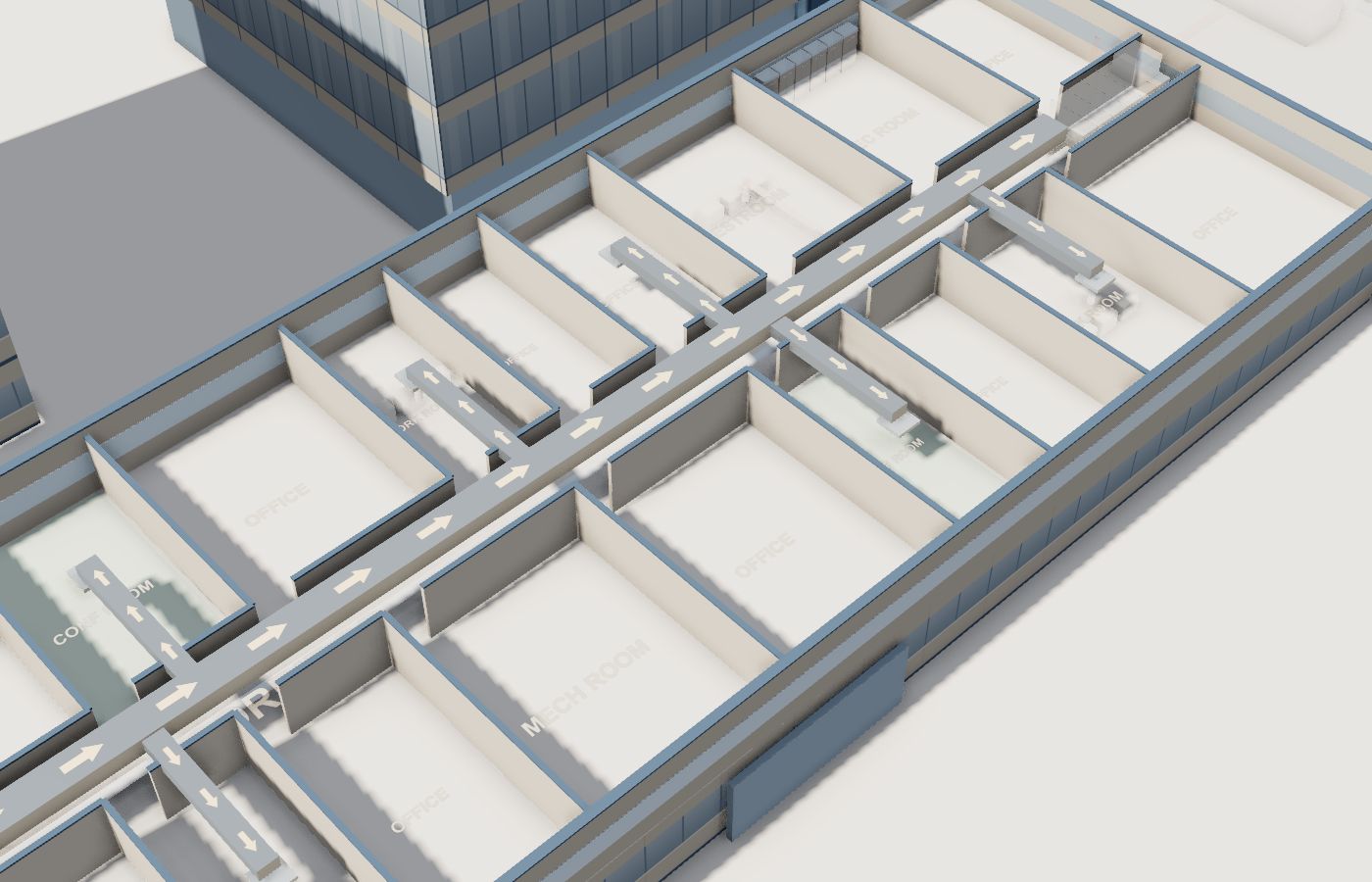
A finding, the standard behind it and a costed action.
Each site gets a plain language rating with a "why this rating" explainer. When outdoor air is mild, Aqueduct says so, because more fresh air is cheap right then.
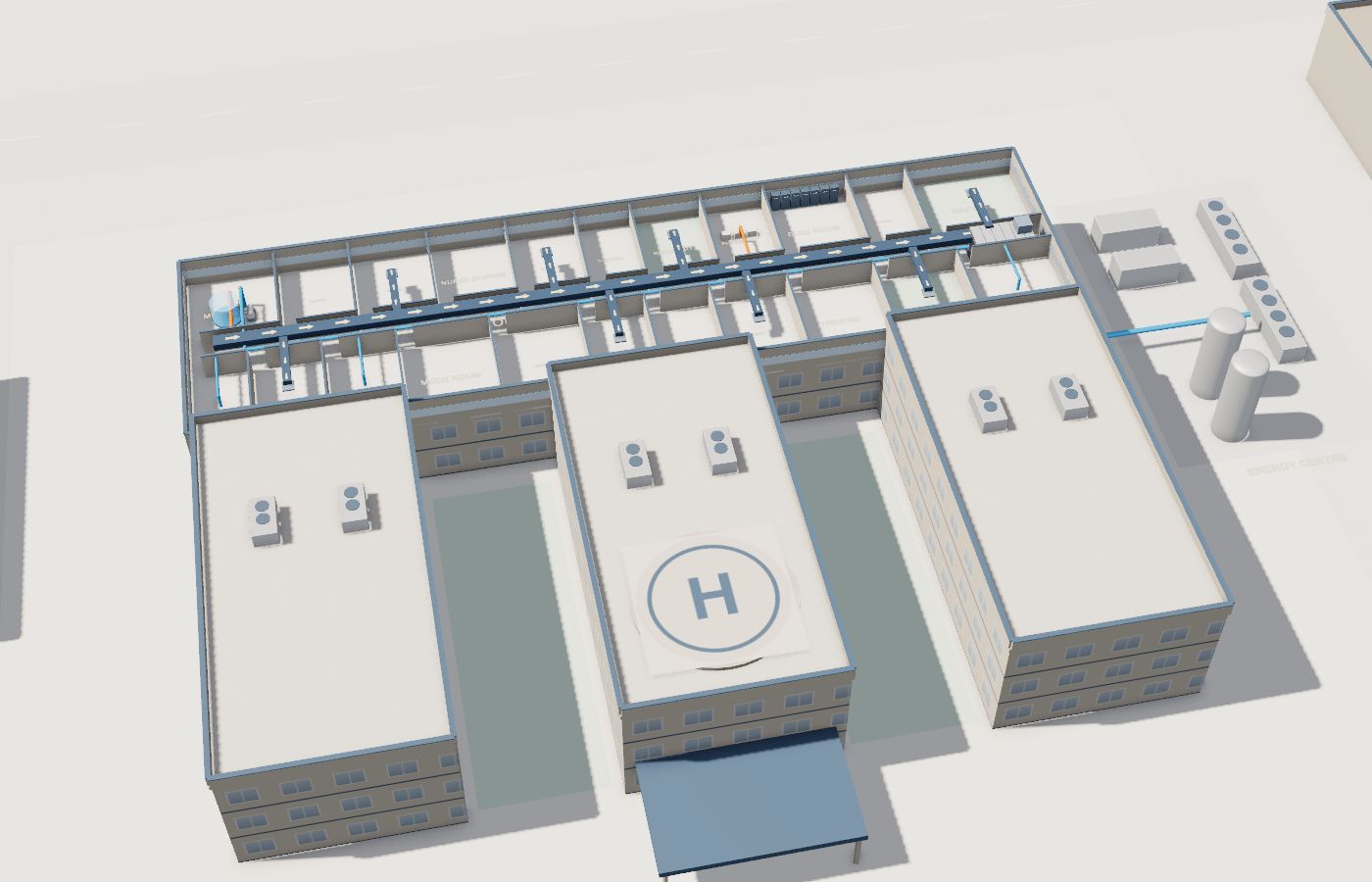
Continuous, not a snapshot.
Air quality results depend on the site. We publish verified numbers as live sites report them.
per zone, overlaid with occupancy.
so sustained exposure is caught, not just peaks.
Where teams put it to work
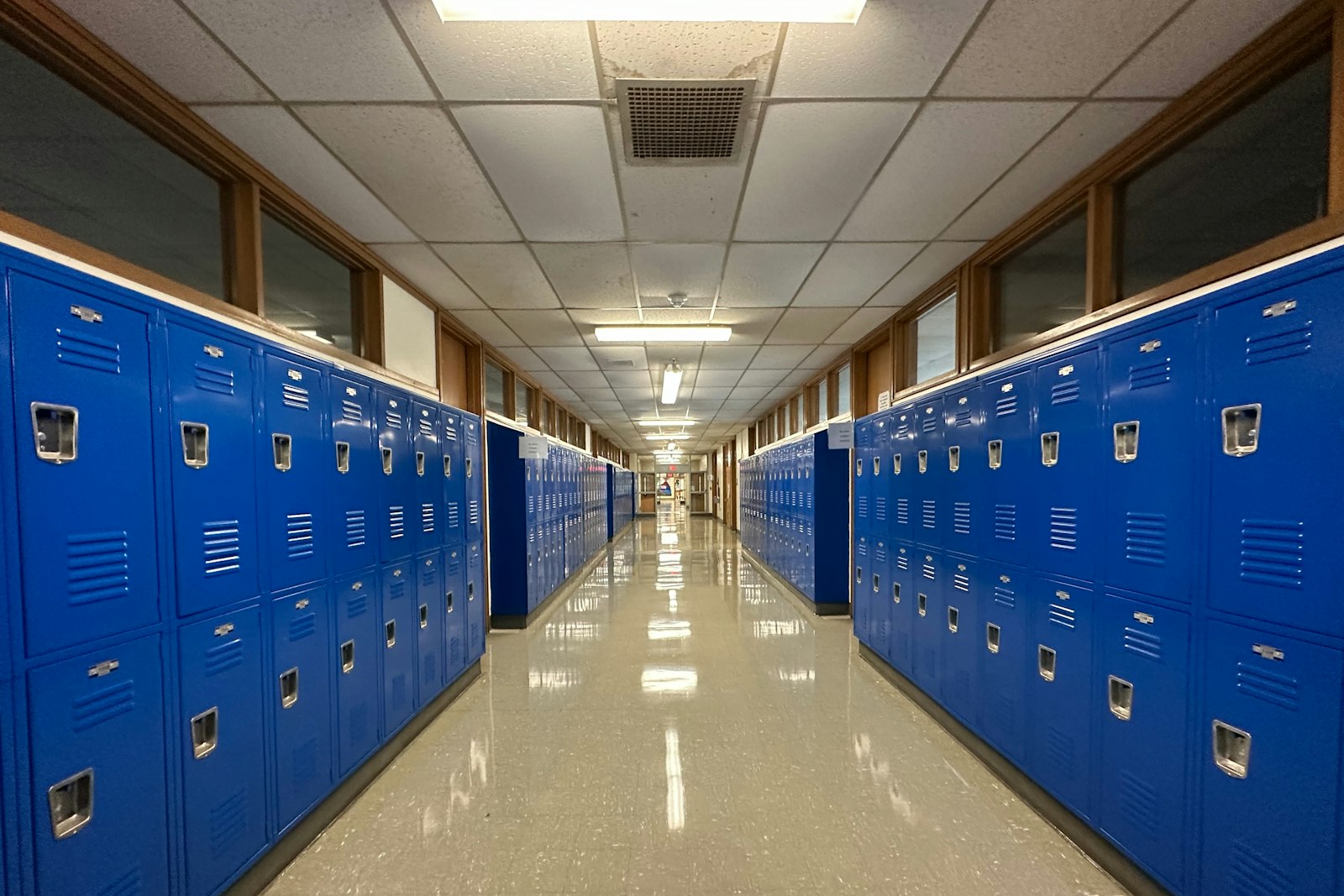
Classrooms with air that follows the timetable
CO2 and occupancy per classroom guide ventilation during lessons, so pupils get fresh air and empty rooms stop using energy.
Learn more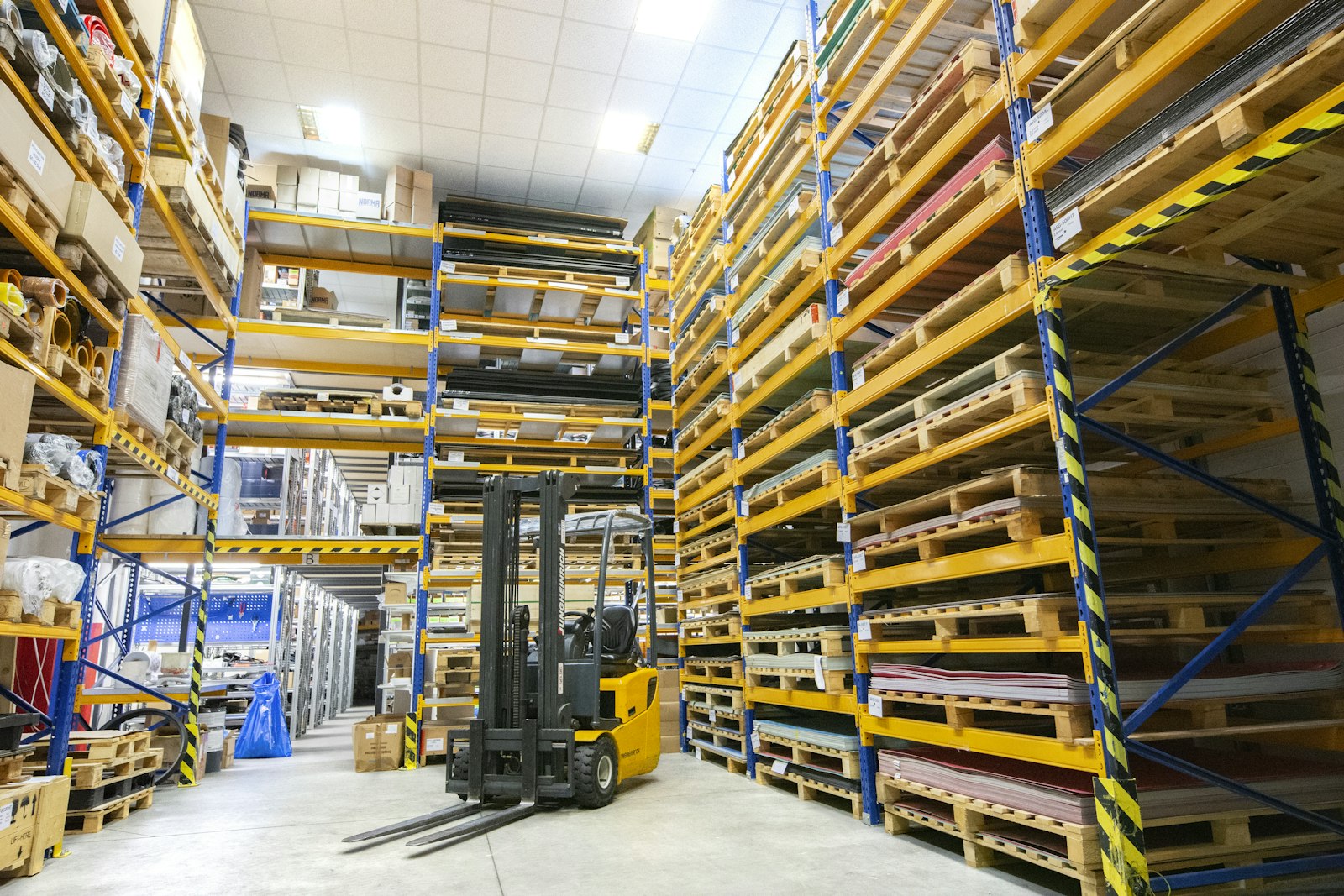
Air during the real shift
Particulates and CO2 are tracked while production and loading are actually running, so the source is traced to a process and fixed at the cause.
Learn more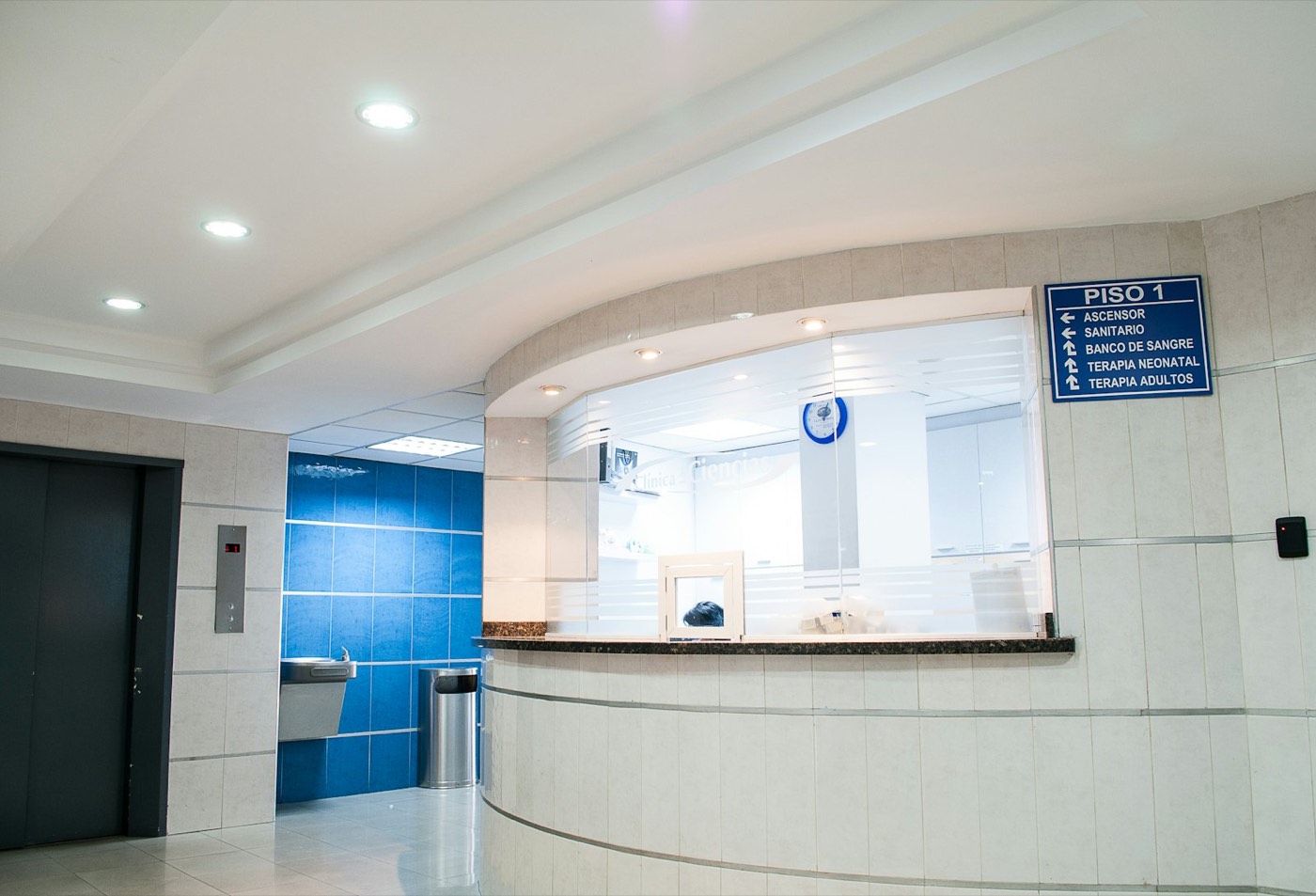
Waiting rooms and wards
Air in waiting rooms, wards and other high-traffic clinical spaces is tracked continuously, with findings routed to facilities before complaints begin.
Learn moreWater, energy, air and operations on one platform.
Common questions
Where there is a pattern, like a cafeteria at lunch or a nightly cleaning crew, yes. Events like a truck parking at a dock cannot be predicted, and we say so.
Any air quality sensor that emits telemetry. We do not sell sensors as our core business, and installation runs through partners.
Per air quality event type, identified by zone and site, with thresholds you set.
From temperatures or CO2. Outdoor air fraction equals mixed minus return, divided by outdoor minus return, using either temperature or CO2. The temperature method is unreliable when outdoor and return temperatures are close, which is when CO2 helps.
Not when it is set up properly. The area based minimum is never cut, ventilation boosts as occupancy rises, and CO2 exposure is reported next to every energy saving.
CO2 is a good proxy for people driven ventilation, but not for every pollutant. VOC, particulates and carbon monoxide are measured separately where sensors are fitted.
On measured pressure drop, from the AHU or from a linked sensor in a control cluster. A maintenance alert fires when the threshold you set is crossed.
It depends on outdoor conditions. Bringing in fresh air on a mild day costs little, and on a hot humid day it costs a lot, which is why Aqueduct reads outdoor conditions before recommending more ventilation.
See Aqueduct on your own facility.
Bring a site, a utility bill or a question. We will show you where the loss is.