ASHRAE 90.1 controls and metering, proven in operation
ASHRAE 90.1 is the energy standard for buildings other than low-rise residential, and the basis for most US commercial energy codes. It covers envelope, HVAC, service water heating, power, lighting and controls. Aqueduct shows whether the required controls keep running after handover: schedules, setbacks, economizers and demand-controlled ventilation, plus metered energy by end use. Your engineer owns design compliance.
The controls designed into a building, still working long after handover.
Schedules, setbacks and economizers checked every day
- Run states tracked
Equipment running outside occupied hours is flagged against the schedule the building should follow.
- Economizer faults
Stuck dampers and disabled economizers are diagnosed from the unit's own states and outdoor conditions.
- Lockouts respected
Lockout warnings hold new commands while one is executing, which prevents short cycling.
Metering that splits energy the way the standard does
- End-use split
HVAC, lighting, plugs and services are metered as separate terms in the energy balance.
- Live single line
Sources, switchboard and feeders appear on one electrical twin, with loading against rated capacity.
- Peak demand
Demand peaks are recorded and loads can be sequenced so they do not all start together.
Modeled savings checked against measured consumption
- Normalized comparison
Actual use is compared with a weather-normalized baseline, so seasons do not distort the gap.
- Drift explained
When consumption rises above expectation, the finding names the feeder or unit responsible.
- Verified result
After a fix, the meter confirms the saving before anyone reports it.
Energy code performance, before and after Aqueduct
- Controls pass commissioning, then quietly get overridden.
- Economizers stick closed and nobody notices for a season.
- One utility meter hides which end use is rising.
- The energy model is never compared with real consumption.
- Setbacks vanish after a controller reset.
 The Aqueduct way
- Overrides and lost schedules are flagged the day they happen.
- Economizer faults are diagnosed and routed to your CMMS.
- HVAC, lighting and plug loads are metered separately.
- Measured use is compared with a weather-normalized expectation.
- Schedules are restored where control is enabled, with owner approval.
What ASHRAE 90.1 is and who it applies to
ASHRAE Standard 90.1 sets minimum energy efficiency requirements for the design and construction of new buildings, additions and major alterations, excluding low-rise residential. It is published jointly by ASHRAE and IES, updated on a three-year cycle, and adopted by reference in many US state and local energy codes. Green building programs, including LEED, use its Appendix G Performance Rating Method to compare a design against a baseline building.
The standard covers the building envelope, HVAC, service water heating, power, lighting and other equipment. Compliance can follow a prescriptive path or a performance path such as the Energy Cost Budget method or Appendix G. Its mandatory provisions include HVAC controls such as off-hour shutdown and setback, and recent editions include energy monitoring provisions for larger buildings.
Design compliance is checked at permit and commissioning. What the code cannot see is whether those controls are still working two years later. That is where Aqueduct supplies evidence.
ASHRAE 90.1 requirement areas and the evidence Aqueduct supplies
Operational evidence that the energy measures designed in are still delivering.
| Requirement area | Evidence Aqueduct supplies |
|---|---|
| Off-hour controls and setback | Equipment run states against occupancy schedules, with after-hours operation flagged |
| Economizers | Economizer and outdoor air damper states from connected RTUs and AHUs, with faults diagnosed |
| Demand-controlled ventilation | Zone CO2 and occupancy with the ventilation response recorded |
| Energy monitoring | Metered consumption by end use: HVAC, lighting, plugs and services, from sub-meters and the electrical twin |
| Service water heating | Gas and electricity to water heating metered, with hot water flow where meters exist |
| Performance path tracking | Actual consumption compared with a weather-normalized baseline, so the modeled design can be checked against reality |
How Aqueduct supplies 90.1 evidence in operation
The controls in the drawings, checked against what the equipment does.
Connect the equipment
RTUs, AHUs, chillers and VAV boxes connect through a field device network controller over BACnet or Modbus. Meters connect over LoRaWAN, Modbus, M-Bus or pulse outputs.
Model the RTU and the building
The equipment digital twin shows dampers, economizer, cooling, heating and fans as states, and the electrical twin balances sources against end uses.
Find what drifted
Setbacks overridden, economizers stuck closed, schedules lost after a controller reset. Each becomes a diagnosed finding routed to your CMMS.
Restore and verify
Where control is enabled, with owner approval, schedules and setpoints are restored. The meter confirms the energy result.
An energy code describes a building on day one. Operations decide the rest.
Talk to our teamWhat stays with your engineer and the authority
Aqueduct is not a code compliance tool for design.
Design and permit documents
Envelope, lighting power and equipment efficiency compliance are shown by the design team at permit.
Energy modeling
Appendix G and Energy Cost Budget models are prepared by energy modelers. Aqueduct supplies measured data to compare against them.
Commissioning sign-off
Commissioning agents and the authority having jurisdiction confirm compliance. Aqueduct keeps the operational record afterward.
Related standards
Often referenced with 90.1.
Where teams put it to work
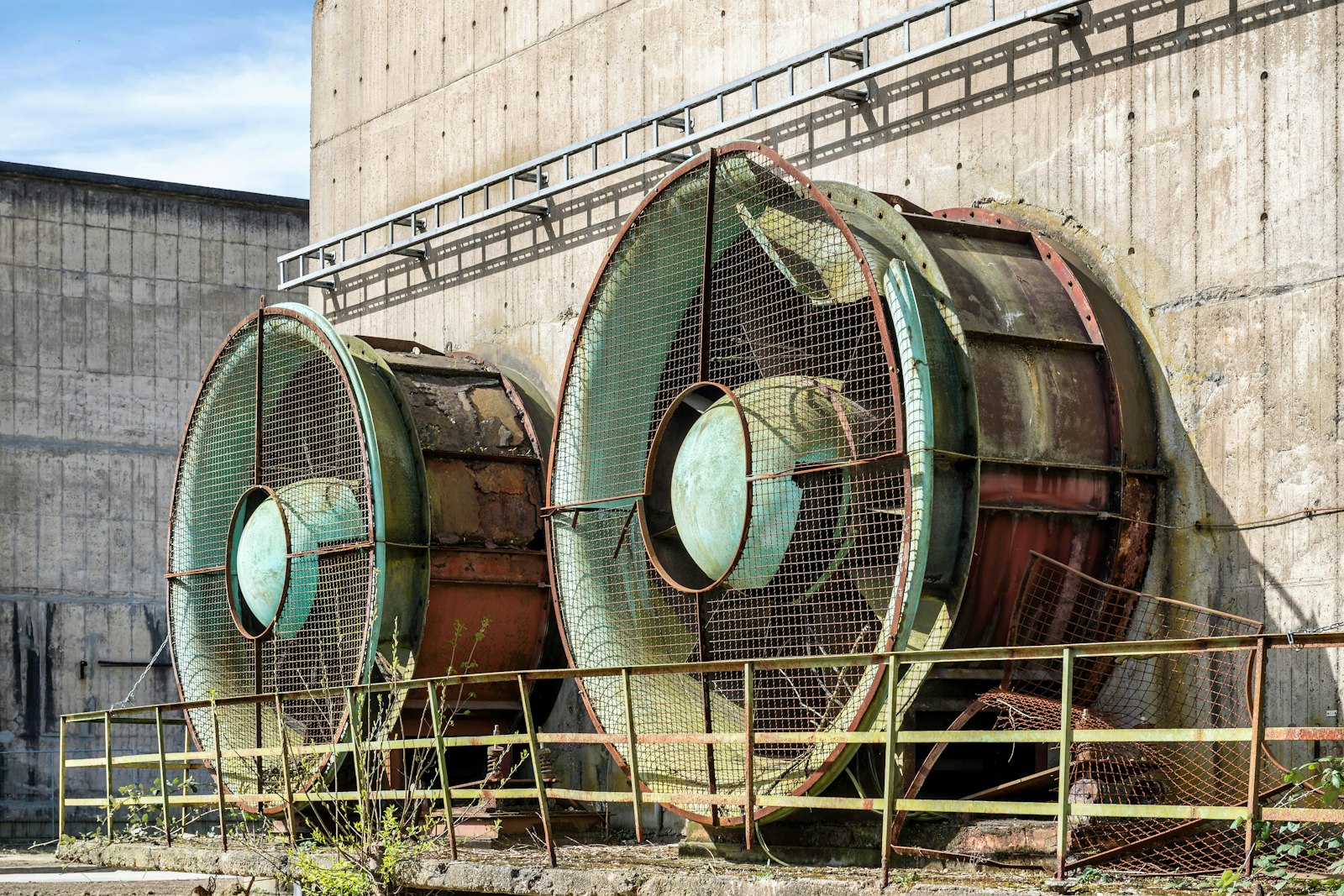
Rooftop units on a schedule again
Rooftop units often run nights and weekends after a reset. Aqueduct flags the run against the occupancy schedule and routes the fix.
Learn more
Built in at design stage
Architects and MEP engineers can specify Aqueduct metering and controls paths at design, so 90.1 monitoring provisions have a platform from day one.
Learn more
Mechanical efficiency measured hall by hall
Data center sites track cooling and electrical performance against design values, hall by hall, with faults found and fixed.
Learn moreThe 90.1 provisions that drift after handover
ASHRAE 90.1 is checked at design and permit. The controls it requires, though, are exactly the ones that get overridden in year two. These are the sections worth watching in operation.
Section 6: HVAC controls
90.1 requires off-hour controls, setback, optimum start, zone dead bands and limits on simultaneous heating and cooling. Each is easy to defeat with an override that nobody removes.
- Equipment running outside schedules
- Heating and cooling active in the same zone
- Setbacks disabled after complaints
- Data needed
- schedules, setpoints and equipment state
- Source
- BMS points over BACnet
- Aqueduct
- sequence exceptions flagged per unit
Section 6: Air economizers
Where required, economizers must bring in outdoor air for free cooling when conditions allow. Stuck dampers and bad sensors turn them off without anyone noticing.
- Damper position against outdoor temperature
- Mixed air temperature consistency
- Economizer lockouts that never clear
- Data needed
- damper, outdoor and mixed air temperatures
- Source
- RTU and AHU controllers
- Aqueduct
- economizer faults by unit
Section 9: Lighting controls
90.1 requires automatic shutoff, occupancy sensing in many spaces and daylight responsive controls. Sub-metering lighting shows whether they work.
- Lighting load after hours
- Lighting load in unoccupied zones
- Daylight zones that never dim
- Data needed
- lighting load and occupancy
- Source
- lighting feeder sub-meters, PIR sensors
- Aqueduct
- after-hours lighting flagged
Section 8: Electrical energy monitoring
Recent editions require many buildings to measure and record electrical energy by end use, such as HVAC, lighting and plug loads, and to report it. That is a data system requirement, not just a meter.
- End-use sub-metering
- Interval recording and retention
- Reports building occupants can use
- Data needed
- energy by end use at interval resolution
- Source
- CT sub-meters on feeders
- Aqueduct
- end-use trends and reports
Appendix G: Performance Rating Method
Projects using the performance path model a proposed design against a baseline. Once occupied, measured energy shows whether the building runs as modeled.
- Measured EUI against modeled EUI
- End-use comparison where sub-metered
- Weather-normalized for a fair comparison
- Data needed
- measured energy by end use and weather
- Source
- meters and weather per site
- Aqueduct
- measured against modeled, normalized
Keeping a 90.1 building performing as permitted
For new buildings at handover, or existing buildings checking whether their controls still do what the code required.
Collect sequences and schedules
Pull the sequences of operation, schedules and lighting control narrative from the design and commissioning documents.
Connect BMS and sub-meters
Read controllers over BACnet or Modbus and connect end-use sub-meters for HVAC, lighting and plug loads.
Test controls in operation
Check schedules, setbacks, economizers and lighting shutoff against the data, and route each fault to maintenance.
Watch for drift
Sequence exceptions, setpoint attainment and after-hours load are tracked monthly so overrides do not become permanent.
ASHRAE 90.1 sections mapped to meters and sensors
Most points already exist in the BMS. Sub-meters fill end-use gaps.
| Section | What to measure | Meters and sensors | Aqueduct output |
|---|---|---|---|
| 5 Envelope | Heating and cooling response to weather | Zone temperature sensors, weather per site | Weather sensitivity per building |
| 6 HVAC off-hour controls | Equipment runtime against schedule | Fan and compressor status points | After-hours runtime |
| 6 Simultaneous heating and cooling | Heating and cooling valve or stage states | AHU and VAV controller points | Conflict alerts |
| 6 Economizers | Damper and air temperatures | RTU and AHU controllers | Economizer fault flags |
| 7 Service water heating | Heater energy and temperatures | Heater sub-meters, temperature sensors | Standby loss and schedule checks |
| 8 Electrical monitoring | Energy by end use | CT sub-meters on feeders | End-use trends and reports |
| 9 Lighting controls | Lighting load and occupancy | Lighting sub-meters, PIR sensors | After-hours and unoccupied lighting |
| Appendix G | Whole-building energy | Utility and sub-meters, weather | Measured against modeled EUI |
The 90.1 controls most often defeated in operation
Permanent overrides
A temporary override on an air handler becomes the new normal and the unit runs every night. Sequence exceptions make it visible.
Economizers locked out
A failed outdoor air sensor locks the economizer out, so mechanical cooling runs on mild days the design expected to cool for free.
Lighting left on
Occupancy sensors disabled or mis-set keep lighting on in empty spaces. Lighting sub-meters show load where nobody is present.
Sources2 references cited on this page
sites in 21 countries run on Aqueduct.
and 9 clinics in one of India’s top hospital chains.
US airport running water intelligence on Aqueduct.
of commercial real estate under Aqueduct.
FMCG manufacturing campus.
operations run on Aqueduct.




Related
Common questions
ASHRAE 90.1 is the energy standard for buildings except low-rise residential, covering envelope, HVAC, water heating, power, lighting and controls. Many US commercial energy codes adopt it by reference. Aqueduct helps show that its controls keep working in operation.
Compliance applies to new buildings, additions and major alterations in jurisdictions whose energy code references it, which covers most US commercial construction. The design team and the authority having jurisdiction confirm compliance; Aqueduct supplies operational evidence afterward.
Recent editions include energy monitoring provisions for larger buildings, recording consumption by end use. Aqueduct meters HVAC, lighting, plug and service loads and presents them on a live electrical digital twin. Check the edition your jurisdiction adopted for the exact rule.
Appendix G is the Performance Rating Method, which compares a proposed design with a baseline building model. It is used for performance compliance and by LEED. Aqueduct supplies measured consumption so modeled savings can be checked against what the building actually uses.
Aqueduct reads economizer, damper, fan and setpoint states from connected RTUs and AHUs over BACnet or Modbus. Faults such as a stuck economizer or an overridden setback are diagnosed and routed to your CMMS.
No. Aqueduct does not certify code compliance. It keeps the controls designed into the building working and verifies the energy result at the meter against a weather-normalized baseline.
It can replace or work with your BMS, BAS or EMS. Many sites keep the BMS and let Aqueduct read across it, act where control is enabled with owner approval, and verify the result.
The edition adopted by your state or city energy code at the time of permit applies. Adoption varies widely, so check with the authority having jurisdiction.
Monitoring requires measuring and recording energy by end use and making it available, not only installing meters. Aqueduct records and reports the data from the sub-meters.
An operator overrides a schedule or setpoint to fix a complaint and nobody removes it. Aqueduct tracks sequence exceptions so overrides are visible and can be reversed.
Yes. Enter the modeled annual or monthly energy and Aqueduct compares it with weather-normalized measured consumption, by end use where sub-meters exist.
See Aqueduct on your own facility.
Bring a site, a utility bill or a question. We will show you where the loss is.