ASHRAE 62.1 ventilation evidence, recorded zone by zone
ASHRAE 62.1 is the ASHRAE standard for ventilation and acceptable indoor air quality in buildings other than dwelling units. It sets minimum outdoor air rates and allows demand-controlled ventilation. Aqueduct records CO2, temperature, humidity and particulates per zone, tracks ventilation equipment states and verifies that demand-controlled ventilation holds air in range. Your engineer owns the design and compliance.
Ventilation that meets the design intent every occupied hour, with the record to show it.
Every zone reports, so no room hides behind an average
- Zone-level sensing
CO2, VOC index, particulates, temperature and humidity are recorded in each zone a sensor covers.
- Duration counted
Exposure is tracked in zone-hours, because a level held for an hour matters more than a spike.
- Occupancy overlaid
Air readings sit next to occupancy, so only occupied-hour problems rise to the top.
Demand-controlled ventilation you can see working
- Equipment states
Damper position, fan status and economizer state are read from connected AHUs and RTUs.
- Plain recommendations
Each finding names the zone, the guideline referenced and an action such as raising outdoor air.
- Owner approved control
Where control is enabled, ventilation targets change only with owner approval, and every command is logged.
Air back in range, energy cost counted, record kept
- Verified in range
After an action, the zone must return to its target band before the finding closes.
- Energy counted
The cost of extra outdoor air is shown, so air and energy are balanced rather than traded blindly.
- Exportable history
Per-zone records with min, max and average bands export for engineers and auditors.
Ventilation evidence, before and after Aqueduct
- Ventilation is proven once at commissioning, then assumed.
- One return air sensor stands in for every room.
- Outdoor air runs at full rate whether rooms are full or empty.
- A stuck damper is found when occupants complain.
- Air quality records are spot checks on a clipboard.
 The Aqueduct way
- Ventilation performance is recorded every occupied hour.
- Each zone reports its own CO2, particulates and VOCs.
- Outdoor air follows occupancy where control is enabled.
- Damper and fan faults are flagged and routed to your CMMS.
- Continuous zone records export whenever an engineer asks.
What ASHRAE 62.1 is and who it applies to
ASHRAE Standard 62.1, Ventilation and Acceptable Indoor Air Quality, covers spaces intended for human occupancy in commercial, institutional and other non-residential buildings. Residential dwelling units fall under a separate standard, ASHRAE 62.2. Many mechanical codes and green building programs, including LEED, reference 62.1 for minimum ventilation.
The standard gives procedures for designing ventilation, including the Ventilation Rate Procedure, which sets outdoor air by occupancy and floor area, and the Indoor Air Quality Procedure, which works from target contaminant levels. It also allows demand-controlled ventilation, where outdoor air is reset as occupancy changes, and includes operation and maintenance requirements for ventilation systems.
One point is often misread: 62.1 does not set an indoor CO2 limit. CO2 is used as a proxy for occupancy in demand-controlled ventilation. Aqueduct reports CO2 per zone for that reason, and references the specific guideline behind any rating it shows.
ASHRAE 62.1 requirement areas and the evidence Aqueduct supplies
Design compliance is the engineer's job. Aqueduct shows how the system runs once people are in the building.
| Requirement area | Evidence Aqueduct supplies |
|---|---|
| Outdoor air delivery | Outdoor air damper position and economizer state from AHUs and RTUs over BACnet or Modbus, where connected |
| Demand-controlled ventilation | CO2 and occupancy per zone with the ventilation response recorded, and air verified back in range |
| Occupancy assumptions | Occupancy from sensors or schedules, overlaid on zone air readings |
| Operation and maintenance | Fault findings on dampers, fans and filters routed to your CMMS, with closures read back |
| Air quality in occupied spaces | CO2, VOC index, PM2.5, PM10, temperature and humidity per zone, with exposure in zone-hours |
| Records | Per-zone history with min, max and average bands, exportable for engineers and auditors |
How Aqueduct supplies ventilation evidence
Awareness first, then action where control is enabled.
Sense every zone
Air quality sensors are placed per zone, the area a sensor speaks for, and report CO2, particulates, VOCs, temperature and humidity.
Overlay occupancy
A CO2 rise in an empty room is noise. Aqueduct aligns air readings with occupancy so the occupied hours stand out.
Explain the finding
The recommendation engine names the zone, the guideline behind the rating and a plain-language action such as raising outdoor air.
Act and verify
Where control is enabled, with owner approval, ventilation targets adjust. The zone is then verified back in range and the energy cost counted.
What stays with you and your engineer
Aqueduct records how air behaves. People own the design and the sign-off.
Ventilation design
Your mechanical engineer calculates outdoor air rates and selects the procedure. Aqueduct does not design ventilation.
Code and inspection
Compliance with the code your jurisdiction adopted is confirmed by the engineer of record and the authority.
Balancing and commissioning
Test and balance contractors and commissioning agents verify airflow. Aqueduct keeps the operational record afterward.
Related standards
Often used alongside 62.1.
Where teams put it to work

Meeting rooms that fill and empty
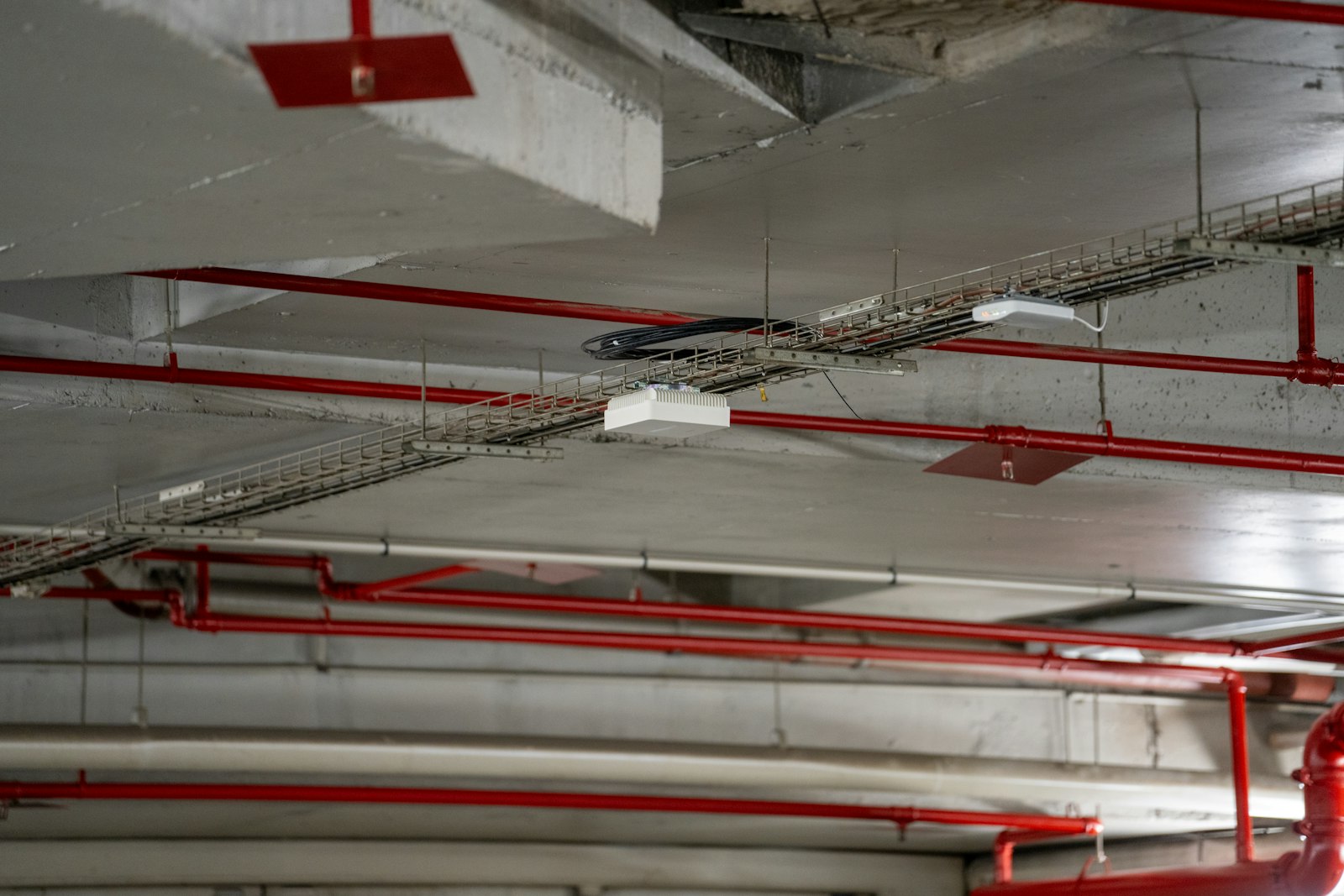
Conference rooms swing from empty to crowded in minutes. Zone CO2 with occupancy shows whether ventilation keeps up, and demand-controlled ventilation adjusts where enabled.
Learn more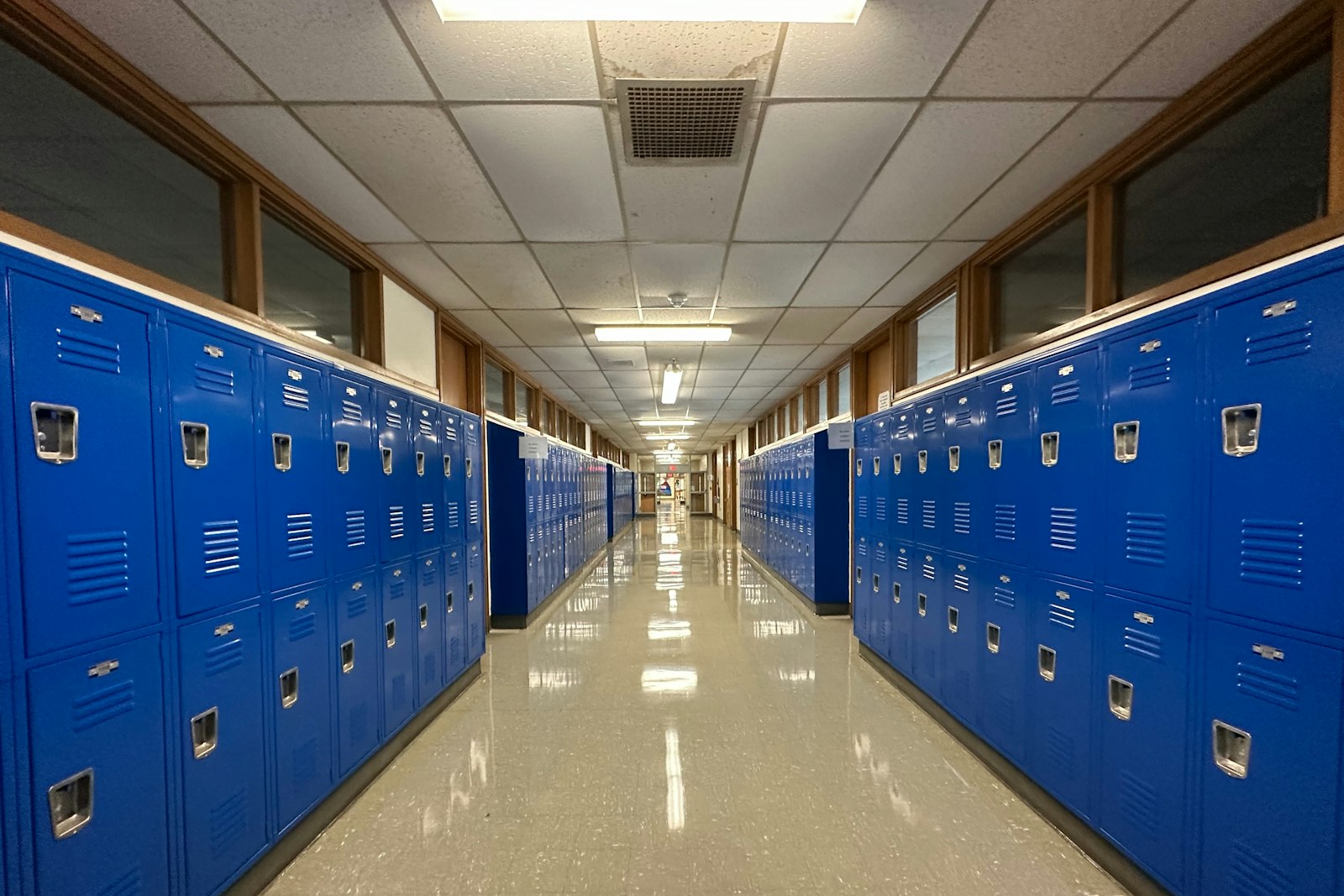
Classrooms ventilated for real occupancy
Classrooms are densely occupied for fixed periods. Aqueduct records each room's air and flags the rooms that drift during lessons.
Learn more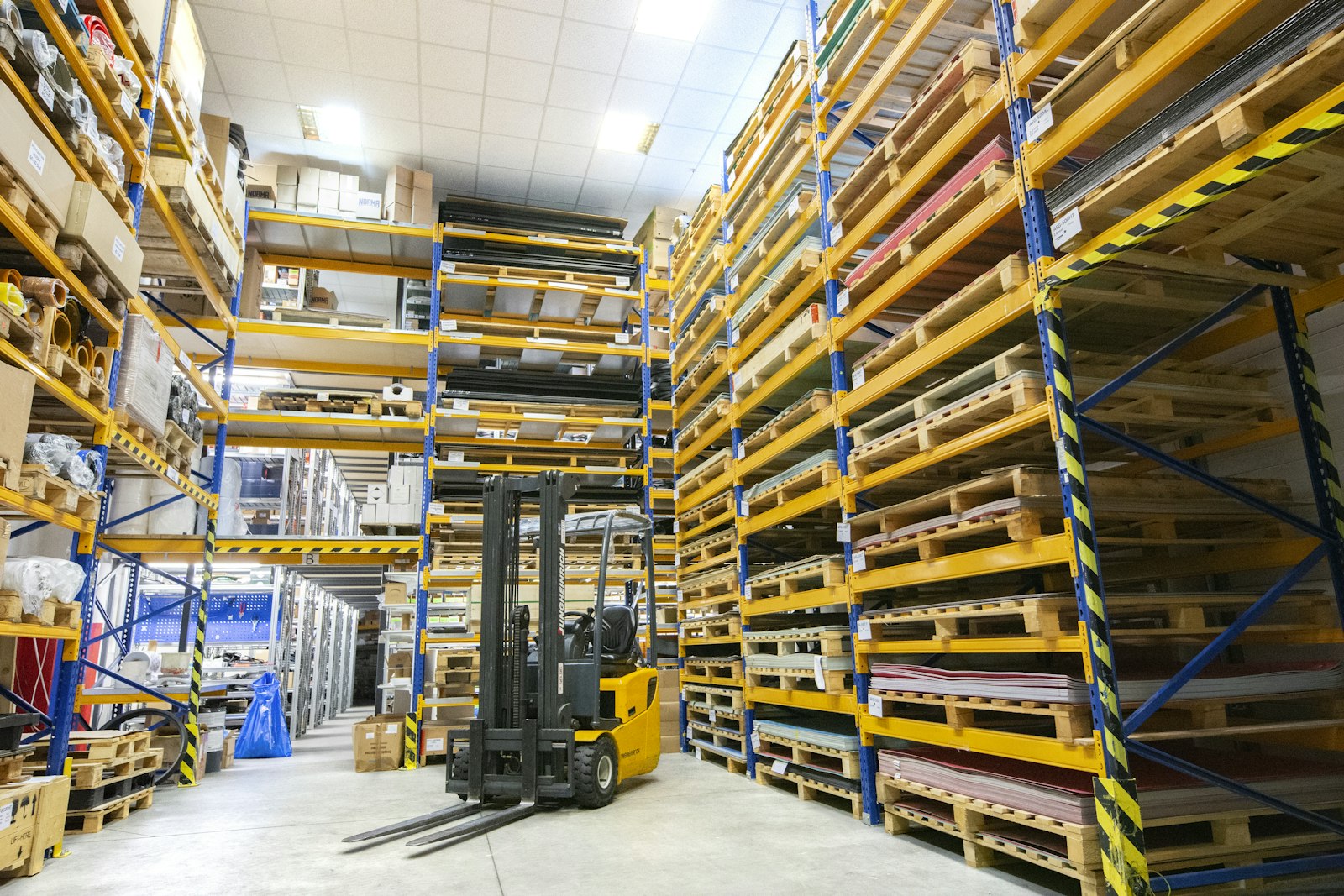
Idling vehicles and loading docks
High CO2 near docks can come from vehicles left running. Continuous records find the pattern, and vents can switch on from air readings where control is enabled.
Learn moreThe parts of ASHRAE 62.1 that live or die on measurement
ASHRAE 62.1 is mostly a design standard, but several of its provisions only hold up in operation if someone measures them.
Ventilation Rate Procedure outdoor air
The Ventilation Rate Procedure sets outdoor air from a people component and an area component per zone, then corrects for distribution effectiveness and system efficiency. In operation, the question is whether that outdoor air still arrives.
- Outdoor air damper position and airflow at the air handler
- Minimum outdoor air held during occupied hours
- Drift after controls changes or damper failures
- Data needed
- outdoor airflow against the design minimum
- Source
- BMS airflow stations and damper points
- Aqueduct
- minimum outdoor air tracked per unit
Demand-controlled ventilation
Where demand-controlled ventilation resets outdoor air on CO2 or occupancy, the standard expects the reset to keep the breathing zone supplied. Poorly placed or uncalibrated sensors are the common failure.
- CO2 per zone compared with the DCV sensor
- Occupancy sensing for the people component
- Alerts when CO2 rises while dampers sit at minimum
- Data needed
- zone CO2, occupancy and damper response
- Source
- AirSafe sensors and BMS points
- Aqueduct
- DCV checked against independent readings
IAQ Procedure
The IAQ Procedure lets a designer set outdoor air from contaminant targets rather than the rate table. It relies on knowing the contaminants and, in practice, on monitoring that the targets hold.
- Particulates, VOCs and CO2 per zone
- Targets entered per space type
- Exceedances logged with duration
- Data needed
- contaminant concentrations over time
- Source
- multi-parameter air quality sensors
- Aqueduct
- targets tracked per zone
Dehumidification and moisture
The standard addresses humidity limits in occupied spaces under certain conditions and moisture control to limit mold growth. Humid climates and over-ventilated spaces both need watching.
- Relative humidity per zone
- Dew point alongside outdoor conditions
- Time above your limit, per zone
- Data needed
- RH and temperature over time
- Source
- AirSafe sensors or BMS points
- Aqueduct
- humidity excursions by zone
Operations and maintenance
62.1 includes operations and maintenance requirements so ventilation keeps working after handover, including inspection of outdoor air dampers, filters and drain pans and keeping the system documentation current.
- Filter loading from pressure points where available
- Damper and fan faults routed to the CMMS
- Records kept by unit and period
- Data needed
- equipment condition and maintenance history
- Source
- BMS, CMMS
- Aqueduct
- fault alerts and closure records
ASHRAE 62.1 provisions mapped to meters and sensors
Use existing BMS points first. Add wireless sensors where a zone has no independent reading.
| Provision | What to measure | Meters and sensors | Aqueduct output |
|---|---|---|---|
| Ventilation Rate Procedure | Outdoor airflow per air handler | Airflow stations, damper position points | Outdoor air against minimum, per unit |
| Zone ventilation effectiveness | Breathing zone conditions | CO2 sensors at breathing height | Zone CO2 trends and peaks |
| Demand-controlled ventilation | Occupancy and CO2 per zone | CO2 and PIR occupancy sensors | DCV response checks |
| IAQ Procedure | Design contaminants | PM2.5, PM10, VOC and CO2 sensors | Concentration against targets |
| Humidity limits | Relative humidity and temperature | Temperature and RH sensors | Time above limit per zone |
| Outdoor air quality | Local outdoor conditions | Outdoor air quality or weather stations | Outdoor context for indoor readings |
| Operations and maintenance | Filter, damper and fan condition | Filter pressure points, fan status | Maintenance alerts and closures |
Getting ventilation evidence ready for review
A typical sequence for an office, school, hospital or campus that needs to show ventilation performance in operation.
Collect the design basis
Gather design outdoor air minimums, zone schedules and any DCV sequences from the mechanical drawings and commissioning reports.
Connect the BMS and place sensors
Read air handler and damper points over BACnet, and place CO2, temperature and humidity sensors in representative zones.
Compare design with operation
Check outdoor air minimums, DCV response and humidity against design, and route faults to maintenance.
Keep the record
Monthly zone reports show CO2, humidity and outdoor air performance, with excursions and fixes recorded.
Where ventilation evidence usually breaks
Outdoor air dampers stuck at minimum or closed
A failed actuator or a linkage that slipped leaves the unit recirculating. Zone CO2 climbs while the BMS still reports a healthy setpoint.
DCV sensors that drifted
A single CO2 sensor in the return duct, never recalibrated, decides outdoor air for a whole floor. Independent zone sensors show the gap.
Schedules that miss real occupancy
Air handlers start after people arrive or stop before they leave. Occupancy data shows the mismatch hour by hour.
Sources1 references cited on this page
sites in 21 countries run on Aqueduct.
and 9 clinics in one of India’s top hospital chains.
US airport running water intelligence on Aqueduct.
of commercial real estate under Aqueduct.
FMCG manufacturing campus.
operations run on Aqueduct.





Related
Common questions
ASHRAE 62.1 is the standard for ventilation and acceptable indoor air quality in non-residential buildings. It sets minimum outdoor air rates and procedures for designing ventilation. Aqueduct records how ventilation performs in operation, zone by zone.
No. ASHRAE 62.1 does not set an indoor CO2 limit, and CO2 is used as an occupancy proxy for demand-controlled ventilation. Aqueduct reports CO2 per zone and names the guideline behind any rating it shows.
Demand-controlled ventilation resets outdoor air as occupancy changes instead of ventilating for full occupancy all day. Aqueduct records CO2 and occupancy per zone, adjusts ventilation targets where control is enabled with owner approval, and verifies the zone stays in range.
Design compliance is shown by your engineer's calculations and commissioning. Aqueduct adds the operational record: damper and economizer states from connected equipment and air readings per zone, so you can show the system keeps working after handover.
Aqueduct is device agnostic and reads air quality sensors that report CO2, VOCs, PM2.5, PM10, temperature, humidity and occupancy, mostly over LoRaWAN. Installation runs through partners.
No. Dwelling units are covered by ASHRAE 62.2. ASHRAE 62.1 covers commercial, institutional and other non-residential spaces, which is where Aqueduct is deployed.
It can, which is why Aqueduct counts the energy cost of each ventilation change. Demand-controlled ventilation ventilates for actual occupancy, so air targets are met without running outdoor air at full rate all day.
Place them in the breathing zone of representative occupied spaces, away from doors, supply diffusers and people's direct breath. Duct-mounted return sensors show the average, not the worst zone.
The Ventilation Rate Procedure sets outdoor air from tabulated rates per person and per area. The IAQ Procedure sets it from target contaminant concentrations, which makes monitoring central to proving it works.
Healthcare spaces are covered by ASHRAE 170, which sets ventilation for those spaces. Non-clinical areas in hospitals often fall under 62.1. See our ASHRAE 170 page.
Aqueduct can trend damper position, mixed air temperature and zone CO2, which together indicate whether outdoor air is arriving. Airflow stations give a direct measurement where they exist.
See Aqueduct on your own facility.
Bring a site, a utility bill or a question. We will show you where the loss is.