Compressed air leak and steam trap monitoring that puts a cost on every loss
Compressed air leak monitoring measures how much air a plant makes when nothing needs it, and steam trap monitoring finds traps that fail open or closed. Aqueduct meters compressors, dryers, boilers, traps and condensate return, works out specific power and leak load, flags failed traps and blowdown drift, and routes each finding to your CMMS with a cost per month.
Every cubic foot of air and every kilogram of steam traced from plant room to use.
Leak load and specific power measured, not estimated
- Idle load measured
Air flow and compressor power during breaks and weekends show the leak load for each area.
- Specific power
kW per cfm is tracked continuously, so drift, poor sequencing and unloaded running show up.
- Priced per month
Leak load is converted to a monthly cost from your tariff, so repairs are ranked by value.
Failed traps and lost condensate found before the boiler pays
- Trap status
Temperature and acoustic signals show traps failed open, failed closed or cycling abnormally.
- Condensate return
Return flow and temperature show how much hot, treated water comes back to the feedwater tank.
- Boiler performance
Fuel per tonne of steam and blowdown are baselined, so efficiency drift is caught early.
Compressor and boiler auxiliaries maintained before they stop
- Vibration and sound
aQ PredictIQ reads vibration and new sound signatures on compressors, pumps and fans.
- Energy drift
A machine drawing more power for the same output is flagged as an early sign of failure.
- Scheduled through your CMMS
Maintenance is scheduled and routed into your CMMS before an unplanned stop.
Air and steam systems, before and after Aqueduct
- Compressors run all weekend to feed leaks nobody can hear.
- Leak surveys happen once a year, then leaks return.
- A failed steam trap is found when equipment floods.
- Condensate goes to drain and nobody measures how much.
- A compressor failure stops the line without warning.
 The Aqueduct way
- Idle load per area shows the leak cost every week.
- Leak load is tracked continuously between surveys.
- Trap failures are flagged from temperature or acoustic signals.
- Condensate return is metered and its cost made visible.
- Vibration and energy drift schedule maintenance before failure.
Two utilities that leak money all day
Compressed air and steam are expensive to make, invisible when they escape and rarely metered at the point of use.
Air made for nobody
Compressors keep running through breaks, weekends and idle shifts to feed leaks that nobody can hear over the plant.
Compressors unloaded, not off
A compressor running unloaded still draws a large share of its power while making no air.
Traps that fail quietly
A trap stuck open blows live steam to the condensate line. A trap stuck closed floods the equipment it serves.
Condensate sent to drain
Hot, treated condensate is dumped instead of returned, so the boiler pays again for water, chemicals and heat.
What Aqueduct measures in air and steam systems
Compressor controllers, boiler panels and meters are read over Modbus or BACnet where they exist. Sensors go in through partners where they do not.
| Asset | Measured | What Aqueduct derives |
|---|---|---|
| Air compressors | kW, run, load and unload state, discharge pressure, vibration | Specific power in kW per cfm, unloaded running hours, early signs of failure |
| Air headers and areas | Flow and pressure at the header and at area branches | Leak load during idle periods, pressure drop across dryers and filters |
| Boilers | Fuel use, steam flow, feedwater flow, blowdown, stack temperature | Fuel per tonne of steam, blowdown share, efficiency drift |
| Steam traps | Upstream and downstream temperature, acoustic signal where fitted | Traps failed open, failed closed or cycling abnormally |
| Condensate return | Return flow and temperature, feedwater tank level and make-up | Condensate return rate and the make-up water and heat it replaces |
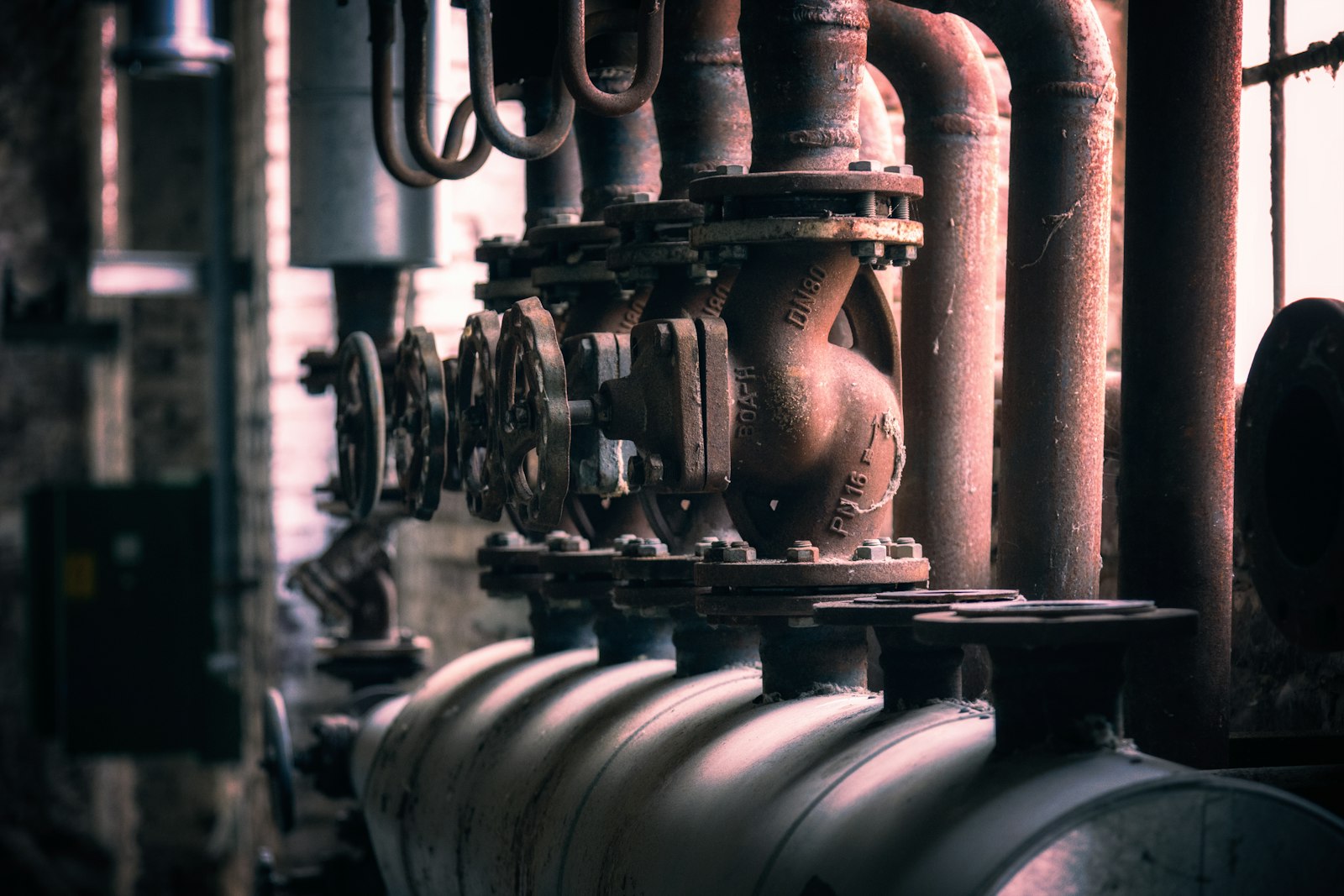
The cheapest compressed air and steam are the ones you never had to make.
Talk to our teamHow Aqueduct finds and prices air and steam losses
Monitor, Measure, Identify, Act, Verify, for the two utilities most plants never meter properly.
Meter supply and demand
Compressor and boiler output are metered at the plant room and at area branches, so supply and use can be compared.
Measure the idle load
Air and steam drawn when production is stopped are the clearest measure of leaks and failed traps.
Flag and price
Leak load, unloaded running and failed traps are flagged with the area and priced per month from your tariff and fuel cost.
Route the repair
Tickets go to your CMMS with the area, the trace and a recommended fix. Your team or contractor carries out the repair.
Verify the result
Idle load, specific power and condensate return are checked after the repair. The verified result becomes the new baseline.
Problem, solution, impact
Where air and steam monitoring pays back.
Compressors feeding leaks through every idle shift.
Idle period flow and power measured per area and priced.
Leak repairs ranked by cost, and each one verified at the meter.
Condensate dumped and replaced with treated make-up water.
Condensate return and boiler make-up metered into the water balance.
Recovered condensate counted as water and heat saved.
Compressor failures stop production without warning.
aQ PredictIQ reads vibration, sound and energy drift.
Maintenance scheduled before the failure, through your CMMS.
Where teams put it to work
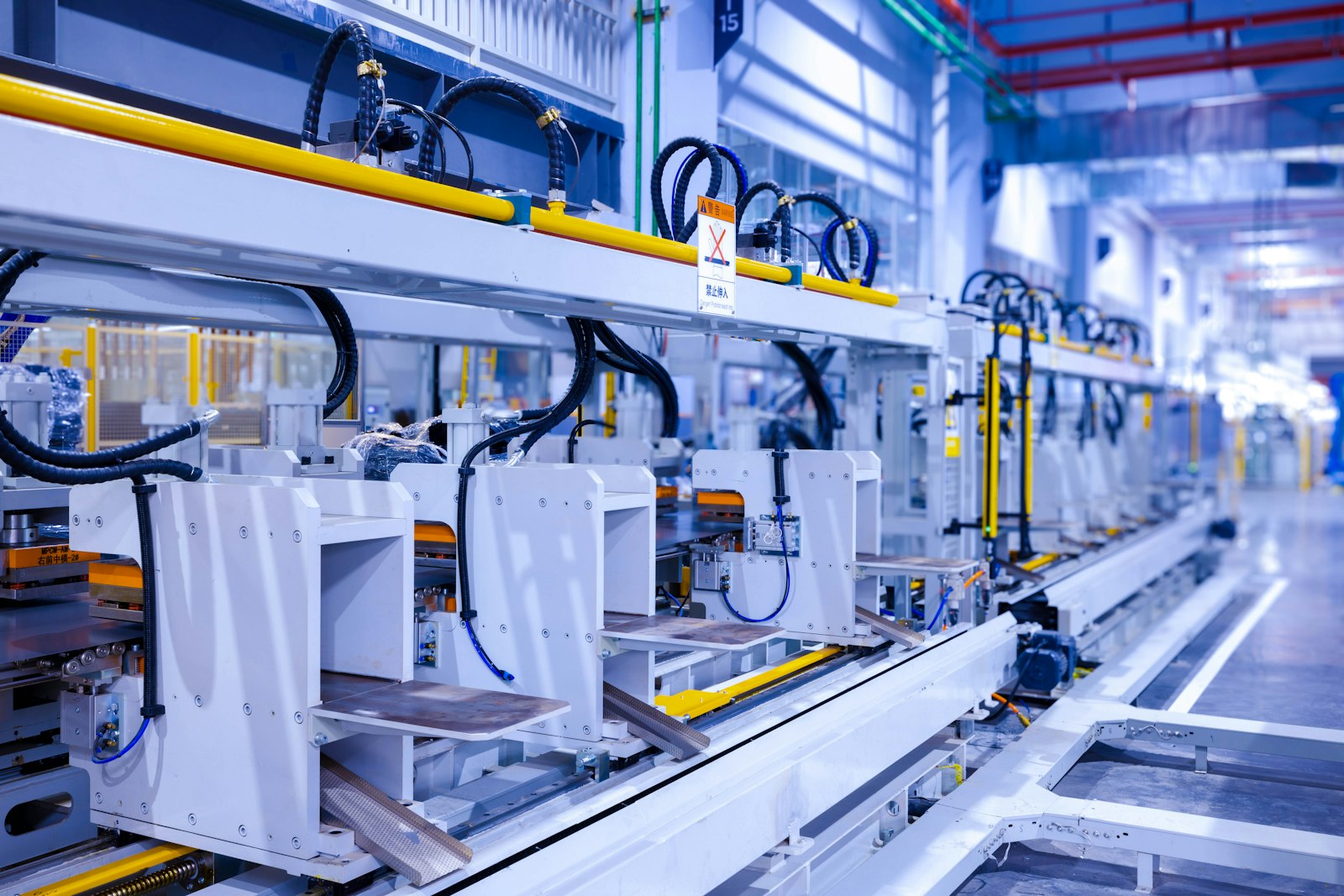
Air demand by shift, not by guess
Pneumatic packing lines are metered by branch, so the plant sees which shift and which line draws air when nothing is running.
Learn more
Steam per batch on cookers and refiners
Steam flow per batch on cookers, deodorizers and evaporators is baselined, so a failed trap or fouled exchanger shows as extra steam.
Learn more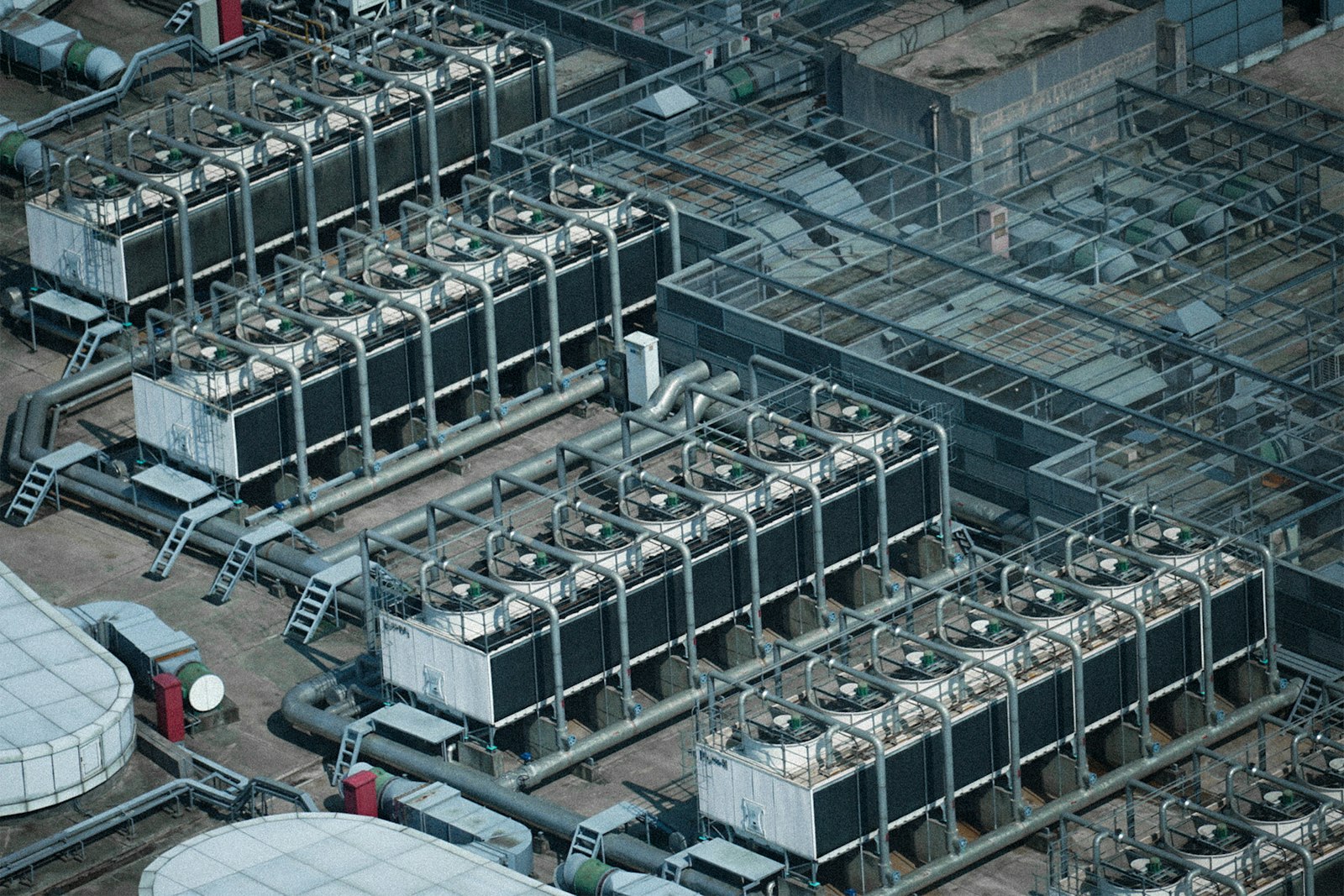
Fuel, blowdown and make-up on one record
Fuel per tonne of steam, blowdown and make-up water are tracked together, with condensate return counted as water and heat recovered.
Learn moreRelated
Common questions
The most reliable whole-system measure is the air flow and compressor power drawn when production is stopped, because any air used then is mostly leakage. Aqueduct measures that idle load per area and prices it, while ultrasonic surveys by your team or contractor pinpoint each leak.
kW per cfm, or specific power, is the electrical power a compressor system draws for each unit of air it delivers. Aqueduct calculates it continuously from compressor power and flow, so rising specific power shows drift, poor sequencing or a failing machine.
Temperature or acoustic sensors on each trap show whether it is passing condensate normally, blowing live steam or holding condensate back. Aqueduct reads those signals, flags traps that have failed open or closed and routes them to your CMMS.
Returned condensate is hot, already treated water. When it goes to drain, the boiler needs more make-up water, more treatment chemicals and more fuel to heat it. Aqueduct meters return flow so the cost of lost condensate is visible.
aQ PredictIQ reads early signs of failure such as rising vibration, a new sound signature and energy drift, and schedules maintenance before the failure. It does not claim a fixed accuracy, and the work is routed through your CMMS.
Where control is enabled, with owner approval, Aqueduct can schedule compressors and auxiliaries through a field device network controller over Modbus or BACnet. Boiler safety controls stay with the boiler's own control system.
Existing compressor controllers, boiler panels and meters are read first. Flow, pressure and temperature sensors are added through partners only where the plant is blind.
See Aqueduct on your own facility.
Bring a site, a utility bill or a question. We will show you where the loss is.