What is Milvian AI, and what is Aqueduct?
 Kishore PotruCo-Founder and CEO, Milvian AI
Milvian AI is the product company behind Aqueduct. Aqueduct (aQ) is facilities and infrastructure intelligence that acts, then verifies. Built on aQ Core, it connects meters, sensors, BMS points and equipment into one data layer, delivers water, energy, air and operations outcomes, routes fixes into your CMMS, controls equipment where enabled with owner approval, and confirms every saving at the meter.
The question nobody in the building can answer
Walk into a hospital, an office tower or a dairy plant and ask a simple question: how much water did this building lose last night, and where? Most of the time, nobody can tell you. Not the facility manager, not the engineer on shift, not the finance team that pays the bill. The answer exists somewhere, spread across a meter in the basement, a building management system in a locked room and a utility invoice that arrives weeks later.
That is strange when you think about it. Facilities are some of the most expensive and most instrumented assets an organization owns. They are full of equipment that uses water, burns energy and moves air every minute of the day. Yet the people responsible for them still find out about most problems after the money is gone.
We started Milvian AI because we kept hearing the same request in very different rooms. One customer wanted to talk about water. Another wanted to talk about HVAC, air quality or maintenance. Every conversation ended in the same place: tell me where I am losing money or resources, and help me do something about it. Aqueduct is our answer to that request.
Rome had this problem nearly two thousand years ago
Our product is named after the aqueducts of Rome, and not only because they carried water. They are a good picture of where most facilities are today.
By the end of the first century, Rome had built a network of aqueducts that brought water into the city from the hills. The engineering was extraordinary. The management was not. When Sextus Julius Frontinus became water commissioner in 97 AD, he found that nobody could say with confidence how much water entered the system or where it went. The records did not match the channels. Water leaked from damaged conduits and was diverted through illegal taps. The city had infrastructure, but it did not have intelligence about that infrastructure.
Frontinus did something simple and radical. He inspected the system, measured what came in and what went out, wrote down where the difference went, and went after the losses he found. Then he kept measuring, so the fixes stayed fixed. Measure, find the loss, act on it, confirm the result. That loop is the whole idea behind Aqueduct.
Why running a facility is still a mess
Most facilities today look a lot like Rome before Frontinus. The infrastructure is impressive. The intelligence about it is scattered.
A typical site runs a building management system for HVAC, a separate automation system for some equipment, an energy tool for the meters, a water supply with one meter at the inlet, a maintenance system for work orders and a spreadsheet that ties it all together for the monthly report. Each was bought to solve one problem. None of them was designed to work with the others.
The people who run facilities end up stitching data together instead of improving the building. They are blamed when something fails and rarely credited when something improves, because there is no shared record of what improved. The symptoms are familiar:
- The bill is the alarm If water use doubles overnight, most sites find out when the invoice arrives, long after the leak has been running.
- Alerts without action Systems flag faults, but someone still has to work out the cause, raise a ticket and chase the fix.
- Savings nobody can prove A project is said to save energy, but without a baseline that accounts for weather, nobody can tell whether it did.
- Water, energy and air in separate silos The ventilation change that improves air quality also changes the energy bill, and no single system sees both.
What Milvian AI is, and what Aqueduct is
Milvian AI is a product company. Our vision is autonomous facilities and infrastructure: every building, campus, plant and network running itself, knowing what is happening, acting on it and getting better over time. The industry is not there yet, and we say so plainly. Every part of what we build is a step toward it.
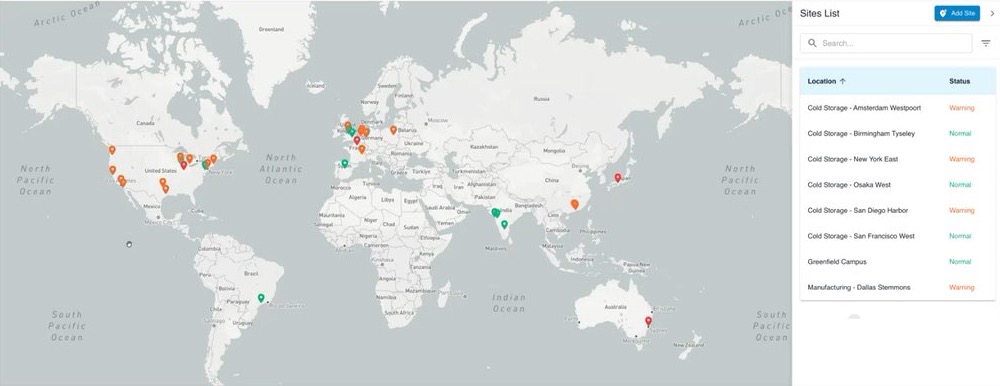
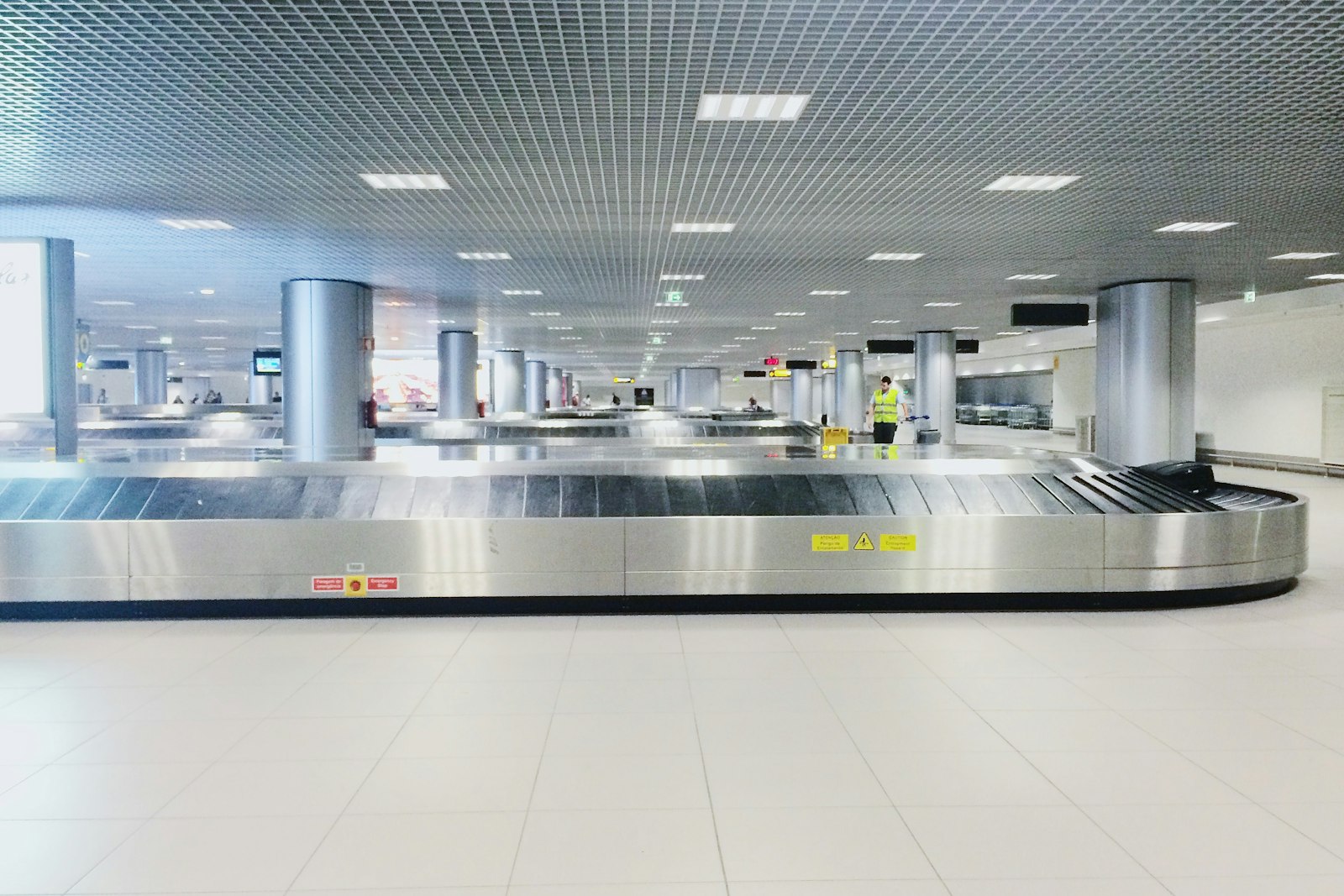
Aqueduct, or aQ, is our platform. It is facilities and infrastructure intelligence that acts, then verifies. It serves buildings, campuses, plants and airports, and the water and energy networks that feed them, in one place.
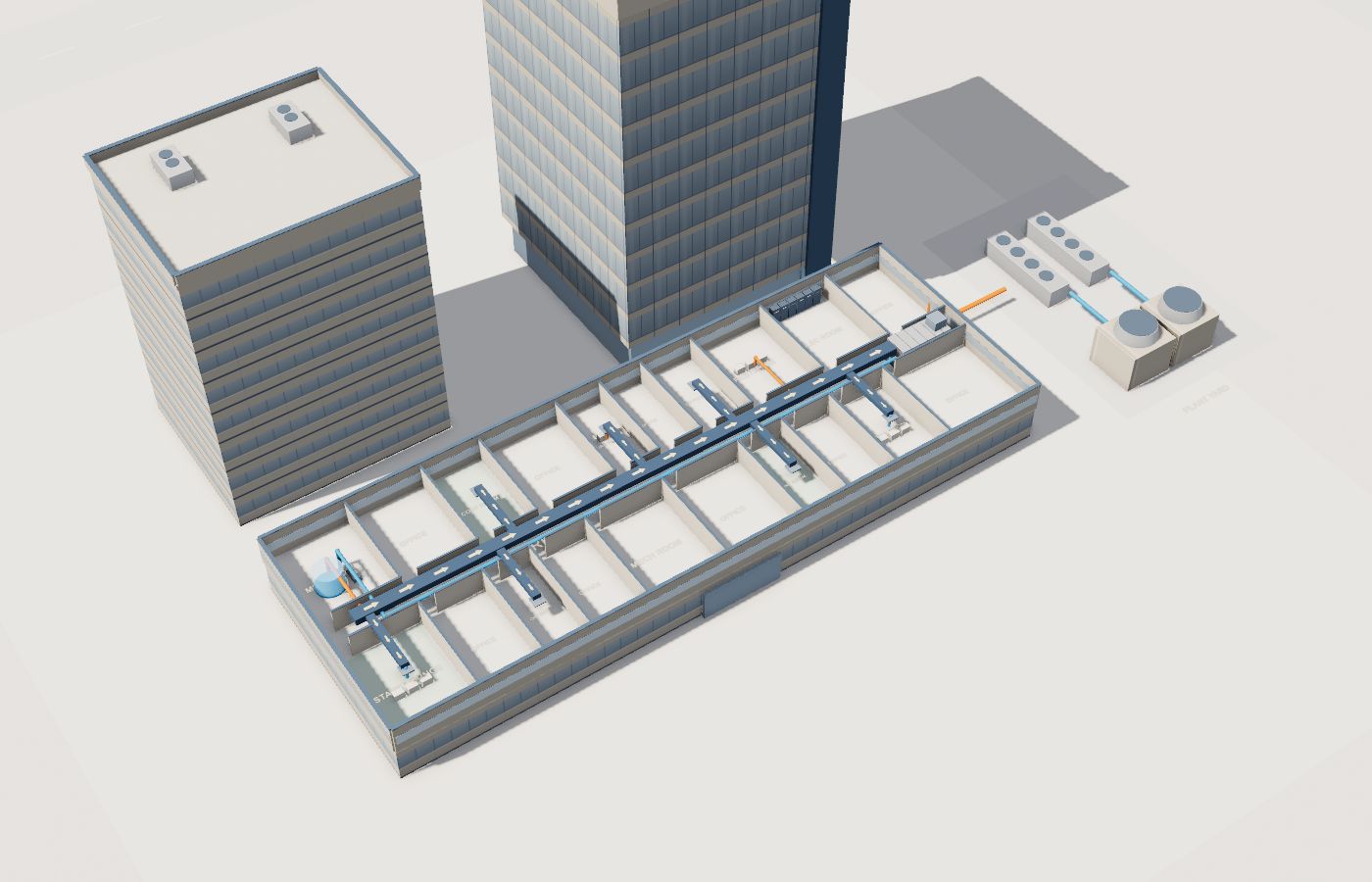
At the center is aQ Core, the brain and spine of the platform. Core knows every site, floor, zone and device a customer has. It connects meters, sensors, BMS and BAS points and equipment, collects their data at the right granularity and keeps it in one data layer. Everything else reads from that layer, including aQ Assistant, which lets an operator ask a question in plain language and get an answer drawn from live site data.
We lead with outcomes, not module names, because nobody wakes up wanting a module. On top of Core, Aqueduct delivers four outcomes with equal weight:
- Water intelligence Find every leak and loss, fix it, prove it. Powered by aQ WaterGuard.
- Energy efficiency Cut waste and demand, verified at the meter. Powered by aQ EnergySmart.
- Healthy air Hit air targets without burning energy. Powered by aQ AirSafe.
- Facility operations Faults found, diagnosed and fixed. Powered by aQ PredictIQ on aQ Core.
Monitor, measure, identify, act, verify, and again
Every outcome runs the same loop. We call it the flywheel, and it is the reason Aqueduct is more than a place to look at charts.
Most software in this space stops at Identify. It finds the problem and leaves the rest to a busy team. We weight Act and Verify, because a problem found but not fixed is just a more expensive way of knowing about it. Every verified result becomes the new baseline, so the loop starts again from a better building. That is how a facility moves, one cycle at a time, toward running itself.
- Monitor Connect the meters, sensors, BMS points and equipment a site already has, or the ones specified for it, with telemetry refreshing every 60 seconds.
- Measure Baseline water, energy and air by site, zone and asset, so every reading has something to be compared against.
- Identify Detect leaks, anomalies and equipment faults, and explain the likely cause in plain language instead of handing over raw data.
- Act Route a ticket into the customer's CMMS with a recommended fix and, where control is enabled, with owner approval, adjust setpoints and schedules directly.
- Verify Confirm at the meter that the fix worked and the saving is real, then feed that result back in as the new starting point.
Three things we do differently
Plenty of platforms collect building data. Three things set Aqueduct apart, and each one exists because customers asked us to prove something rather than just show it.
Together, they turn a facility from something you watch into something you can run with evidence.
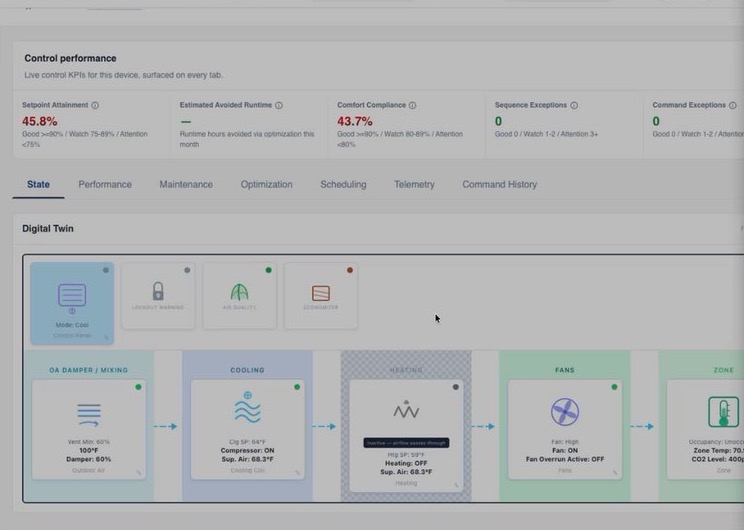
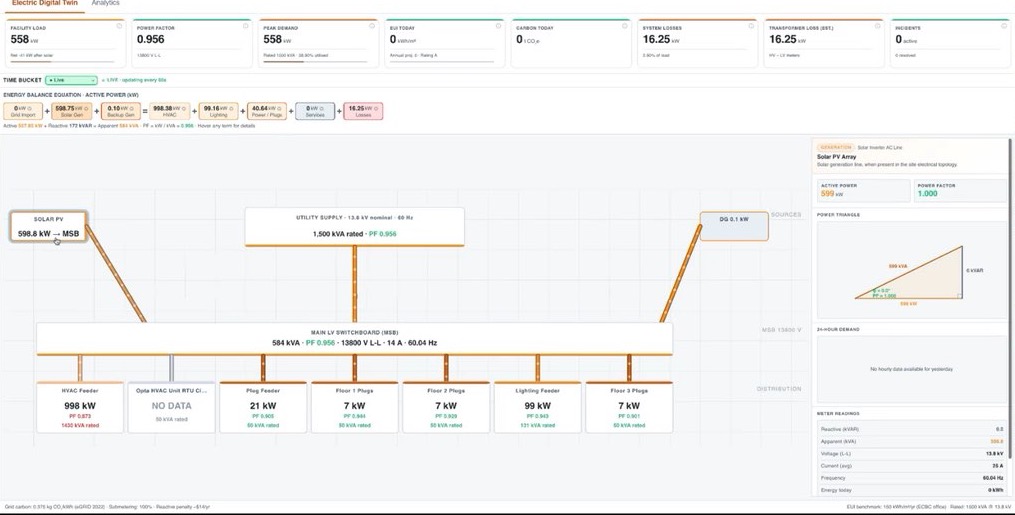
- Live digital twins, built block by block Aqueduct models the physical system behind the data. The water twin runs a balance equation, where main supply equals every floor, the fire system, treatment feeds and unaccounted loss. The electrical twin draws the single line from incoming supply down to each feeder. Each rooftop unit is modeled down to its dampers, compressor and fans. We build every twin to match what a site actually has, so unaccounted loss shows up as a number, not a guess.
- Weather-normalized baselining, with results from day one We model expected use from historical consumption plus cooling and heating degree days, so a hot month is not mistaken for waste and a mild one is not mistaken for savings. Customers who upload 6 to 12 months of utility bills get performance results on the first day instead of waiting a year. Rate configuration then turns the difference into money.
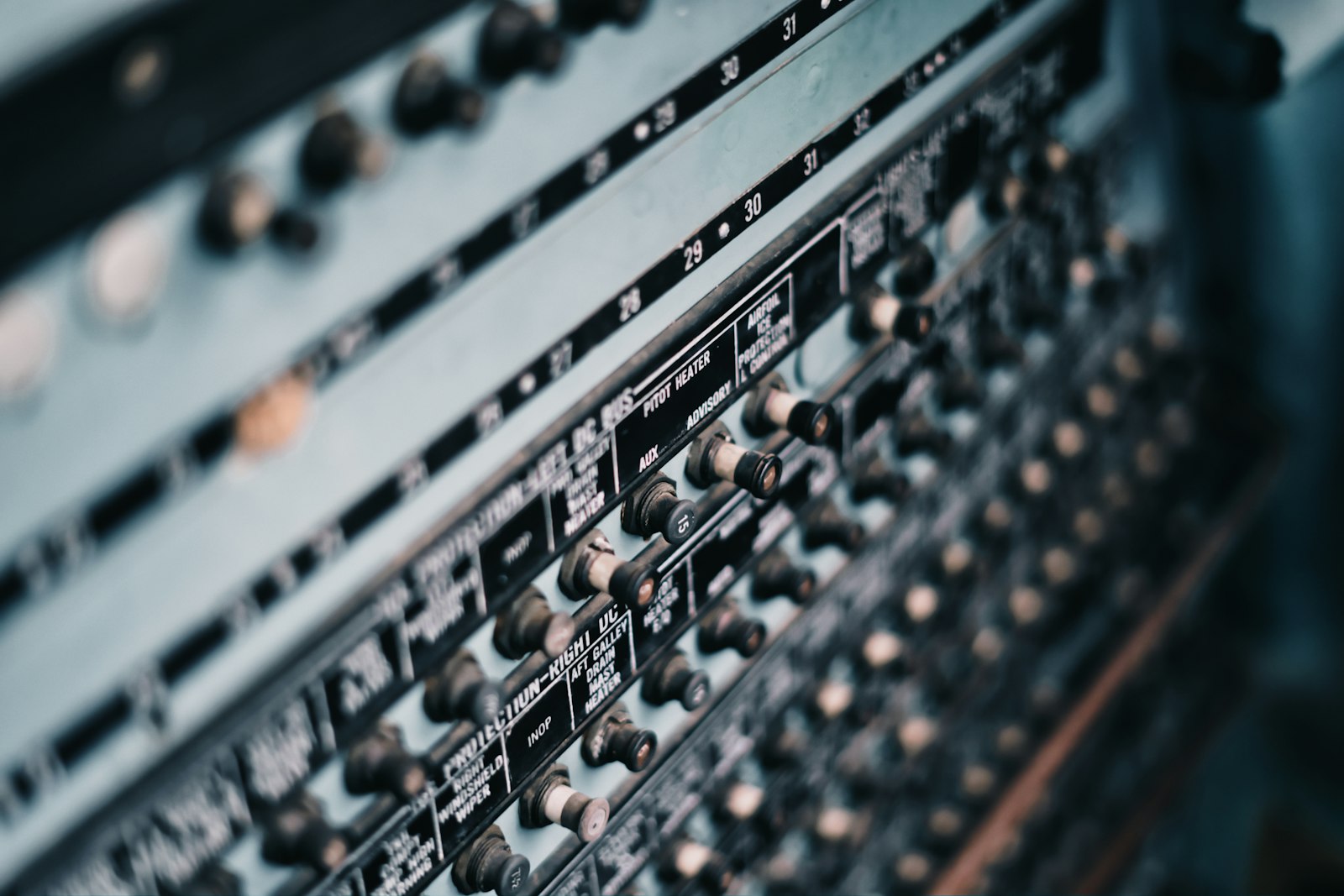
- Real control, with an audit trail Where control is enabled, with owner approval, Aqueduct can switch simple loads through LoRaWAN relays and work with air handlers, rooftop units, chillers and VAV boxes over Modbus or BACnet. Occupancy can drive automation rules. Every command is logged, so anyone can check what was sent, when, and whether the equipment carried it out.
Any door in: keep, replace or build
Facilities do not start from a blank page, and we do not ask them to. There are three equal ways into Aqueduct, and none of them is the right one for everybody.
Whichever door you choose, hardware installation runs through our partners. We are device agnostic and do not sell hardware as our core business. Aqueduct works over LoRaWAN, Modbus, BACnet, MQTT, M-Bus, pulse outputs, LTE, Wi-Fi and Ethernet, so it can usually start with the devices a site already has.
- Keep your BMS Aqueduct works across the systems you already run, reads their points and adds the intelligence and verification they lack.
- Replace your BMS Where a system is failing or out of support, Aqueduct can take over building management, automation, energy and water management in one platform.
- Build it in For new construction, architects and MEP engineers can specify Aqueduct at design stage, so the building opens with intelligence already in place.

What we are, and what we are not
Clear lines make a platform easier to buy, so here are ours. Aqueduct is not just another BMS, CMMS, IoT or AI company. It overlaps with each of them and combines what matters from all of them.
Trust matters as much as capability, because facility data shows how an organization really runs. Milvian AI's security and quality credentials include ISO/IEC 27001, ISO 9001:2015 and SOC 2 Type 2. We are an AWS Advanced Tier Partner and a member of the NVIDIA Inception program, and Aqueduct can run on-prem, with AI on NVIDIA infrastructure, where data cannot leave the site.
- We can replace your BMS, BAS, EMS and water management Or work across them, depending on what you run and what still works.
- We integrate with your CMMS, we do not replace it Your maintenance system keeps managing technicians, inventory and work orders. Aqueduct sends it the ticket with a recommended fix, then confirms at the meter that the fix worked.
- We work alongside SCADA For water and energy networks, Aqueduct reads network data, and control stays with SCADA.
- We use IoT, we do not make sensors IoT is how Aqueduct senses and acts. Partners supply and install the devices.
- We use AI, we are not an AI company AI is the method. The product is an outcome you can measure.
- We supply the metrics, we do not file the reports Aqueduct provides measured evidence for sustainability reports and certifications. You or your consultant file and certify.
Proven in live sites, and what we believe
Aqueduct is deployed in 275+ sites across 21 countries. Clients include a hospital chain with 22 hospitals and 9 clinics, a commercial real estate client with a 20M+ sq ft portfolio, and major dairy operations. Customers see 10 to 35% energy savings and up to 50% water savings, measured against a baseline and checked at the meter. We do not name customers without their written approval, and we do not publish savings we cannot measure.
We started with a simple belief. Buildings should run the way the best operators would run them if those operators could see everything, all the time, and had the hands to act on it. Rome's aqueducts served the city for centuries because someone finally measured them and kept measuring. Facilities deserve the same discipline, applied every minute instead of once in a generation.
That is what we mean by autonomous facilities and infrastructure. Not a building that ignores its people, but one that knows what is happening, fixes what it can with their approval, routes the rest to the right team and proves every result. Aqueduct is how we get there, one verified saving at a time.