Airport water management: one water balance across terminals, plants and tenants
 Milvian AI teamFacilities and infrastructure intelligence

Airport water management is the practice of measuring and controlling water use across terminals, central utility plants, tenants, irrigation and airside facilities. Aqueduct supports it by sub-metering the major uses, closing a live water balance so unaccounted loss gets a location, normalizing use by passenger activity and weather, routing fixes to the CMMS and verifying each at the meter.
Why airport water is hard to manage
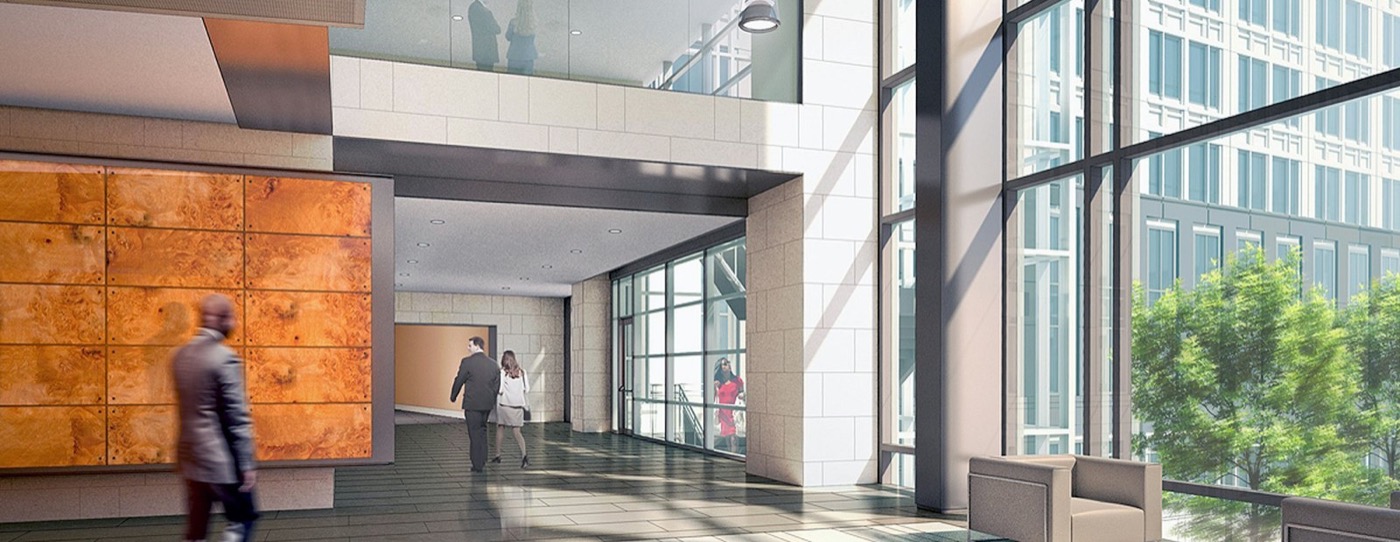
An airport is a small city that never fully sleeps. It has terminals with thousands of fixtures, a central utility plant with chillers and cooling towers, restaurants and shops run by tenants, landscaping, fire systems, maintenance hangars, rental car facilities and often its own water distribution network across a large site. Water enters at a handful of utility connections and leaves through all of them.
Most airports still see that water as a few monthly bills. The bills say how much the airport bought. They do not say whether the increase came from a heat wave driving cooling towers, a new concession, a busier schedule or a broken main under an apron. The bigger the site, the more places loss can hide, and the longer it can run before anyone notices.
Airport water management is the work of turning those bills into a measured system: knowing what each major use consumes, what it should consume given passenger activity and weather, and where the difference is going. Aqueduct verifies every water saving at the meter against a weather-normalized baseline, and the method starts with measurement rather than with a fixture retrofit.
Where water goes at an airport
Terminal restrooms are the most visible use. Their demand follows the flight schedule, peaking when banks of flights arrive or depart, which makes a simple time-of-day threshold useless for spotting problems. A running toilet in a quiet concourse at night can look like normal demand in a monthly total.
The central utility plant is often the largest single use. Cooling towers evaporate water in proportion to the heat they reject, and they lose more through blowdown, drift and overflow. A stuck make-up valve or poorly controlled blowdown can waste water every hour of every day, and the plant is rarely sub-metered well enough to show it.
Then come the tenants and the airside. Food and beverage concessions, lounges, hotels and rental car washes all use water, and many are billed by allocation rather than by meter. Irrigation runs on schedules that may not reflect rain. Aircraft potable water service, maintenance washdown and fire system testing add uses that are easy to forget. Underground distribution mains across a large site can leak for months without surfacing.

Airport water uses and what to look for
Each major use has its own pattern, and its own sign of loss.
| Use | Normal pattern | Sign of loss or waste |
|---|---|---|
| Terminal restrooms | Follows flight banks and passenger flow | Flow in a concourse when no flights are scheduled |
| Cooling towers | Follows cooling load and outdoor conditions | Make-up water out of step with load, or blowdown that never stops |
| Concessions and lounges | Follows opening hours | Flow after closing, or use far from the tenant's own usual range |
| Irrigation | Scheduled cycles in dry weather | Cycles during or after rain, or flow outside scheduled windows |
| Distribution mains | Sum of downstream meters | A steady gap between supply and downstream use |
| Fire systems | Near zero outside tests | Flow outside a scheduled test |
Close the water balance across the airport
The core tool is a water balance. Water in at the utility connections must equal water used plus water lost. When the main connections, the central plant, each terminal, the major tenants and irrigation are metered, the unaccounted remainder is the loss signal. In Aqueduct that balance is shown as an actual equation on the site's water digital twin and updates every 60 seconds from telemetry.
The twin is built block by block to match what the airport actually has. One terminal may have separate hot and cold distribution and a reverse osmosis unit, another may not. Concourses, plants and tenant areas each become blocks with their own flows. When the balance stops closing, the gap sits between specific blocks, which gives the loss an address before anyone is sent to look.
Existing meters usually carry much of the load. Meters with pulse outputs connect through LoRaWAN pulse counters, Modbus and M-Bus meters connect through bridges, and camera meters can read the face of an older meter. Where more metering is needed, installation runs through partners, and Aqueduct stays device agnostic.
Normalize for passengers and weather
An airport's water use should rise with passengers and with heat. A busy holiday weekend is not a leak, and a hot week is not waste if the cooling towers are doing their job. Comparing this month with last month, or this year with last year, mixes all of that together.
Aqueduct builds an expected baseline for each site and line by regression on historical use plus cooling and heating degree days, and it supports normalizing use per visitor and per square foot so terminals and sites can be compared fairly. Uploading 6 to 12 months of utility bills gives a baseline on day one. Use above the baseline is waste, use below it is saving, and rate configuration from the bills prices the difference.
For restrooms, the best test is often the quietest hour. When the schedule shows no flights in a concourse, flow should fall close to zero. Flow that persists points to running fixtures, stuck flush valves or a leak in that zone. Bathroom monitoring bundles add sound, occupancy and odor sensing, so running water in an empty restroom is flagged even when the meter is shared.
Tenants, recovery and fair billing
Concessions and other tenants are a real share of airport water use, and allocation by floor area or seats rarely reflects who actually uses it. A busy restaurant with a dishwasher running all day pays the same as a quiet shop next door. That is unfair to tenants and leaves the airport carrying costs it could recover.
Sub-metering tenant spaces turns allocation into measurement. Aqueduct's billing management generates bills from sub-meter data, flags use outside each tenant's own usual range and separates cost changes driven by usage from those driven by rate changes. Where a meter is shared, the airport sees the total and each tenant's share, while each tenant sees only its own.
Validating utility bills against the airport's own meters catches estimated reads and billing errors before they are paid. Across a large site with many connections, that check alone is worth running every month.
Act on loss and verify the fix
Finding loss is half the job. Aqueduct ranks each event by cost, routes a ticket into the airport's CMMS with the location, the flow trace and a recommended fix, and leaves the work order, technicians and parts in the CMMS where they belong. Where a controllable valve is connected and control is enabled, with owner approval, a valve can be closed remotely, and every command is logged.
Verification closes the loop. A repaired fixture or main is not counted as fixed until the meter shows the unaccounted flow back at its baseline. That verified result becomes the new baseline, so the next loss stands out against it.
The same measured data supports airport sustainability reporting, water programs and certifications such as LEED O+M, which the airport or its consultant files. Aqueduct provides the evidence.
Where to start
Start with the utility connections and the central plant, because they cover the most water with the fewest meters. Add terminal and concourse sub-meters next, then the largest tenants and irrigation. Run a night flow test on each block in the first weeks, because quiet hours give the cleanest signal and usually surface the first losses quickly.
Then make it routine. Each month, review the blocks that ran above baseline, the tenants outside their usual range and the bills that did not match the meters. Over time, the water balance becomes part of operating the airport rather than a project that ends.
Share the results beyond the facility team. Finance sees recovered tenant costs and validated bills, sustainability sees measured water figures for its reports, and operations sees which concourses and plant areas generate the most tickets. One measured system serves all three without separate spreadsheets.