The best energy management system for commercial real estate portfolios
 Milvian AI teamFacilities and infrastructure intelligence

The best energy management system for commercial real estate meters base building plant and tenant supplies separately, baselines every building against weather, ranks the portfolio on the same method, validates utility bills, recovers tenant costs from measured use, produces evidence for building performance standards and GRESB, and reads the existing BMS in each building instead of replacing it.
Why commercial real estate is a hard case for energy management
A commercial real estate portfolio is many buildings of different ages, sizes and climates, often with different BMS brands in each. The landlord pays for base building plant, chillers, boilers, air handlers, elevators and common area lighting, while tenants drive much of the load. Leases decide who pays for what, and recovery is often based on floor area rather than measured use.
Energy is a direct line in net operating income, yet most asset teams see it only as a monthly bill per building. Occupancy patterns have changed, so plant often runs a full schedule for a half-full floor. At the same time, building performance standards in several cities now attach penalties to measured emissions, and investors expect portfolio data in frameworks such as GRESB.
An energy system for this world has to work at two levels: the plant room in one building, and the asset manager looking at fifty.
What the best energy management system for commercial real estate must do
| Requirement | Why it matters in CRE | Question to ask a vendor |
|---|---|---|
| Base building and tenant split | Landlord cost and tenant cost need to be separated to protect NOI. | Can you separate base building plant from tenant supplies, including shared meters? |
| Weather-normalized portfolio ranking | Buildings in different climates cannot be compared on raw use. | Do you rank buildings against their own expected baseline? |
| Day-one baselines from bills | Asset plans cannot wait a year for data. | Can we upload historical bills and get a baseline immediately? |
| Tenant billing from measured use | Area-based recovery leaves the landlord carrying the difference. | Can you bill tenants from submeters, with each tenant seeing only their own share? |
| Bill validation | Supplier errors and rate changes go unnoticed across many accounts. | Do you compare supplier invoices with our own meter data? |
| Occupancy-aware HVAC | Plant often runs full schedules for partly occupied floors. | Can schedules follow measured occupancy where we approve it? |
| Reporting evidence | Building performance standards, GRESB and ENERGY STAR need traceable figures. | Can every reported number be traced to a meter and a method? |
| Mixed BMS estate | Each building may run a different controls vendor. | Which protocols and vendors do you read, and is it read-only by default? |
The categories asset and property teams compare
- Traditional BMSRuns each building's plant well. It is a single-building tool and rarely gives the asset manager a fair portfolio comparison.
- Standalone EMS dashboardsGood portfolio charts of bills and interval data. Many stop before tenant billing, diagnostics or control.
- IoT monitoring platformsQuick sensor installs for occupancy or comfort. Often disconnected from the plant and the lease.
- CMMS and EAMWhere property teams manage work orders and vendors. It does not price the energy behind a fault.
- Utility bill management servicesStrong at paying and auditing many invoices. Bills arrive monthly, so problems surface late and without a cause.
- Facility intelligence platformsPlant, tenants, bills and reporting on one data layer across the portfolio, with control where the owner approves it.
How to evaluate an energy management system for a portfolio
- Choose a representative samplePick two or three buildings that differ in age, BMS and tenant mix, and pull 12 months of bills and the lease recovery terms.
- Map meters to leasesList which meters are dedicated, which are shared and how each tenant is charged today.
- Ask for baselines from billsEach vendor should produce weather-normalized baselines and a ranked view from your historical data.
- Pilot metering and tenant billingFill submetering gaps, read the BMS and run one billing cycle in parallel with the current method.
- Judge on NOI, not chartsCompare verified savings, recovered tenant cost and bill errors found, all priced in your tariffs.
Evaluation scorecard for CRE energy management
| Criterion | Weight | What good looks like |
|---|---|---|
| Portfolio ranking | High | Every building against its own weather-normalized baseline |
| Tenant cost recovery | High | Bills from submeters, shared meters split, tenants see only their share |
| Bill validation | High | Supplier invoices checked against metered use |
| Reporting evidence | High | Traceable figures for BPS, GRESB and ENERGY STAR |
| BMS coverage | Medium | Reads mixed vendors over BACnet and Modbus |
| Occupancy-aware operation | Medium | Schedules follow measured occupancy where approved |
| Rollout effort | Medium | Wireless and clamp-on metering without tenant disruption |
| Data trust | Low | Device health and coverage shown per meter |
Integration and data across a CRE portfolio
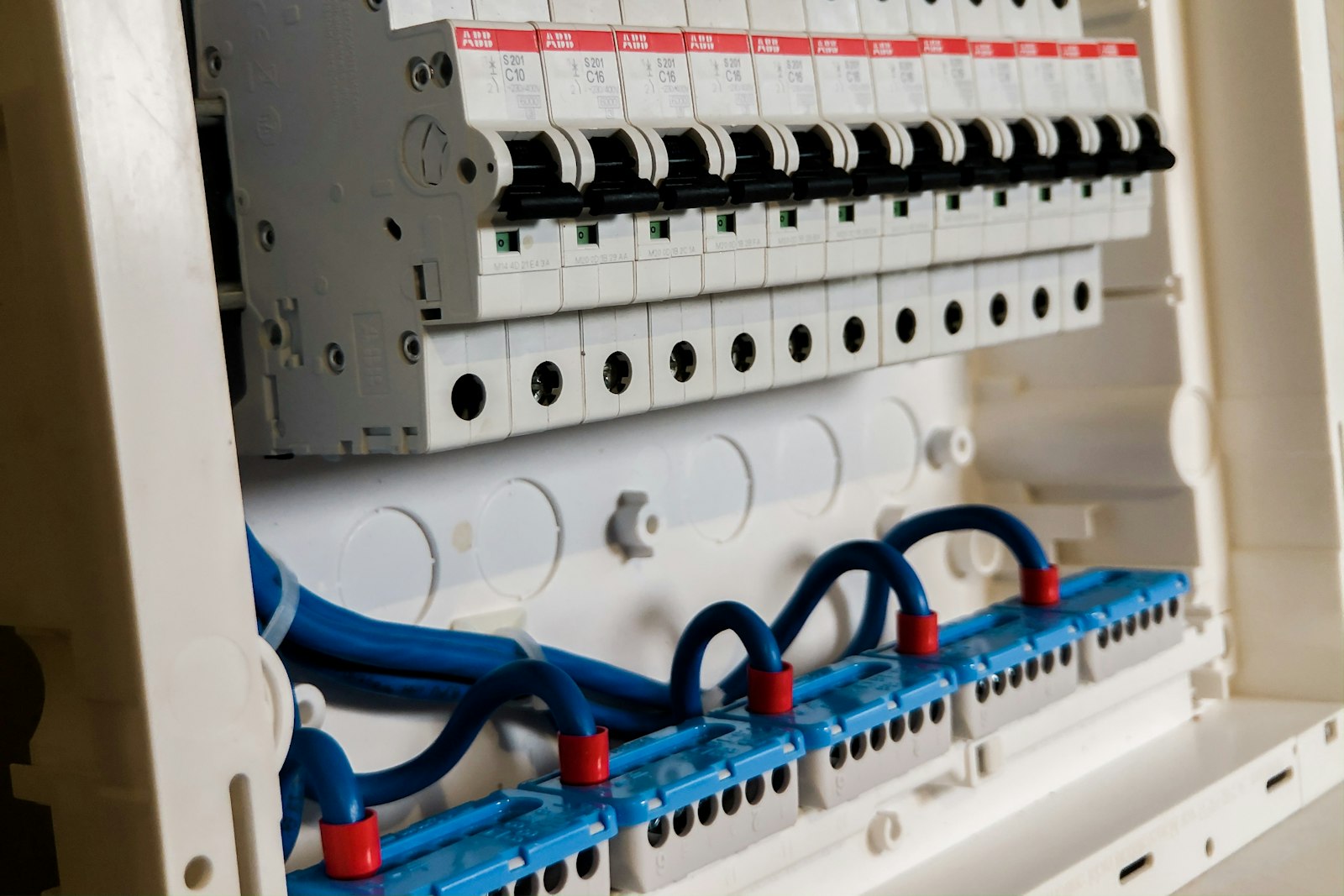
Keep the BMS in each building. The energy system reads them side by side over BACnet and Modbus so a 1990s tower and a new build sit on the same model. Add submeters where tenant supplies or base building plant are not separated, using clamp-on current sensors and LoRaWAN devices that avoid opening tenant ceilings.
Bill data comes in through uploads or utility feeds. Findings route into the property team's CMMS. Tenant billing data should export cleanly to the accounting system, with a permission model where a landlord sees the whole shared meter and a tenant sees only their own share.
Data quality matters more across a portfolio than in a single building. Ask how the system reports a meter that has gone quiet, a sensor with a failing battery or a month with patchy coverage. A ranked portfolio is only as fair as its weakest building's data, and asset managers should be able to see which numbers are complete before they act on them. The same rule applies to reports sent to investors or regulators.
Compliance and reporting in commercial real estate
Building performance standards, including New York's Local Law 97, set emissions limits per building with penalties for exceeding them. ENERGY STAR Portfolio Manager is the common benchmarking tool, GRESB covers investor reporting, and certifications such as LEED, BREEAM and WELL ask for measured performance. In Europe, CSRD raises the bar on disclosed data.
The energy system's job is to make each of those figures traceable to a meter and a documented method. The owner, verifier or program decides the outcome.
Where Aqueduct fits
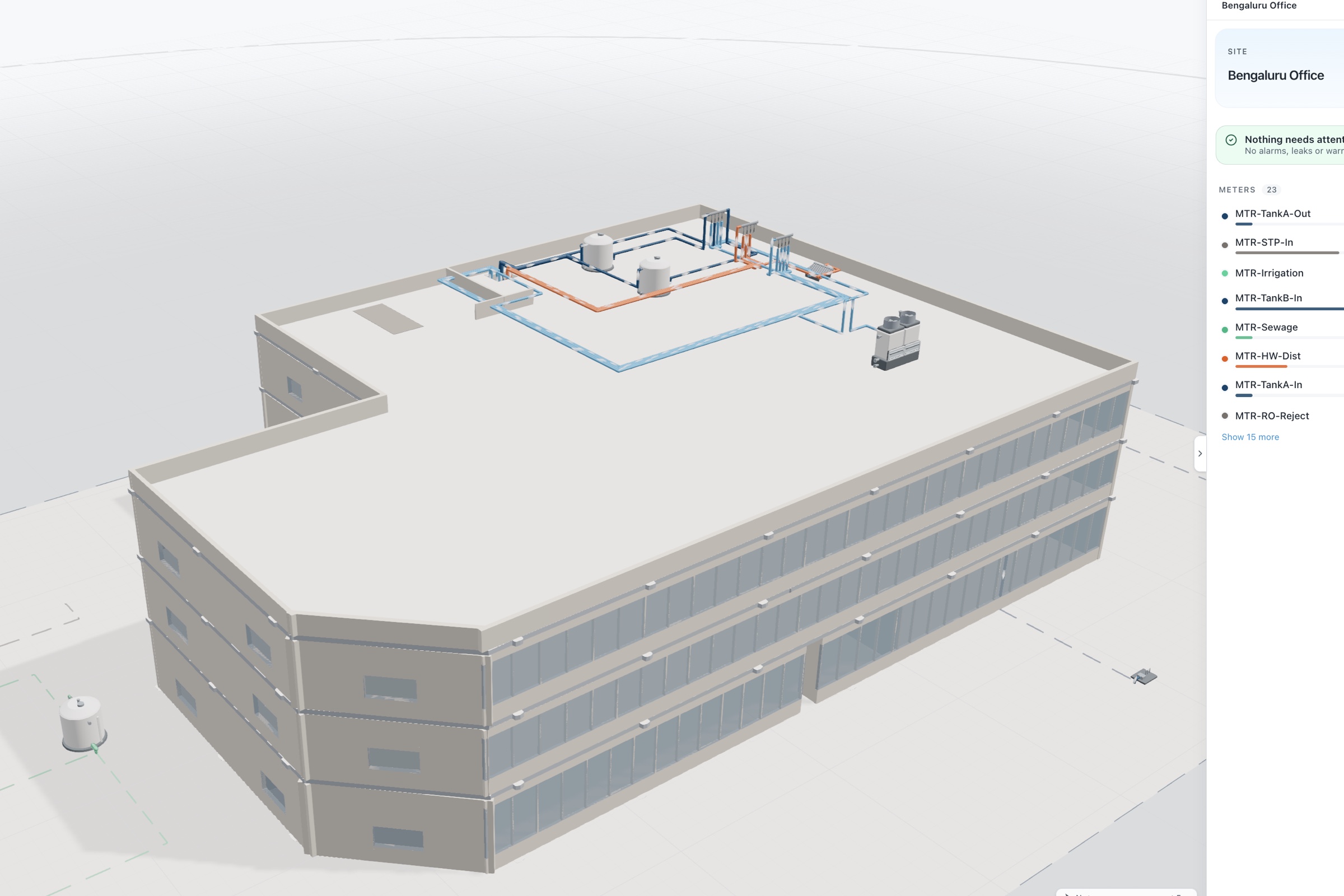
Aqueduct serves a commercial real estate developer with 20M+ sq ft. aQ Core holds every building as sites, floors, zones and devices. aQ EnergySmart baselines each building against cooling and heating degree days and ranks the portfolio on expected use, with day-one baselines from uploaded bills. Billing Management bills tenants from measured use, validates supplier invoices and separates usage changes from rate changes.
Owners can keep each BMS, replace failed meters, or build measurement into new developments. Where control is enabled, with owner approval, Smart Controls adjusts AHU and RTU schedules to measured occupancy through BACnet or Modbus field devices, and every command is logged.
A typical start is two or three buildings that represent the portfolio. Bills are uploaded for day-one baselines, each BMS is read, and submeters are fitted where tenant and base building supplies are mixed. One billing cycle runs in parallel with the current recovery method, so the asset team can compare the two before any tenant sees a change.