LoRaWAN pulse counters and splitters for the meters you already own
A LoRaWAN pulse counter reads the pulse output of an existing utility meter, where each pulse equals a fixed amount of energy or volume, and sends the count to the cloud. Aqueduct converts counts into consumption and rates such as kW, gas flow or water flow. A pulse splitter lets the BMS or EMS keep the same pulse output.

Bring existing meters online without replacing them or unplugging the BMS.
Existing meters become live data with a pulse counter
- No new meter
The meter stays in place, and the counter connects to its existing pulse output.
- Pulse constant applied
The cloud applies the pulse constant to turn counts into cumulative kWh, gallons or cubic feet.
- Rates included
Demand, gas flow or water flow are calculated from the change in count.
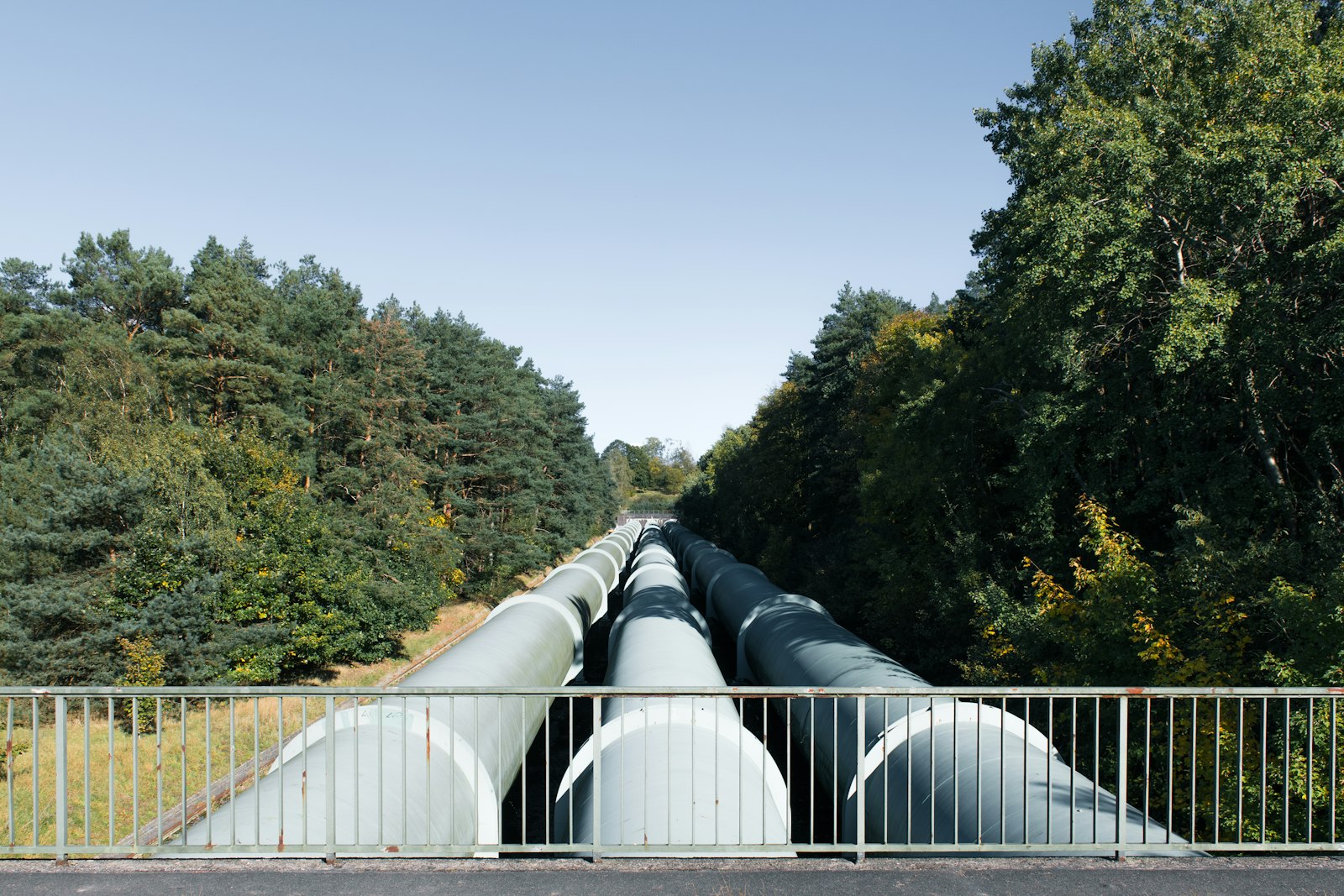
The BMS and Aqueduct read the same meter together
- Passive splitter
One pulse output is shared with no extra data points and no added load.
- Legacy kept
The existing BMS or EMS keeps receiving its pulses without interruption or any change to its setup.
- Added alongside
Aqueduct joins the site alongside legacy monitoring, without replacing any working metering infrastructure.
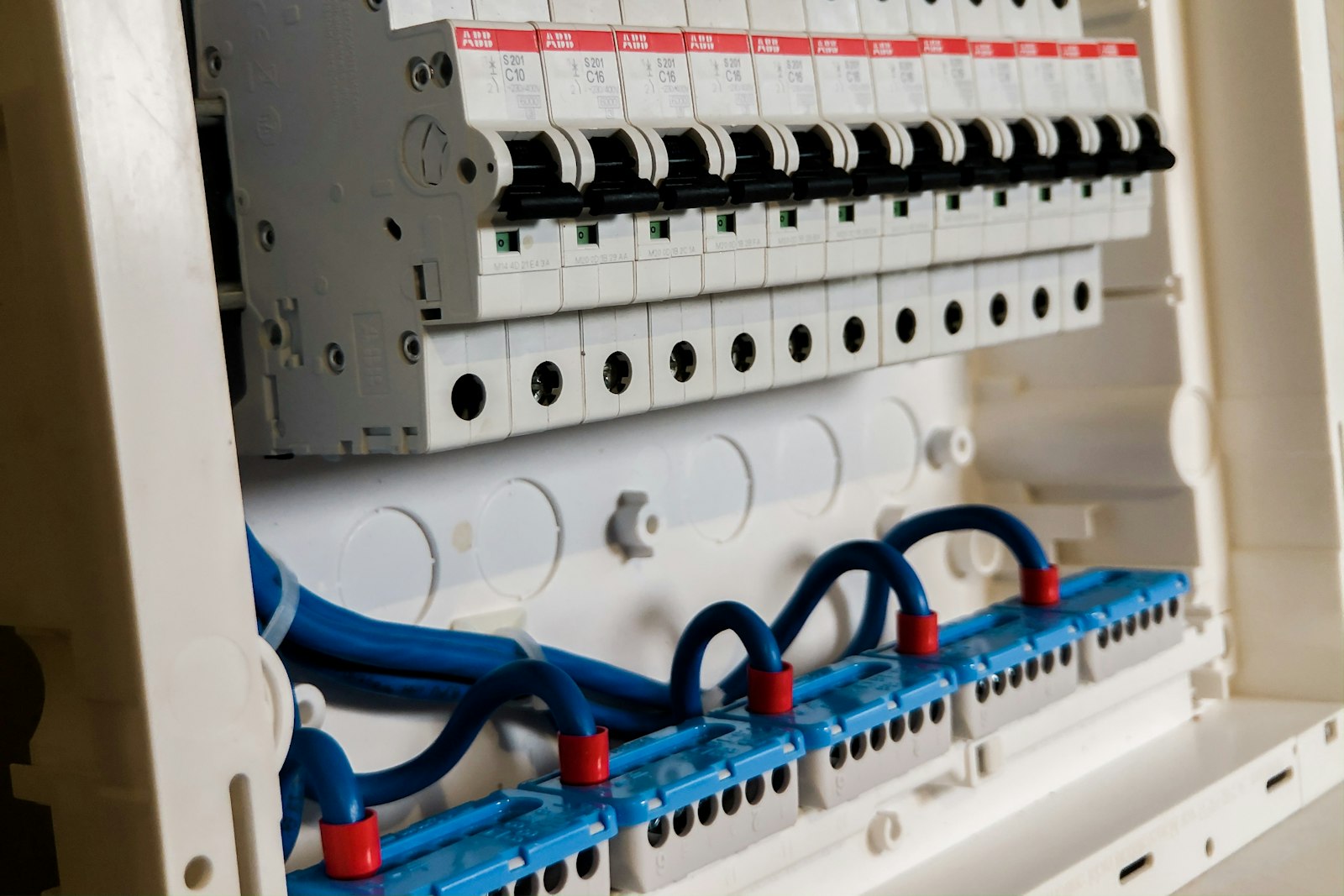
Old meters feed baselines and bill checks from day one
- Interval data
Monthly manual reads become interval data that weather-normalized baselines and twins can use.
- Bill validation
Metered use is compared against billed use, so supplier billing errors are caught before payment.
- Waste events
Out-of-hours use on any pulse meter is flagged as a waste event against its expected baseline.
Existing meters, before and after Aqueduct
- Pulse outputs sit unused on meters across the site.
- Adding a platform means replacing working meters.
- The BMS owns the only pulse wire on the meter.
- Meters are read monthly by someone with a clipboard.
- Bills are paid without comparing them to metered use.
 The Aqueduct way
- Pulse counters turn those outputs into live consumption.
- Existing meters stay, and only a counter is added.
- A pulse splitter shares the signal with Aqueduct.
- Interval data arrives automatically from every pulse meter.
- Metered use is checked against every bill.
Pulse devices and data points
| Device type | Data points |
|---|---|
| Pulse counter | Pulse count, converted into cumulative consumption and calculated rates such as electrical demand (kW), gas flow rate or water flow rate |
| Pulse splitter | Passive device that passes the pulse count to more than one system. No additional data points |
How a pulse becomes consumption
Meter pulses
Each pulse from the meter represents a fixed quantity, such as a set number of kWh, gallons or cubic feet.
Counter counts
The LoRaWAN pulse counter totals pulses and sends the count securely to the cloud.
Cloud converts
Aqueduct applies the meter's pulse constant to give cumulative consumption in the right unit.
Rate calculated
Change over time gives demand in kW, gas flow per hour or water flow.
Keep the BMS on the same meter
Many meters already send their pulse output to a building management system or energy management system. A pulse splitter shares that one output, so the existing system keeps receiving pulses while an Aqueduct pulse counter receives the same signal.
No meter is replaced and no legacy monitoring is interrupted. Aqueduct is added alongside what already works.
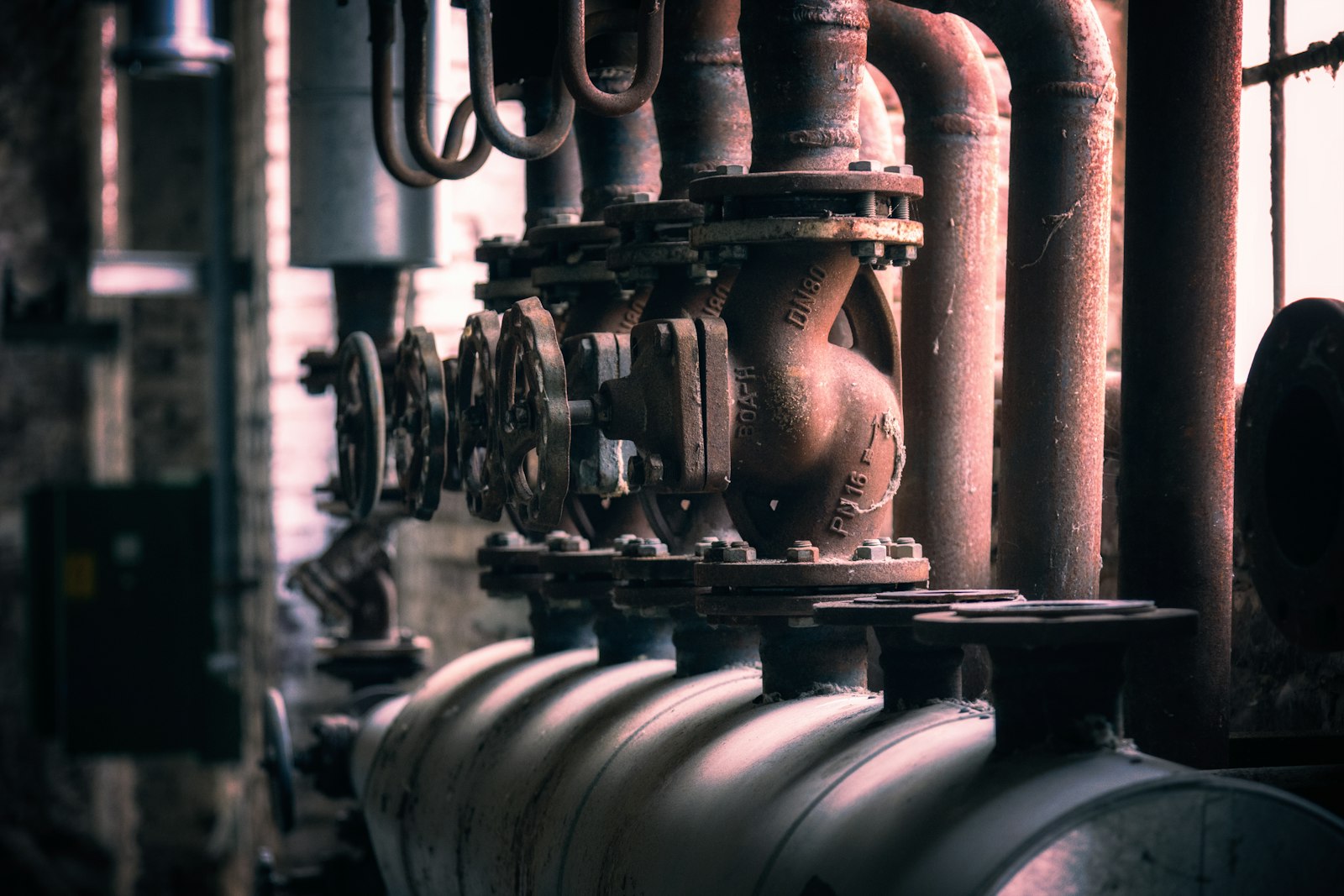
Protocols it speaks
A LoRaWAN pulse counter, chosen per site.
Meters a pulse counter can read
Where teams put it to work

Connect legacy meters in a single visit
Pulse counters attach to existing meters, and splitters keep the BMS connected, so a site starts reporting without new metering.
Learn more
Sub-meters that were installed and never read
Many buildings have tenant sub-meters with pulse outputs that nobody collects. Pulse counters bring them into tenant billing and baselines.
Learn more
Process meters feeding one water and energy view
Process water and electricity meters with pulse outputs report into one view, with waste events flagged by line.
Learn moreDevice agnostic, with leading manufacturers.
Exact make and model are selected per site. These are some of the manufacturers and standards Aqueduct works with.






sites in 21 countries run on Aqueduct.
and 9 clinics in one of India’s top hospital chains.
US airport running water intelligence on Aqueduct.
of commercial real estate under Aqueduct.
FMCG manufacturing campus.
operations run on Aqueduct.





Related
Common questions
It is a small device wired to a meter's pulse output that counts pulses and sends the total over LoRaWAN. Aqueduct converts the count into consumption and rate using the meter's pulse constant.
It is the fixed quantity each pulse represents, for example a set number of kWh, gallons or cubic feet. Aqueduct uses it to turn counts into cumulative consumption.
A passive device that shares one meter pulse output with more than one system. The existing BMS or EMS keeps its signal while an Aqueduct pulse counter receives the same pulses.
No. With a pulse splitter the existing BMS or EMS keeps receiving pulses, and no meter needs replacing.
Yes. Aqueduct calculates rates from the change in count over time, giving electrical demand in kW, gas flow rate or water flow rate.
Many electricity, gas and water meters do, including inline and ultrasonic water meters. Meters without one can be connected by Modbus or M-Bus bridge or read by camera.
See Aqueduct on your own facility.
Bring a site, a utility bill or a question. We will show you where the loss is.