LoRaWAN GPS asset trackers that show where equipment is and when it moves
A LoRaWAN asset tracker is a battery device attached to movable equipment that reports its position from GNSS satellites, or Wi-Fi where satellite signal is weak, along with motion, tilt and geofence alarms. Aqueduct places tracked assets on the same site model as meters and sensors, so teams can find shared equipment and see unauthorized movement.
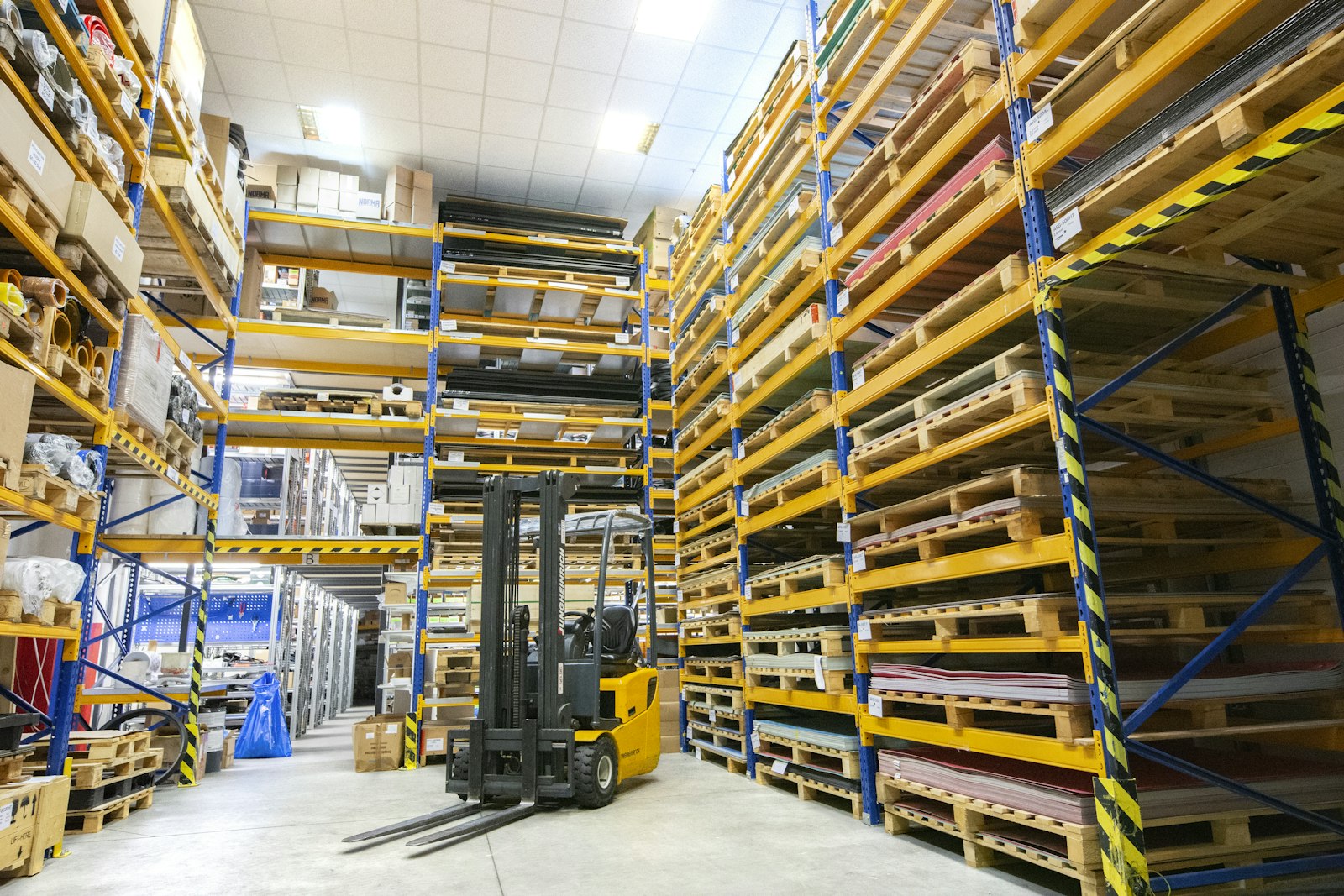
Know where shared equipment is, and know the moment it leaves.
Position reported from satellites, with Wi-Fi where needed
- GNSS outdoors
Satellite positioning gives latitude and longitude across yards, campuses and car parks.
- Wi-Fi fallback
Where satellite signal is weak, Wi-Fi or Bluetooth positioning supplements the fix and the mode is reported.
- On the site model
Each tracker is mapped to its asset, so location sits beside meters and sensors on the same site.
Motion, tilt and geofence alarms that mean something
- Motion and tilt
Built-in sensors report whether the asset moved or was tipped, not only where it ended up.
- Geofence alarms
Entry and exit alarms confirm equipment stays in its approved area and flag unexpected removal.
- Report on change
Trackers send on movement, on a schedule or on demand, which keeps batteries going for years.
Trackers that tell you when they need attention
- Battery level
Each tracker reports its battery, so replacements are planned rather than discovered.
- Connection rate
Device health shows how reliably each tracker is reaching the gateway or network.
- Temperature too
Trackers also report temperature, useful for equipment that must stay within a range.
Tracking equipment, before and after Aqueduct
- Staff search the site for a shared pump or cart.
- Missing equipment is noticed days after it left.
- Spreadsheets record where assets were supposed to be.
- Tracking runs in a separate app nobody checks.
- Dead tracker batteries are found when a search fails.
 The Aqueduct way
- The tracker shows the asset on the site model.
- Geofence exit alarms flag removal as it happens.
- Live positions replace where assets were supposed to be.
- Trackers sit beside meters and sensors in one platform.
- Battery level per tracker plans replacements ahead of time.
Asset tracker data points
Data points commonly available from trackers in this category.
| Device type | Data points |
|---|---|
| GNSS asset tracker | Latitude and longitude, positioning mode (GNSS or Wi-Fi), motion status and tilt, geofence entry and exit alarms, temperature, battery level |
How an asset tracker reports
Locate
The tracker fixes its position with GNSS outdoors, supplemented by Wi-Fi or Bluetooth positioning where satellite signals are weak.
Decide when to send
Built-in motion sensing lets it report on a schedule, on movement or on demand, which stretches battery life.
Transmit
Position and status travel over LoRaWAN or cellular networks to the Aqueduct cloud over a secure connection.
Place on the site
Aqueduct maps the tracker to its asset and shows it against the site, with geofence alarms for approved areas.
What facilities use trackers for
Find shared equipment
Locate carts, pumps, portable units and tools shared across a large site or campus.
Detect removal
Movement or a geofence exit outside working hours raises an alarm.
Keep assets in bounds
Confirm that equipment stays inside its approved area.
What counts as an asset tracker
An asset tracker moves with the thing it tracks. Some fixed devices, such as certain cellular level sensors, carry a GNSS receiver only to record where they were installed. Those are not asset trackers, and Aqueduct treats them as fixed sensors on the site model.
Features this hardware supports
Where teams put it to work
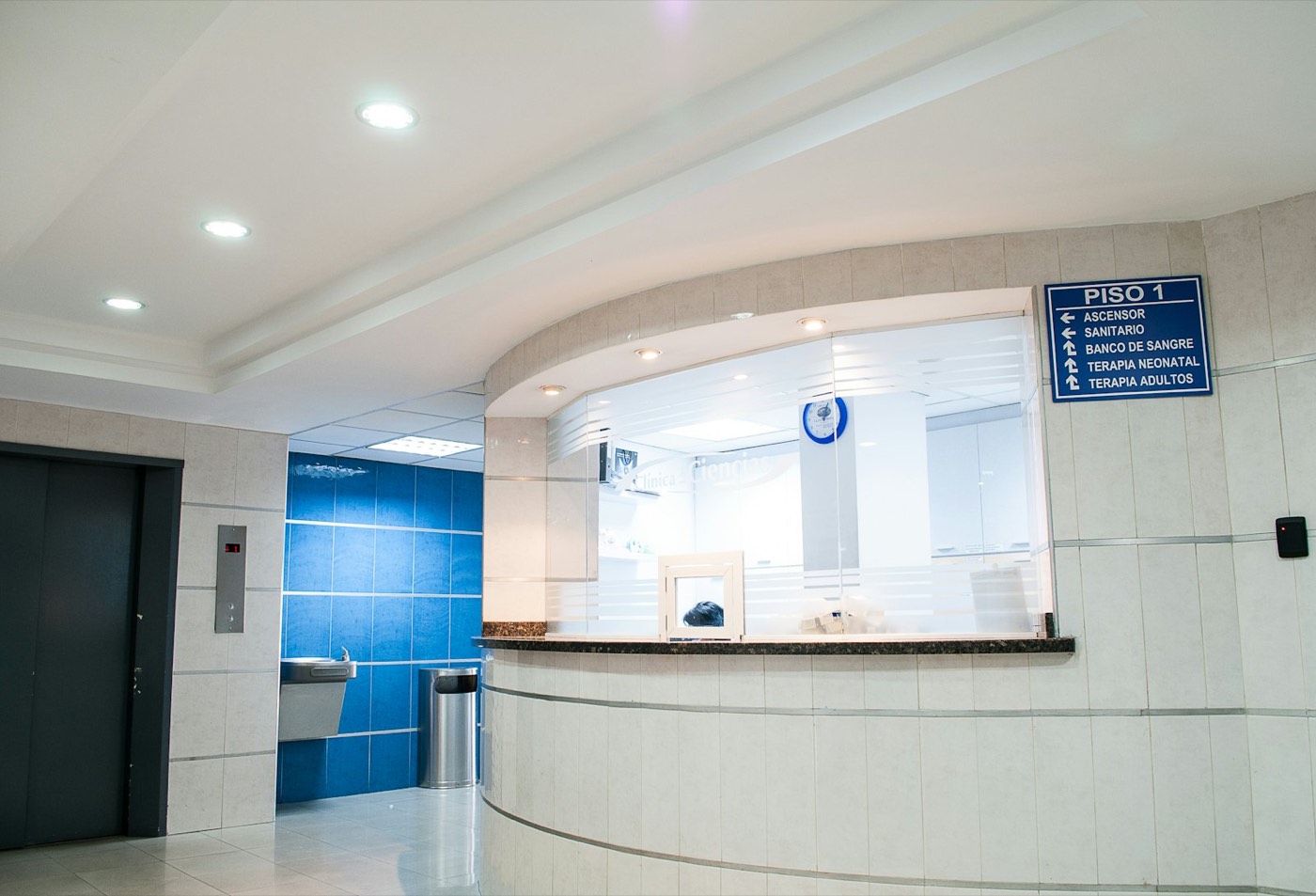
Find shared equipment across a large campus
Trackers on shared carts and portable equipment cut the time staff spend searching corridors and storerooms between wards.
Learn more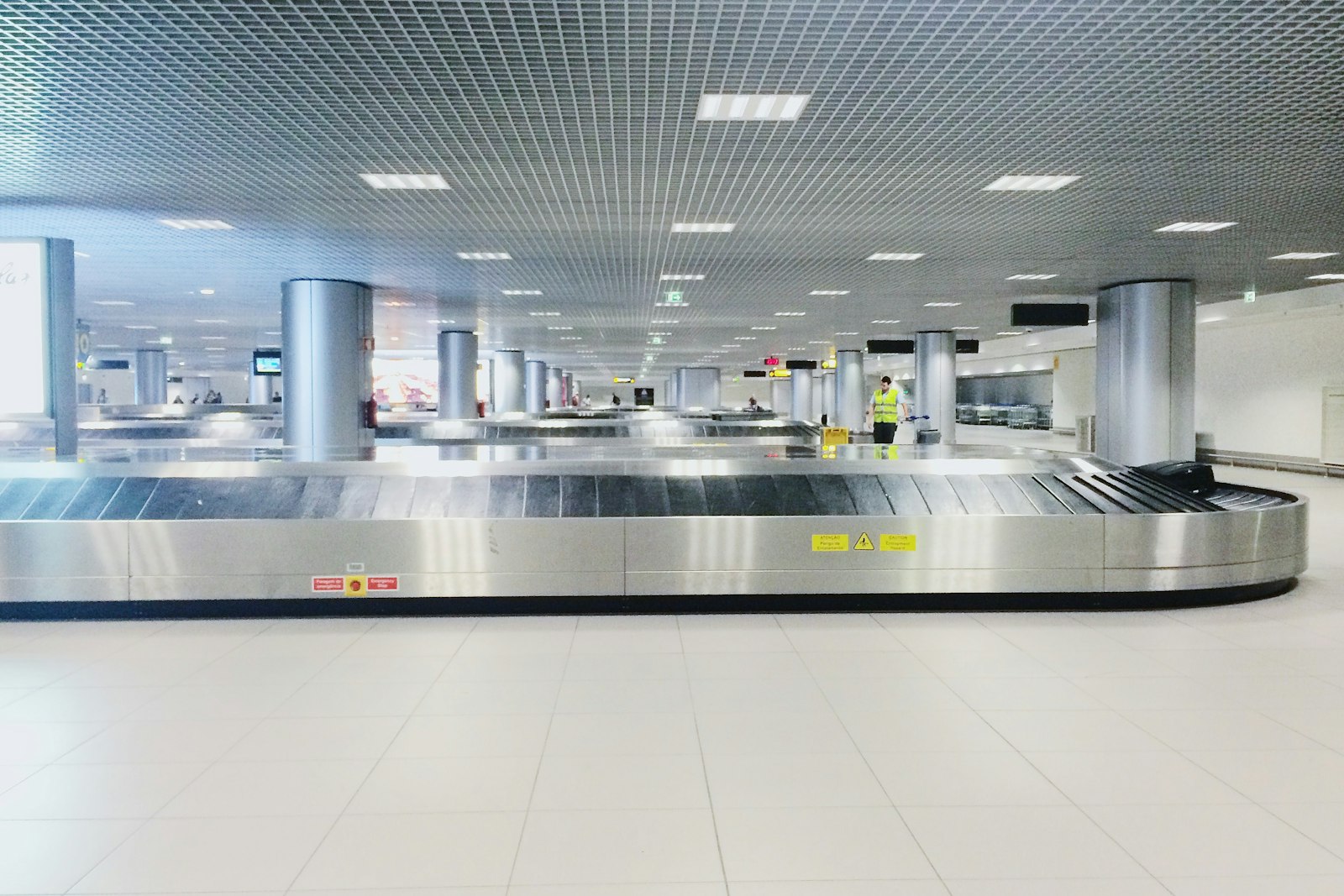
Keep ground equipment inside approved areas
Geofence alarms show when portable equipment leaves its zone, and motion events show when it was moved and by how much.
Learn more
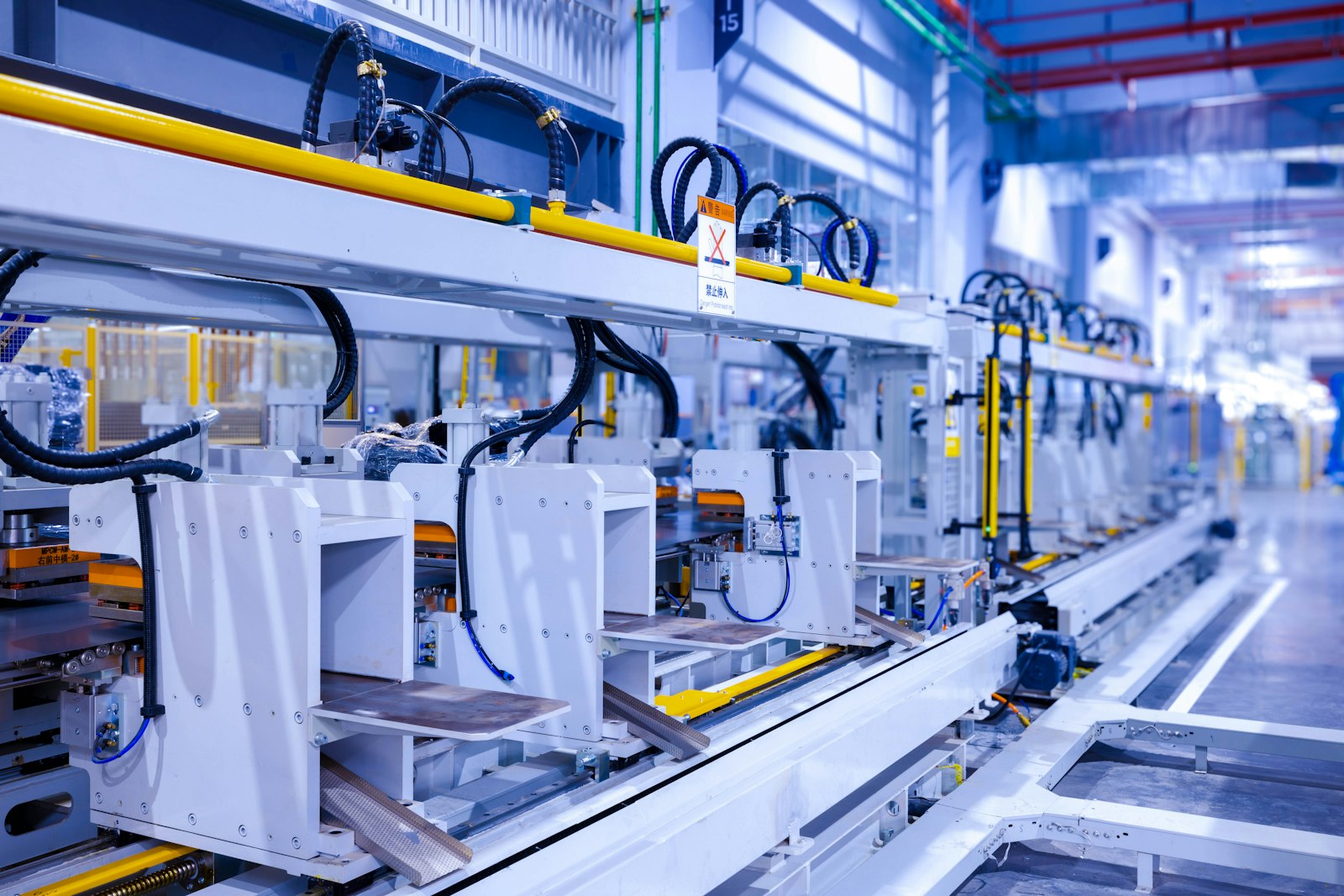
Locate portable pumps and tools on large sites
Yards and plant floors spread equipment widely. Trackers report position and movement so crews go straight to it.
Learn moreDevice agnostic, with leading manufacturers.
Exact make and model are selected per site. These are some of the manufacturers and standards Aqueduct works with.





sites in 21 countries run on Aqueduct.
and 9 clinics in one of India’s top hospital chains.
US airport running water intelligence on Aqueduct.
of commercial real estate under Aqueduct.
FMCG manufacturing campus.
operations run on Aqueduct.





Related
Common questions
It is a battery device fixed to movable equipment that reports location, motion and status over LoRaWAN. Aqueduct reads it alongside the meters and sensors on the same site.
GNSS works best outdoors. Where satellite signals are weak, trackers supplement it with Wi-Fi or Bluetooth positioning, and report which mode produced the fix.
Motion sensing lets a tracker report only on a schedule, on movement or on demand, so battery life can stretch to many years depending on settings and use. Aqueduct shows battery level per device.
Yes. Trackers raise geofence entry and exit alarms, and Aqueduct surfaces them by site so teams can respond to unauthorized movement.
Not always. Trackers can report over LoRaWAN through an Aqueduct gateway, or over cellular networks where LoRaWAN coverage is not available.
Shared or high-value movable equipment such as portable pumps, carts, tools and containers, especially on large sites where search time is high or removal is a risk.
See Aqueduct on your own facility.
Bring a site, a utility bill or a question. We will show you where the loss is.