Courthouse energy management for county civic buildings, libraries and offices
Courthouse energy management means running HVAC and lighting to the court calendar and public hours, holding courtroom comfort, and benchmarking each building against its own baseline. Aqueduct does that for courthouses, administration buildings and libraries: weather normalized baselines, schedules checked against real occupancy, faults routed to your crew, and benchmarking data ready for ENERGY STAR Portfolio Manager.

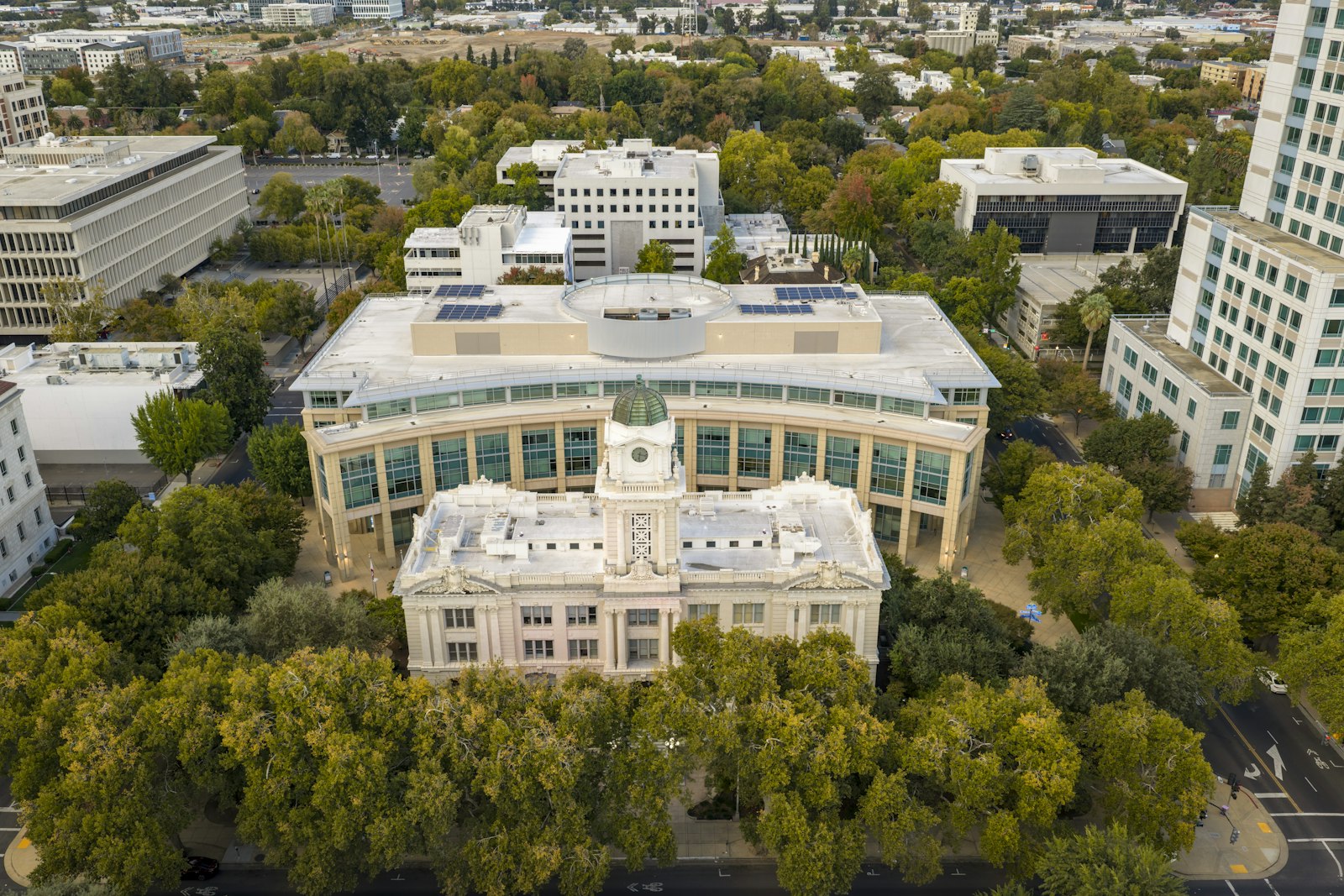
Civic buildings run to the public calendar, with every saving measured before it is reported.
HVAC that follows the docket and the opening hours
- Occupancy by zone
Courtrooms, chambers and reading rooms report occupancy from sensors or from defined schedules.
- Run time compared
HVAC run time is compared with occupancy, so conditioning of empty rooms shows up by zone.
- Schedules corrected
Your crew corrects schedules, or Aqueduct does where control is enabled, with owner approval.

Courtrooms and libraries held to target while people are there
- Comfort by zone
Temperature and humidity per zone are tracked against target while rooms are occupied.
- CO2 and occupancy
CO2 overlaid with occupancy shows where ventilation is short during sessions and events.
- Plain language advice
Recommendations name the cause and the action, such as checking an economizer or raising outdoor air.
Monthly use per building, measured and ready to submit
- Monthly per building
Energy and water use per building and meter are kept month by month, with gaps stated.
- Weather normalized
Baselines adjust for cooling and heating degree days, so years can be compared fairly.
- Verified savings
Each change is verified against the adjusted baseline before it is reported to the board.

County civic buildings, before and after Aqueduct
- Courtrooms are conditioned on fixed hours, in session or not.
- After-hours load runs on long after the building empties.
- A judge or patron is the comfort sensor.
- Benchmarking is compiled from bills at the deadline.
- Savings are estimated in the project proposal and never checked.
 The Aqueduct way
- HVAC run time is checked against real occupancy by zone.
- After-hours load is compared with a weather normalized baseline.
- Comfort is tracked per zone while rooms are in use.
- Monthly use per building is ready before the deadline.
- Savings are verified at the meter against the adjusted baseline.
Civic buildings, each on its own schedule
Each building gets a baseline and a schedule that fit how it is actually used.
Courthouses and justice centers
Courtrooms that fill and empty with the docket, holding cells, jury rooms and long public hours.
Administration buildings
Office hours, council chambers used a few evenings a month, and server rooms that never stop.
Libraries
Public hours, evening programs and rooms that fill unpredictably, with air quality while people are there.
Community and senior centers
Variable bookings and events, with comfort held for the people who use them.
Where civic buildings waste energy
Civic buildings follow public calendars. Their HVAC schedules usually follow whatever was set at commissioning.
Schedules that ignore the calendar
Courtrooms and council chambers are conditioned on fixed hours, not on when they are actually in session.
After-hours load
Air handlers, lighting and plug loads keep running after the building empties.
Comfort complaints as the sensor
A hot courtroom or a cold library is reported by a judge or a patron, not by the system.
Benchmarking at the deadline
Annual benchmarking is assembled from bills when the deadline arrives, with no view of what changed.

Public buildings should be run as carefully as the public money behind them.
Talk to our teamHow Aqueduct runs a civic building
Monitor, Measure, Identify, Act, Verify, building by building.
Connect
Utility meters, BMS points and air quality sensors report into Aqueduct. Gaps are filled through installation partners.
Baseline
Upload 6 to 12 months of bills for a weather normalized baseline per building on day one.
Check schedules against use
Occupancy from sensors or schedules is compared with HVAC run time, so conditioning of empty rooms shows up.
Act
Schedules are corrected, by your crew or, where control is enabled with owner approval, by Aqueduct. Faults go to your CMMS.
Verify and report
Savings are measured against the adjusted baseline, and monthly use per building is ready for benchmarking.
Benchmarking and reporting, from the same data
Aqueduct supplies measured data. Your team submits. Check the current local rule.
| Need | What it asks for | What Aqueduct supplies |
|---|---|---|
| ENERGY STAR Portfolio Manager | Monthly energy and water use per building | Monthly use per meter and building, ready to enter or export |
| State or local benchmarking ordinances | Annual energy use reported per covered building | Annual totals per building with coverage and gaps stated |
| County climate or energy plans | Progress against a baseline | Weather normalized baselines and verified savings per building |
| Grant and funding reports | Measured before and after results | Verified results with the method behind them |
Where teams put it to work
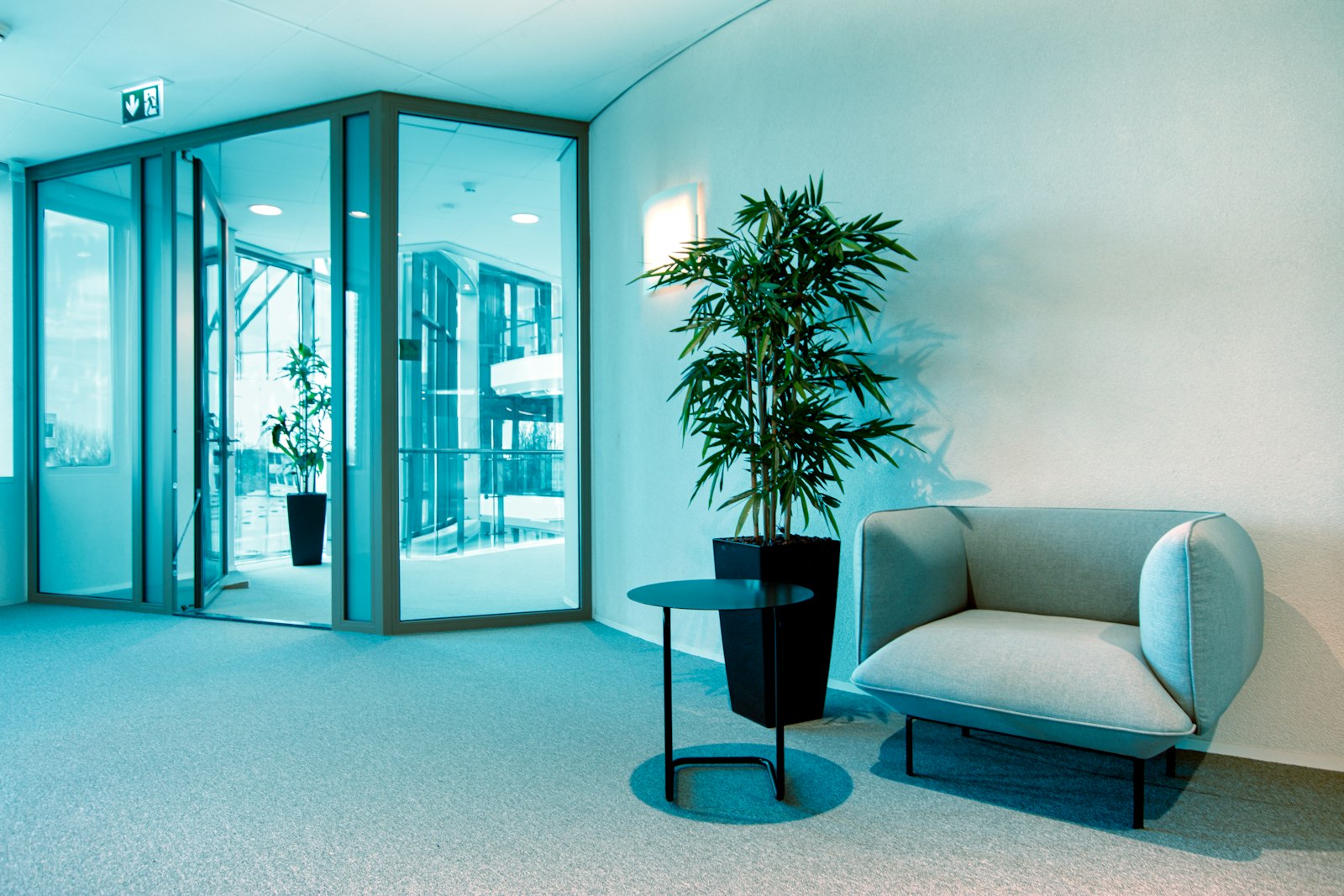
Conditioning that follows the docket
Courtroom HVAC is compared with sessions and occupancy, so rooms are conditioned when court sits and set back when it does not.
Learn more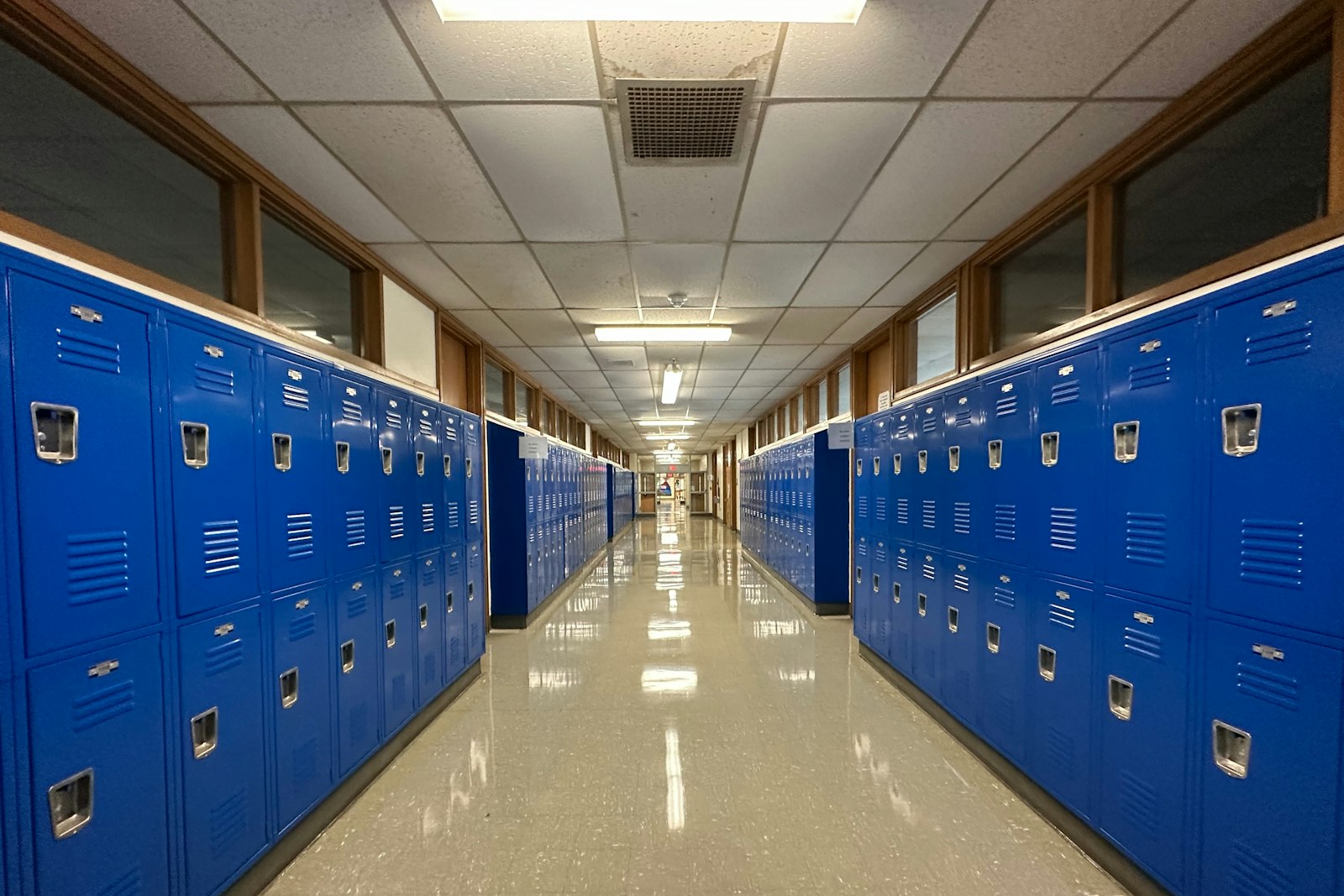
Comfort and air during public hours
Reading rooms and meeting spaces are held to comfort and CO2 targets while patrons are in, without conditioning empty rooms after hours.
Learn more
Portfolio Manager data without the scramble
Monthly use per building is measured and ready to enter or export, so annual benchmarking stops being a deadline exercise.
Learn moreRelated
Common questions
Match HVAC and lighting schedules to the court calendar and public hours, hold comfort in occupied courtrooms, and fix drifting plant. Aqueduct baselines each courthouse against weather, compares run time with real occupancy and verifies every saving at the meter.
Benchmarking compares a building's annual energy and water use with its own history and with similar buildings, often through ENERGY STAR Portfolio Manager. Many states and cities require it for public buildings. Aqueduct supplies the monthly measured use per building.
No. Aqueduct supplies measured monthly use per building, ready to enter or export into ENERGY STAR Portfolio Manager. Your team submits the report under the local rule.
Yes. Aqueduct tracks temperature, humidity and CO2 per zone against occupancy, and flags rooms out of range while they are in use. Where control is enabled, with owner approval, setpoints and schedules follow occupancy.
No. You can keep your BMS and let Aqueduct read it, replace it where controls have aged out, or build Aqueduct into a new building at design stage. The choice is made building by building.
With 6 to 12 months of utility bills uploaded, Aqueduct builds a weather normalized baseline per building on day one. Live telemetry then refreshes every 60 seconds once meters and points are connected.
Yes. Every county building sits on one portfolio with its own baseline, so libraries, community centers and offices are compared on intensity rather than size.
See Aqueduct on your own facility.
Bring a site, a utility bill or a question. We will show you where the loss is.