

Recharge, chiller plant and water intelligence for a 20M+ sq ft developer
This engagement brings a Grade-A office building from a commercial real estate developer with 20M+ sq ft onto Aqueduct. It is designed to reconcile every floor's recharge to the utility bill, measure chiller plant efficiency from its own electrical input, and build a water balance from source to reuse. Electricity and cooling are read from the existing BMS with no new meters.
A commercial real estate developer with 20M+ sq ft under Aqueduct pays one utility bill for a building full of tenants. Meter data sat in the building management system, while the bill and the tariff sat outside it, so no one could say whether every unit paid for was recharged to a tenant, assigned to common areas, or simply unaccounted for.
The chiller plant was the owner's largest cost of its own, yet the BMS network carried plant status, not chiller power, so no one could say what a ton of cooling cost. Billed demand was set above the highest demand the building drew in 14 months. Water quality was not measured on site, tanker water was bought by routine rather than measured need, and the shared spaces the owner runs had never had their air measured.
The engagement starts with one network port. An aQ node joins the switch the BMS already uses and reads electricity and cooling from what the building already publishes. It reads and never writes, and no new electrical meter is needed. Hardware goes only where the building is blind: new water outlet meters and levels across 10 tanks, a make up water quality point for the cooling towers, and indoor air in 7 shared spaces, including the lobby, canteen and washrooms.
aQ EnergySmart reconciles every floor to the utility bill each month and profiles demand and time of day for both blocks. Plant efficiency is measured in kW per ton from the plant's own electrical input and BTU metering, so a low chilled water delta T can be traced to the air handler and scale seen as it builds. aQ WaterGuard holds a water balance from source to reuse and logs every tanker load. Aqueduct recommends plant strategies, and the owner's team carries them out through the existing plant manager and BMS.
Every estimate is held to the building's own numbers. 14 months of electricity, water and tanker bills are reconciled into the baseline, five owner answers turn estimates into facts, and a 90 day review checks every lever against the bills, with unverified levers counted as zero. A future phase, scoped separately, would add floor level water sub-metering, occupancy analytics and supervisory HVAC control where control is enabled, with owner approval, and the template is designed to extend across the 20M+ sq ft portfolio.
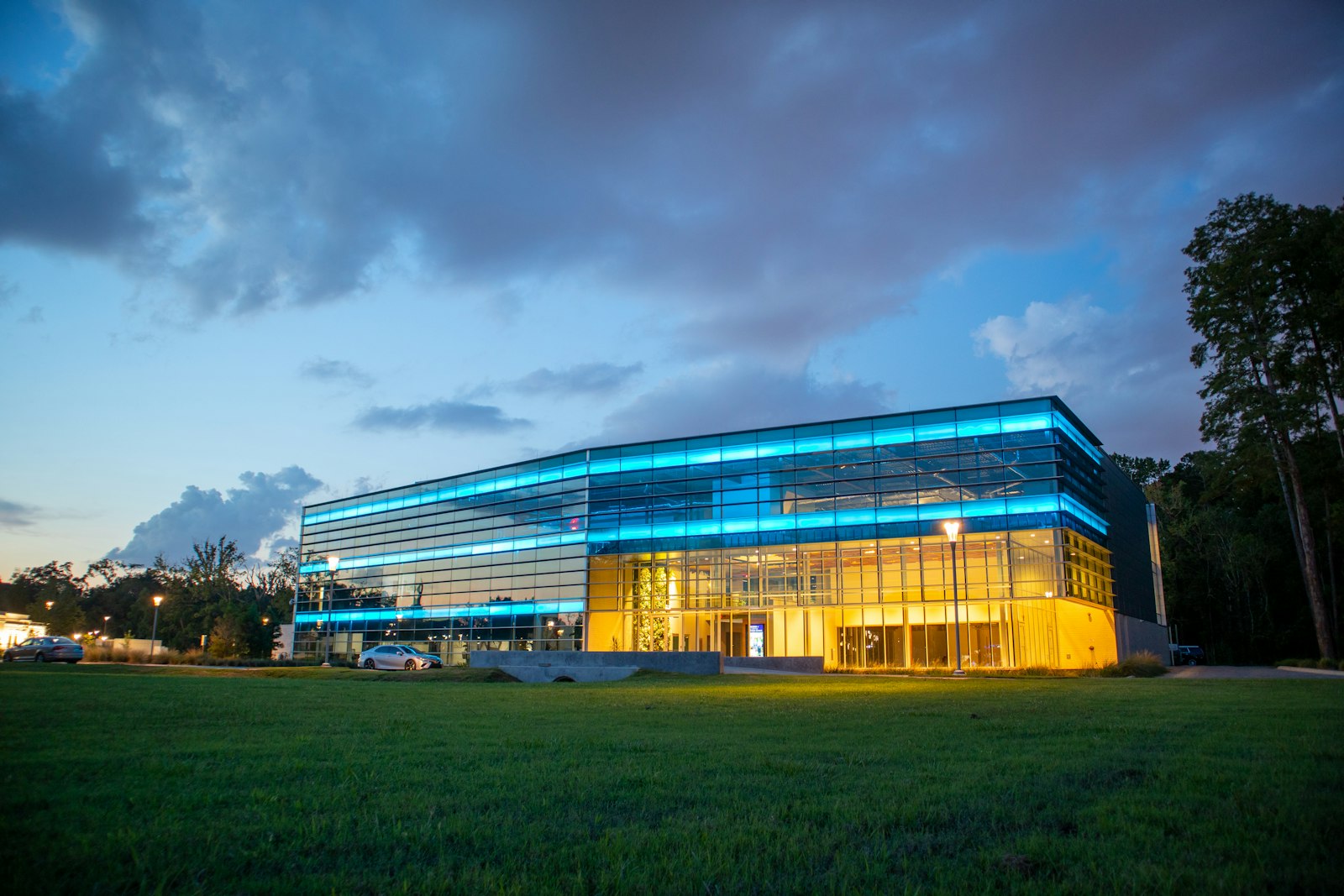



One bill, many tenants
The owner pays one utility bill for two blocks of tenant floors, common areas and a central chiller plant.
One port on the BMS switch
An aQ node reads electricity and cooling from what the building already publishes. It never writes.
Every floor against the bill
aQ EnergySmart reconciles floor recharge to the utility bill, so each unit paid for is recharged, assigned or named.
What a ton of cooling costs
Plant efficiency comes from the plant's own electrical input and BTU metering, and low delta T is traced to the air handler.
Strategy through the plant manager
Aqueduct recommends plant strategies. The owner's team carries them out through the existing plant manager and BMS.
Checked against the bills
A 90 day review tests every lever against the building's own bills, before and after each change.
How it works at A commercial real estate developer with 20M+ sq ft under Aqueduct.
One utility bill for a building full of tenants
The developer pays one utility bill for a building full of tenants. Meter data sat in the building management system, while the bill and the tariff sat outside it, so no one could say whether every unit paid for was recharged to a tenant.
The chiller plant was the owner's largest cost of its own, but the BMS network carried plant status, not chiller power. Water quality was not measured on site, and tanker water was bought by routine rather than by measured need.
- Floor recharge never reconciled against the bill
- No owner view of what a ton of cooling costs
- Billed demand set above the highest demand drawn in 14 months
- Tanker loads bought without measured quality
- Shared space air never measured
Owner level intelligence beside the BMS and plant manager
One aQ node on the network switch the BMS already uses reads electricity and cooling from what the building already publishes. It reads and never writes, and no new electrical meters are needed.
Hardware goes only where the building is blind: new water outlet meters and tank levels, a make up water quality point for the cooling towers, and indoor air in the lobby, canteen and washrooms. Aqueduct recommends plant strategies, which are carried out through the existing plant manager and BMS.
- 01
One network port
The aQ node joins the BMS network switch and reads each converter's object list from the walk down.
- 02
Walk down and water
Isolation windows are set for new water positions and the make up sample point, then meters and probes are fitted.
- 03
Five owner answers
Contract demand, how the recharge is produced, the common area basis, the make up water spec and how tankers are called turn estimates into the building's own numbers.
- 04
Measured baseline
14 months of bills are reconciled and a measured baseline is built from live data.
- 05
90 day review
Every lever is reviewed against the bills, with unverified levers counted as zero.
| Layer | What the scope delivers |
|---|---|
| Electricity | Every floor reconciled to the utility bill each month, read from existing BMS meters |
| Demand | Demand and time of day profile for both blocks, against the contracted demand |
| Chiller plant | Plant efficiency in kW per ton from its own electrical input and BTU metering |
| Water | A water balance from source to reuse, with ten tank levels and every tanker load logged |
| Make up quality | TDS and pH of the water the cooling towers actually receive |
| Indoor air | Air measured in seven shared spaces the owner runs |
| Boundary | Read only. Nothing is written to the BMS, converters or the plant manager |
Expected outcomes
The program targets a monthly recharge that closes against the bill, a chiller plant whose efficiency is measured rather than assumed, and water bought, reused and discharged on evidence. Every estimate is confirmed in a 90 day review against the building's own bills.
- Every unit paid for either recharged, assigned to common areas or named
- Plant optimization confirmed on the bill, before and after each change
- Low chilled water delta T traced to the air handler, and scale seen as it builds
- Night flow, overflows and leaks found at the outlets and tanks
- Tankers called on measured quality, not routine
A future phase is scoped separately: floor level water sub-metering, water quality at every treatment stage, occupancy analytics, supervisory HVAC control and every other building system on one alarm and work order view. Control would run where control is enabled, with owner approval, and the template is designed to extend across the 20M+ sq ft portfolio.
From the field to a verified result.
What changed on site.
- Floor recharge never reconciled against the bill
- No owner view of what a ton of cooling costs
- Tanker loads bought by routine, quality unmeasured
- Shared space air never measured
- Every floor reconciled to the utility bill each month
- Plant efficiency measured in kW per ton
- Every tanker load logged against measured quality
- Indoor air measured in 7 shared spaces
- In a multi-tenant building, the owner's question is whether every unit paid for is recovered, and that needs the bill and the meters on one record.
- Reading from one network port, with nothing written back, adds an owner level view without disturbing the BMS or the plant manager.
- Counting unverified levers as zero keeps the business case tied to the building's own bills.
 Logistics and corporate real estate
Water stewardship across Amazon's sites, measured in real time
 Aviation
A top 25 US airport live on Aqueduct in two weeks, with a major leak found at once
 Healthcare
Utility and critical room intelligence for one of India's top hospital chains
Common questions
Aqueduct reconciles every floor's metered use against the utility bill each month. Every unit the landlord pays for is either recharged to a tenant, assigned to common areas or named as a gap.
Not in this engagement. Electricity and cooling are read from what the existing BMS already publishes through one aQ node, and new hardware goes only on water, make up water quality and shared space air.
Yes. Aqueduct computes plant efficiency in kW per ton from the plant's own electrical input and BTU metering, alongside the existing plant manager. Recommended strategies are carried out through the plant manager and BMS.
In this engagement it does not. The aQ node reads and never writes. Supervisory control is scoped as a future phase, where control is enabled, with owner approval.
Fourteen months of electricity, water and tanker bills are reconciled first. A measured baseline follows, and every lever is reviewed against the bills in a 90 day review, with anything unverified counted as zero.
See Aqueduct on your own facility.
Bring a site, a utility bill or a question. We will show you where the loss is.